


Air Keeper™ KC-390: Multi-Function ISTAR and Electronic Warfare Mission Aircraft
Elbit Systems has recently presented the capabilities of the ISR/SIGINT configuration of the C-390 aircraft to senior staff officers from the Hellenic Air Force General Staff (HAFGS), Hellenic Tactical Air Force Command (HTAFC) and Hellenic Air Force Support Command (HAFSC).
Elbit Systems’ Air Keeper™ KC-390 introduces a multi-function, multi-mission approach to airborne intelligence and electronic warfare, combining advanced Intelligence, Surveillance, Target Acquisition and Reconnaissance (ISTAR) capabilities with Electronic Warfare (EW) and the operational flexibility of a military transport aircraft.
Developed by Elbit Systems’ Elisra division in collaboration with Embraer and based on the proven KC-390 platform, Air Keeper integrates intelligence collection, SIGINT, Electronic Support, Electronic Attack and advanced mission-management capabilities within a single aircraft. The concept is designed to provide armed forces with the capabilities traditionally associated with dedicated special-mission aircraft while allowing greater utilization of an existing transport fleet.
A key feature of the solution is its Roll-On/Roll-Off architecture, which enables operators to adapt the aircraft rapidly between transport and special-mission configurations. This approach allows a common aircraft fleet to undertake a broader range of operational missions, potentially reducing the requirement for separate specialized platforms and lowering acquisition, training, maintenance and lifecycle costs.
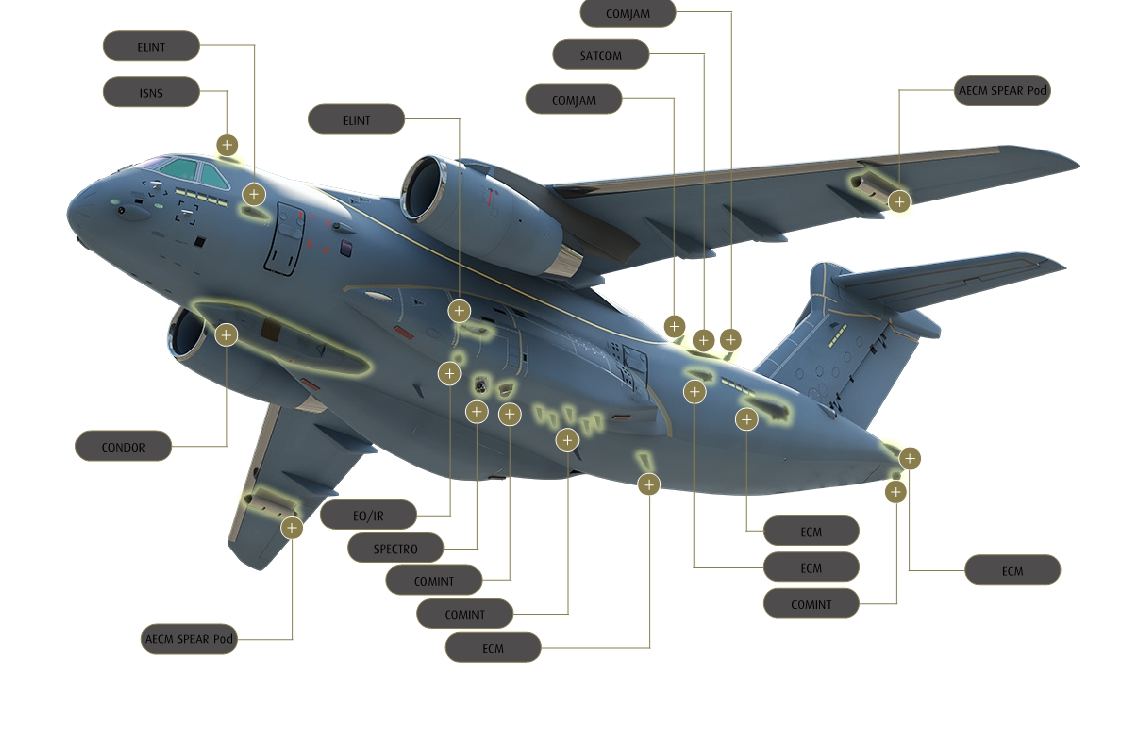
Air Keeper brings intelligence gathering and electronic warfare functions together within a unified airborne architecture. Its mission capabilities include ISTAR, Electronic Intelligence (ELINT), Communications Intelligence (COMINT), Electronic Support Measures (ESM), Electronic Countermeasures (ECM), Communications Jamming (COMJAM), airborne electronic attack, EO/IR intelligence collection and SATCOM connectivity.
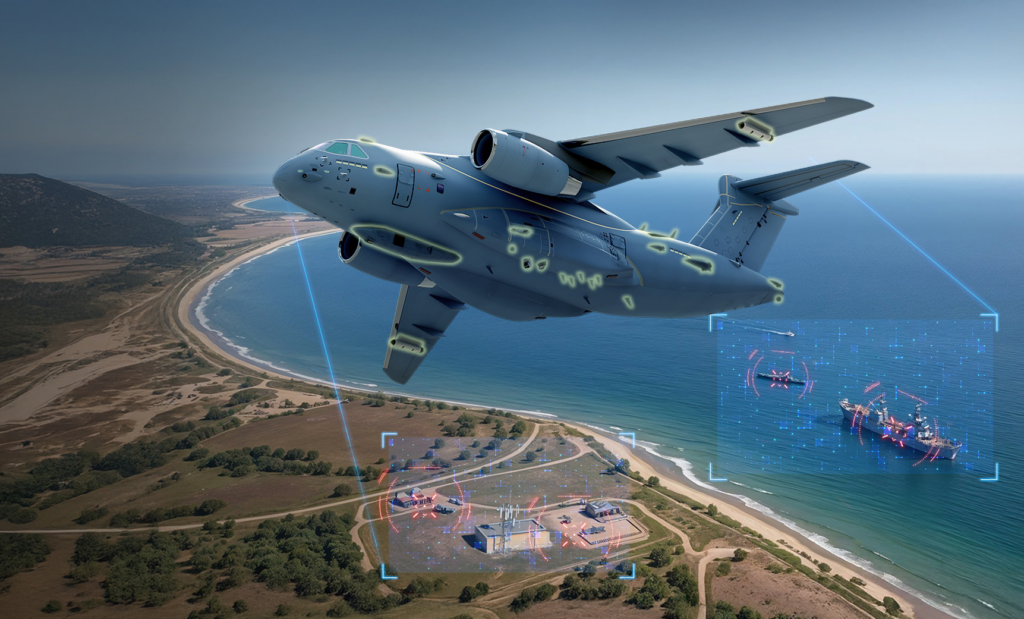
The combination provides commanders with the ability not only to detect, identify and monitor potential threats but also to conduct electronic attack missions from the same airborne platform.
This represents an important distinction from traditional intelligence and surveillance aircraft, which are primarily designed to collect and distribute information. By incorporating electronic attack capabilities alongside ISR and SIGINT functions, Air Keeper can potentially reduce dependence on multiple specialized supporting aircraft during complex operations.
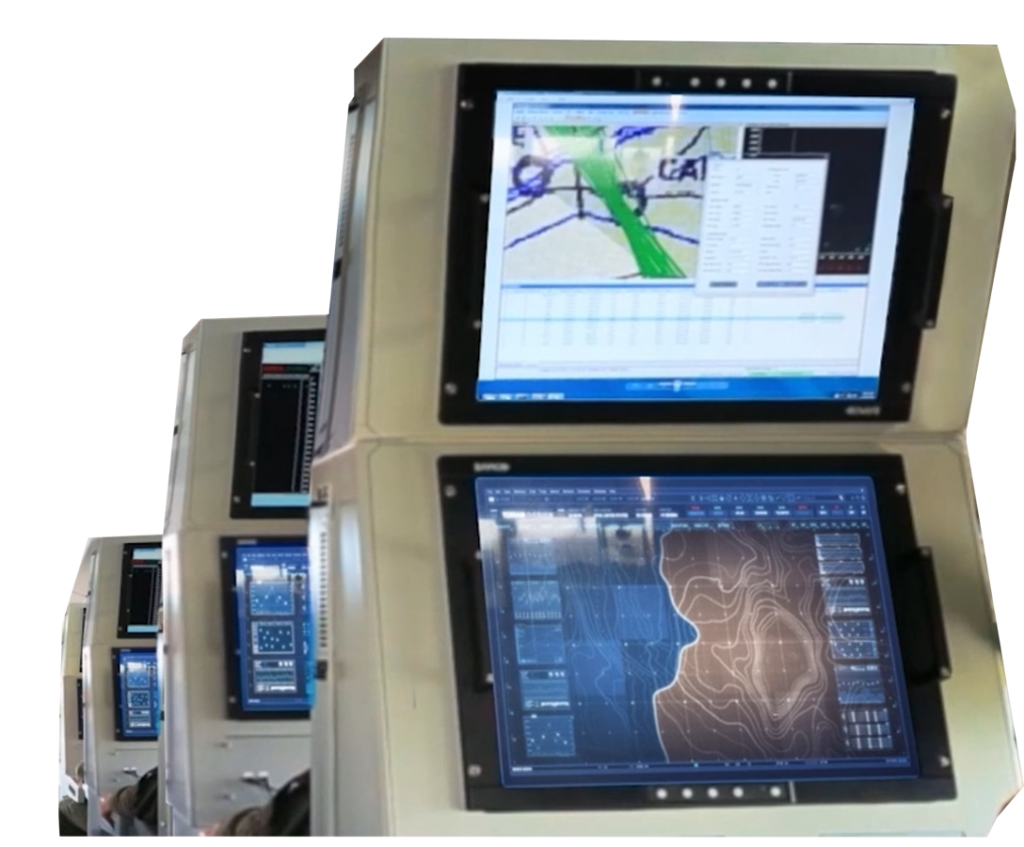
Supporting the aircraft’s sensors and electronic warfare systems is a comprehensive mission-management ecosystem covering the complete operational cycle.
During mission planning, AI-assisted tools can support operators in preparing and optimizing missions according to operational requirements and the expected threat environment.
During mission execution, crews can operate through line-of-sight communications and SATCOM connectivity, while the system is also designed to support operations in communications-constrained environments.
Following a mission, collected intelligence and operational data can be processed through post-mission analysis tools, enabling commanders and intelligence specialists to assess results and incorporate lessons into future operational planning.
The Air Keeper concept also incorporates an integrated training and simulation environment. Operators can rehearse missions, develop tactics and certify personnel without requiring continuous access to the aircraft, flight crews or other operational resources.
The principal advantage of Air Keeper is its ability to combine capabilities that would traditionally require several specialized platforms. A KC-390 configured for Air Keeper missions can support intelligence collection, surveillance, SIGINT, electronic support and electronic attack operations while retaining the underlying flexibility of a modern transport aircraft.
By combining transport, ISTAR and Electronic Warfare capabilities in a common platform, Air Keeper™ KC-390 offers military operators a flexible approach to special-mission aviation, designed to increase fleet utilization while providing advanced intelligence and electronic warfare capabilities for increasingly complex operational environments.
Elbit Systems has recently presented the capabilities of the ISR/SIGINT configuration of the C-390 aircraft to senior staff officers from the Hellenic Air Force General Staff (HAFGS), Hellenic Tactical Air Force Command (HTAFC) and Hellenic Air Force Support Command (HAFSC).
Elbit Systems’ Air Keeper™ KC-390 introduces a multi-function, multi-mission approach to airborne intelligence and electronic warfare, combining advanced Intelligence, Surveillance, Target Acquisition and Reconnaissance (ISTAR) capabilities with Electronic Warfare (EW) and the operational flexibility of a military transport aircraft.
Developed by Elbit Systems’ Elisra division in collaboration with Embraer and based on the proven KC-390 platform, Air Keeper integrates intelligence collection, SIGINT, Electronic Support, Electronic Attack and advanced mission-management capabilities within a single aircraft. The concept is designed to provide armed forces with the capabilities traditionally associated with dedicated special-mission aircraft while allowing greater utilization of an existing transport fleet.
A key feature of the solution is its Roll-On/Roll-Off architecture, which enables operators to adapt the aircraft rapidly between transport and special-mission configurations. This approach allows a common aircraft fleet to undertake a broader range of operational missions, potentially reducing the requirement for separate specialized platforms and lowering acquisition, training, maintenance and lifecycle costs.
Air Keeper brings intelligence gathering and electronic warfare functions together within a unified airborne architecture. Its mission capabilities include ISTAR, Electronic Intelligence (ELINT), Communications Intelligence (COMINT), Electronic Support Measures (ESM), Electronic Countermeasures (ECM), Communications Jamming (COMJAM), airborne electronic attack, EO/IR intelligence collection and SATCOM connectivity.
The combination provides commanders with the ability not only to detect, identify and monitor potential threats but also to conduct electronic attack missions from the same airborne platform.
This represents an important distinction from traditional intelligence and surveillance aircraft, which are primarily designed to collect and distribute information. By incorporating electronic attack capabilities alongside ISR and SIGINT functions, Air Keeper can potentially reduce dependence on multiple specialized supporting aircraft during complex operations.
Supporting the aircraft’s sensors and electronic warfare systems is a comprehensive mission-management ecosystem covering the complete operational cycle.
During mission planning, AI-assisted tools can support operators in preparing and optimizing missions according to operational requirements and the expected threat environment.
During mission execution, crews can operate through line-of-sight communications and SATCOM connectivity, while the system is also designed to support operations in communications-constrained environments.
Following a mission, collected intelligence and operational data can be processed through post-mission analysis tools, enabling commanders and intelligence specialists to assess results and incorporate lessons into future operational planning.
The Air Keeper concept also incorporates an integrated training and simulation environment. Operators can rehearse missions, develop tactics and certify personnel without requiring continuous access to the aircraft, flight crews or other operational resources.
The principal advantage of Air Keeper is its ability to combine capabilities that would traditionally require several specialized platforms. A KC-390 configured for Air Keeper missions can support intelligence collection, surveillance, SIGINT, electronic support and electronic attack operations while retaining the underlying flexibility of a modern transport aircraft.
By combining transport, ISTAR and Electronic Warfare capabilities in a common platform, Air Keeper™ KC-390 offers military operators a flexible approach to special-mission aviation, designed to increase fleet utilization while providing advanced intelligence and electronic warfare capabilities for increasingly complex operational environments.
 English
  Greek
Greek