


UK Deploys Low-Cost Anti-Drone Capability on RAF Typhoons in the Middle East
The United Kingdom has deployed a new low-cost anti-drone weapon system on Royal Air Force Typhoon fighter aircraft operating in the Middle East, in a move designed to strengthen the protection of British citizens, UK interests and regional partners against the growing threat posed by unmanned aerial systems.
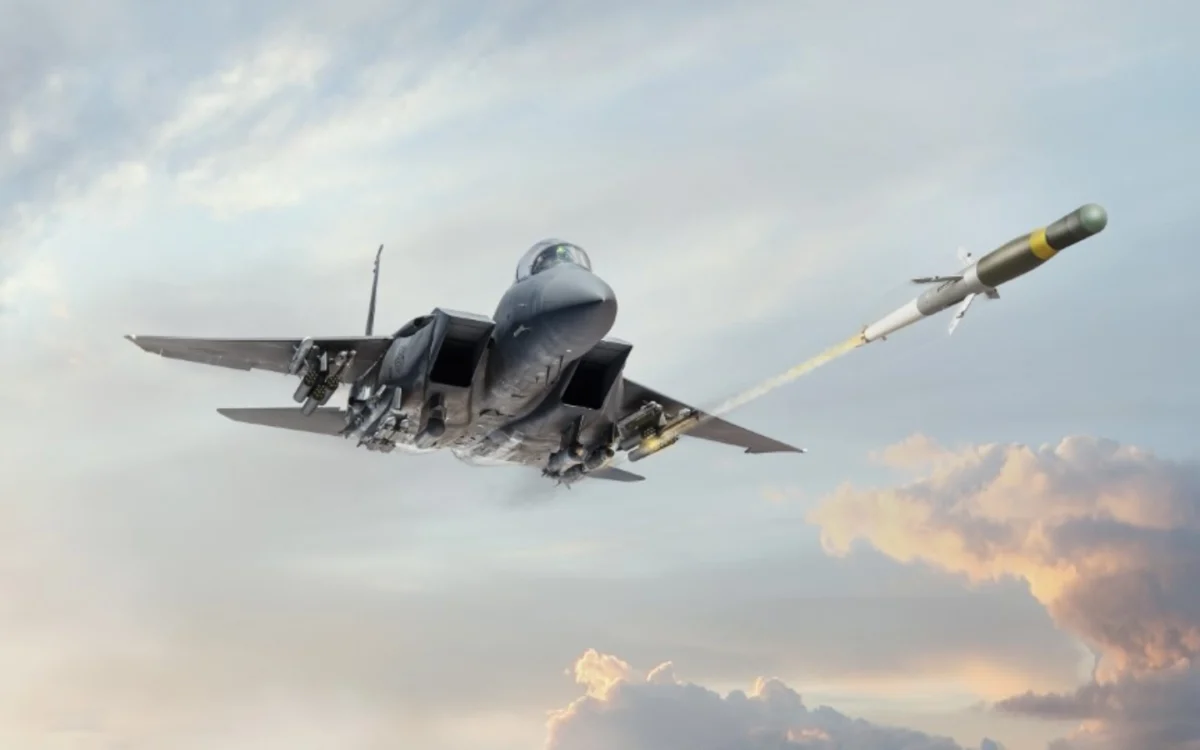
The capability is based on the Advanced Precision Kill Weapon System, known as APKWS, which converts unguided rockets into precision-guided weapons through the use of a laser guidance system. By adapting a comparatively low-cost weapon for air defence missions, the UK Ministry of Defence aims to provide RAF crews with a more sustainable and cost-effective option for defeating drones and other aerial threats, particularly when compared with the use of more expensive air-to-air missiles.
The system has now been fitted to RAF Typhoon combat aircraft and deployed on operations in the Middle East. Sorties have already been flown by Typhoons from 9 Squadron as part of ongoing missions to defend British personnel, interests and partners in the region.
The deployment follows a rapid programme of procurement, integration and testing involving the Ministry of Defence, BAE Systems and QinetiQ. According to the UK Ministry of Defence, the system moved from testing to operational deployment in less than two months, reflecting the urgency with which Western air forces are seeking affordable responses to the expanding drone threat.
A successful test strike against a ground-based target was conducted in March, followed by successful air-to-air firings in April by RAF Typhoon pilots from 41 Test and Evaluation Squadron. These trials demonstrated the weapon’s ability to engage drone-type threats and paved the way for operational use in the Middle East.
Minister for Defence Readiness and Industry Luke Pollard MP described the programme as a strong example of rapid cooperation between government and industry. He said the new system would allow the RAF to shoot down more drones at significantly lower cost. He also underlined the continuing importance of the Typhoon fleet, describing it as the backbone of UK and NATO air defence, both on Europe’s eastern flank and across the Middle East.
The decision to deploy APKWS on Typhoon aircraft reflects a wider shift in air defence planning. The increased use of drones, including one-way attack systems and low-cost unmanned platforms, has created a cost-exchange challenge for armed forces. Using high-end missiles to destroy relatively inexpensive drones can quickly become financially and operationally unsustainable. Systems such as APKWS are intended to address this problem by giving commanders a cheaper precision option while preserving more advanced missiles for higher-end threats.
BAE Systems, which plays a central role in the Typhoon programme, highlighted the aircraft’s versatility and its continuing relevance in modern combat air operations. Simon Barnes, Group Managing Director of BAE Systems’ Air sector, said the capability demonstrated Typhoon’s adaptability and its role as a key combat air platform across Europe and the Middle East.
QinetiQ also supported the rapid development and testing effort. Its Group Chief Executive Officer, Steve Wadey, said the company’s engineering and live-trials expertise had helped deliver urgent capabilities required by the UK Armed Forces and their allies.
RAF aircraft have continued to operate across the Middle East since the start of the current regional conflict, with pilots and aircrew surpassing 2,500 flying hours on defensive missions. Air Commodore Donal McGurk, Air 11 Group Deputy Director Operations, welcomed the rapid development and testing of the new missile capability, describing it as a valuable addition to the air defence package already being employed by UK forces in the region.
The APKWS deployment forms part of a broader UK air defence posture in the Gulf. British ground-based and helicopter-based air defence assets are also held at high readiness in support of regional partners, including Sky Sabre in Saudi Arabia, Lightweight Multirole Missile systems in Bahrain, and Rapid Sentry and ORCUS systems in Kuwait.
The announcement follows recent UK investment in counter-drone capabilities, including a multi-million-pound contract for Skyhammer interceptor missiles designed to counter Shahed-style attack drones. It also comes after the Ministry of Defence committed more than £650 million to upgrade the RAF Typhoon fleet, securing over 1,500 UK jobs and ensuring the aircraft remains in service protecting British skies into the 2040s.
Overall, the deployment of APKWS on RAF Typhoons represents an important step in adapting existing combat air platforms to the realities of modern drone warfare, where affordability, speed of response and operational endurance are increasingly decisive.
 English
  Greek
Greek