


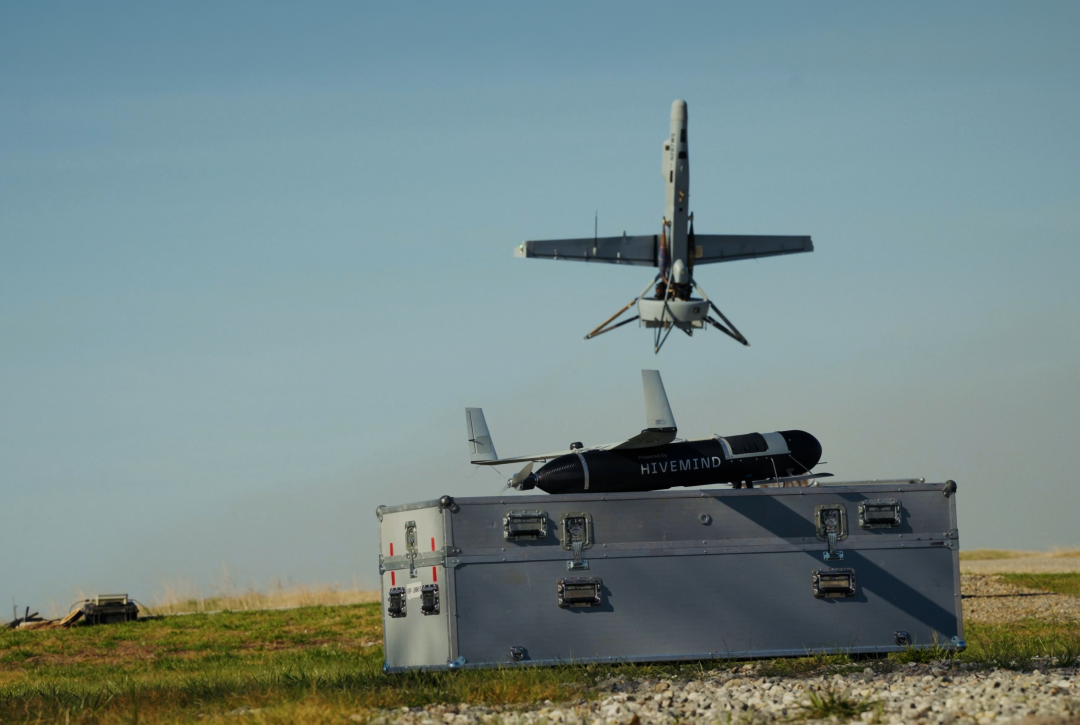
Shield AI and Destinus Demonstrate Autonomous Collaborative Strike Capabilities on Hornet Interceptor
Shield AI and Destinus have successfully demonstrated autonomous collaborative strike capabilities on the Destinus Hornet interceptor platform, marking an important milestone in the development of autonomy-enabled operations against increasingly sophisticated unmanned threats.
The demonstration, conducted in Segovia, Spain, integrated Shield AI’s Hivemind artificial intelligence pilot into the Destinus Hornet, a multi-role autonomous platform designed for counter-unmanned aerial system (C-UAS) missions, reconnaissance, strike operations, data relay, and security applications. The tests validated autonomous mission execution, in-flight adaptation, and coordinated operations in contested and GNSS-denied environments.
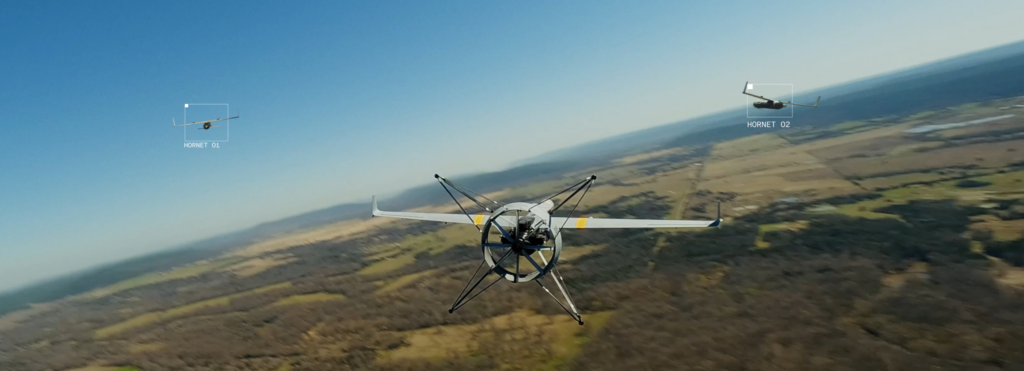
The achievement represents the third phase of a broader integration programme between the two companies. Earlier phases established Hivemind platform control on Hornet in less than two months and demonstrated multi-platform teaming between Shield AI’s V-BAT unmanned aircraft and the Hornet interceptor. The latest phase executed a complete operational concept developed for the Destinus Ruta, a low-cost turbojet-powered strike platform intended for terrain-following penetration missions in highly contested operational environments.
During the trial campaign, Hornet served as the initial integration platform due to its common flight-control architecture with the Ruta system. This approach is expected to accelerate future Hivemind integration across additional Destinus platforms while reducing technical risk ahead of planned operational testing on Ruta.
According to Shield AI, the demonstration included autonomy-assisted mission planning through a ground control station, communications testing, autonomous terrain-following flight, in-flight target updates, and autonomous terminal manoeuvre execution under operator command authority.
“Autonomous systems must be able to sense threats, adapt, and act at the edge—especially in contested environments where direct command and control is degraded or denied,” said Christian Gutierrez, Senior Vice President of Hivemind at Shield AI. “What we demonstrated in Segovia is a repeatable, fieldable autonomous capability that closes the reconnaissance-to-strike loop at the speed the threat demands.”
The next phase of development will focus on transferring these capabilities to the Destinus Ruta strike platform. Planned evaluations will examine coordinated operations between V-BAT reconnaissance systems and multiple Ruta platforms, enabling autonomous target updates, collaborative strike behaviours, and integration with existing command-and-control architectures.
Tim Moser, Chief Technology Officer at Destinus, highlighted the importance of maintaining platform sovereignty while integrating advanced autonomous capabilities.
“Destinus platforms operate on our own flight control architecture, and Hivemind validated that we can integrate third-party autonomy without surrendering system design authority,” Moser stated. “Repeatable integration, clear command authority, fieldable capability—that is how autonomy moves from a demonstration to something operators can rely on in the field.”
The demonstration reflects a broader trend across the defence sector towards autonomous and collaborative unmanned operations. As military forces worldwide seek effective responses to drone swarms, loitering munitions, and increasingly contested electromagnetic environments, autonomy-enabled systems are expected to play a growing role in future air and missile defence architectures.
The Destinus Hornet forms part of a layered defence concept designed to protect critical infrastructure, military installations, and high-value assets from emerging aerial threats. Combined with Shield AI’s Hivemind autonomy software, the platform is intended to provide operators with the ability to conduct complex missions while retaining human command authority and operational oversight.
The successful completion of the Segovia trials represents a significant step towards operational deployment of collaborative autonomous systems capable of supporting reconnaissance, strike, and counter-UAS missions in future high-intensity conflicts.
 English
  Greek
Greek