


Hellenic Armed Forces Inaugurate Joint UAV Training Centre in Tripoli
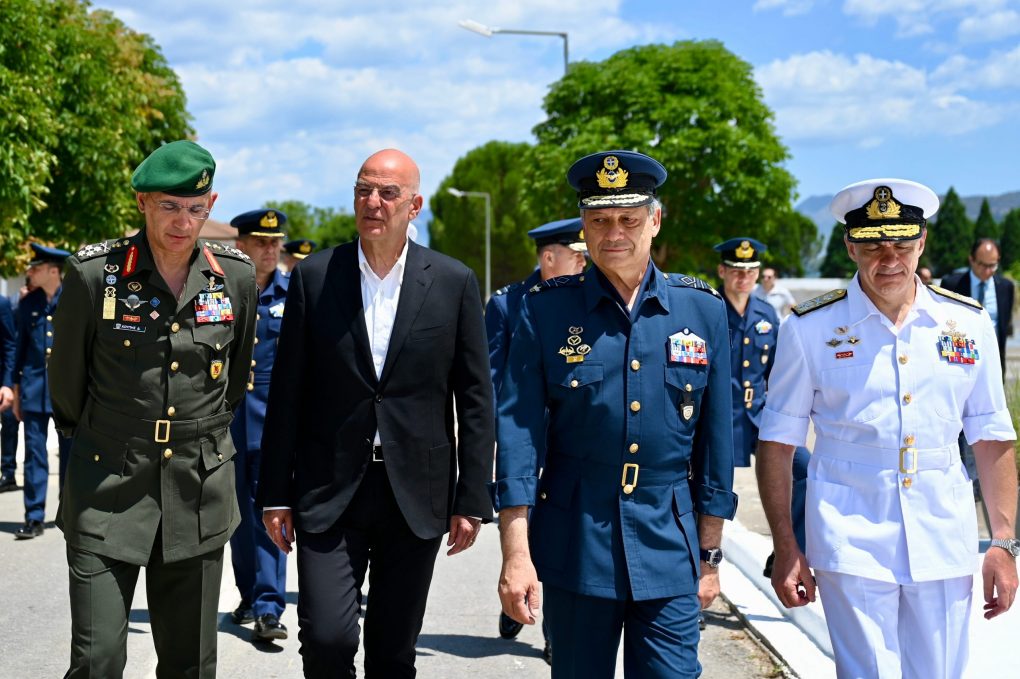
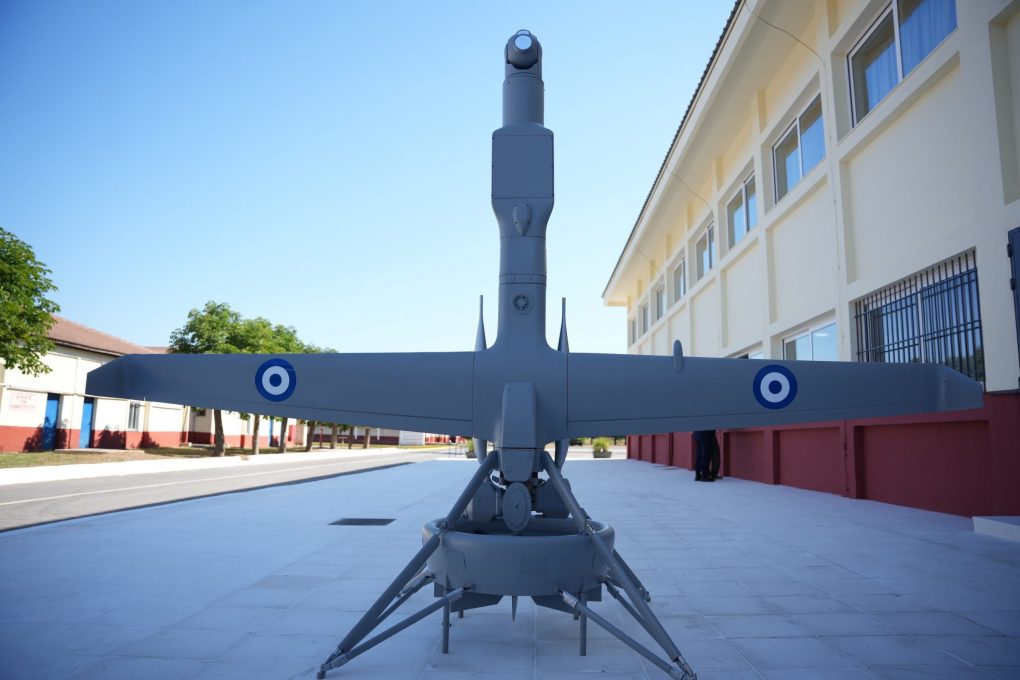
The Hellenic Armed Forces have inaugurated a new Joint Training Centre for Unmanned Aerial Vehicles (UAVs) at the Tripoli Air Detachment, marking another important step in the implementation of Greece’s “Agenda 2030” Armed Forces transformation programme.
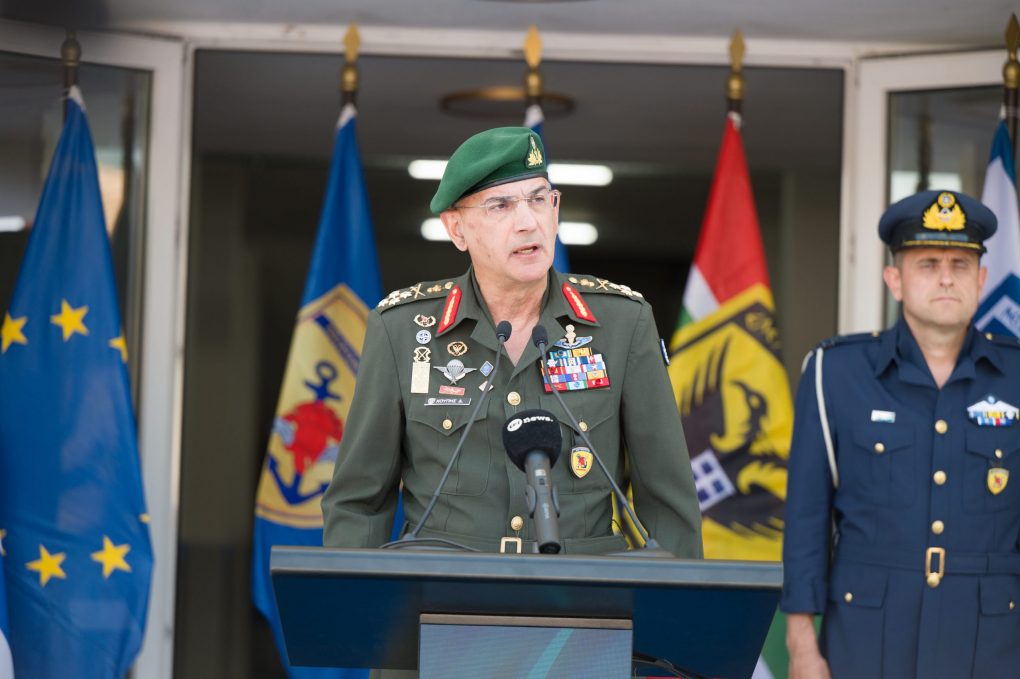
Speaking at the inauguration ceremony, Chief of the Hellenic National Defence General Staff (HNDGS), General Dimitrios Choupis, described the establishment of the Centre as a significant institutional and operational transformation, reflecting the Armed Forces’ transition into a new era shaped by emerging technologies, joint operations and rapidly evolving threats.
The new facility is located at a site with a long association with the Hellenic Air Force and, in particular, the 124th Basic Training Wing. According to General Choupis, the facility is now assuming a new mission, becoming a centre of reference for UAV training, standardisation, joint-service cooperation and the operational employment of unmanned aerial systems.
General Choupis stressed the growing importance of unmanned capabilities in the contemporary battlespace, where early threat detection, surveillance accuracy, the rapid transformation of information into operational advantage and the speed of decision-making can determine the outcome of military operations.
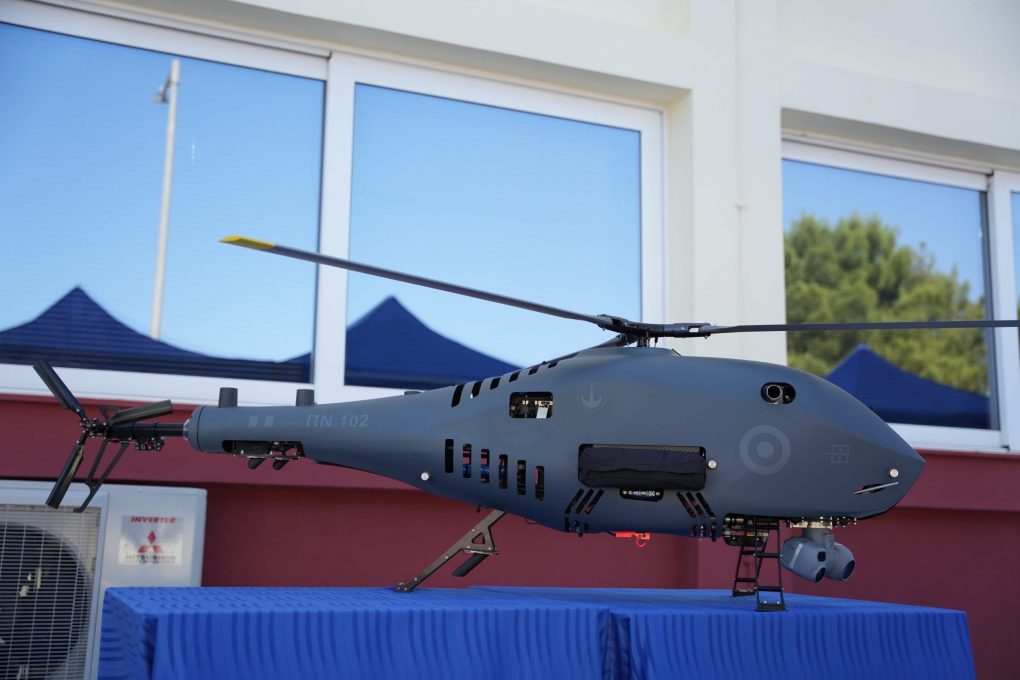
UAVs and other unmanned systems, he noted, have become critical force multipliers across an increasingly broad range of missions, including intelligence, surveillance and reconnaissance (ISR), force protection, operational support, critical infrastructure security and the creation of a common operational picture.
The HNDGS Chief also highlighted the increasing battlefield significance of loitering munitions, long-range precision strikes and coordinated swarms of unmanned strike systems, underlining that unmanned technologies are no longer supplementary capabilities but integral components of modern military effectiveness.
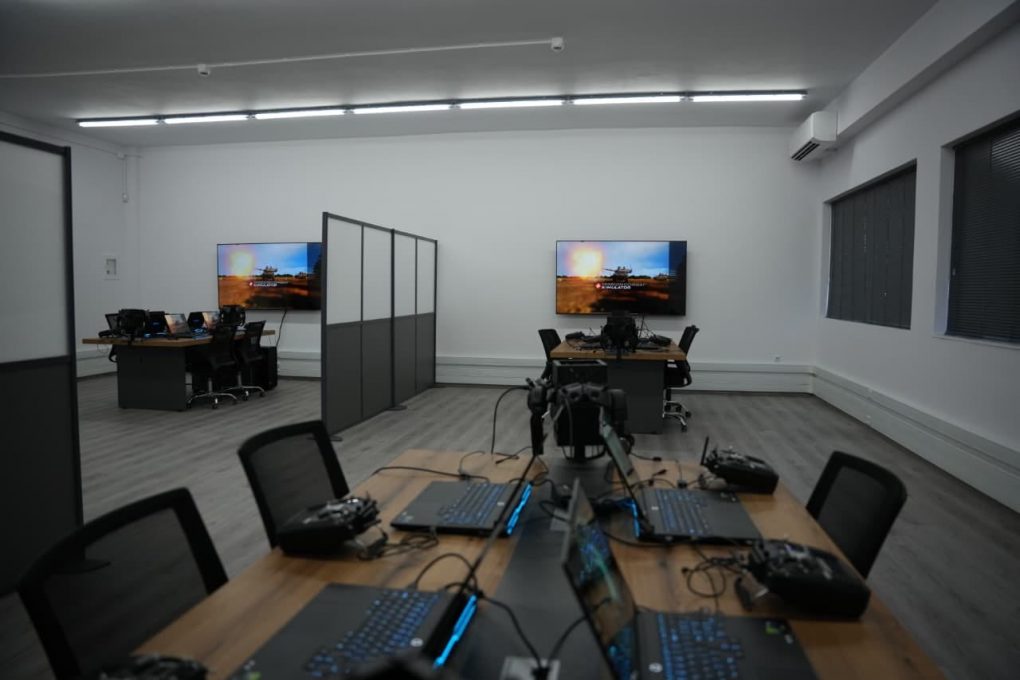
The Joint UAV Training Centre brings together modern infrastructure and practical training areas, advanced training equipment, standardised procedures, specialist expertise and qualified personnel. Its mission will be to train and certify personnel from all branches of the Hellenic Armed Forces, enabling them to operate, support and employ unmanned aerial systems safely and effectively.
However, General Choupis emphasised that technological superiority alone cannot guarantee operational advantage. The decisive factor remains the combination of advanced systems with properly trained personnel capable of exploiting them under demanding operational conditions.
The Centre will therefore go beyond the technical training of UAV operators. It is intended to cultivate broader technological familiarity, joint-service understanding, knowledge transfer and command responsibility, strengthening a common operational culture across the Armed Forces.
According to the HNDGS Chief, resilience, interoperability, rapid adaptation and the ability to make decisions under pressure have become fundamental requirements of the modern joint operational environment.
Investment in high-level training in areas of critical technological development consequently represents an investment in Greece’s overall deterrent capability, while strengthening operational effectiveness, national resilience and military superiority.
General Choupis underlined that common training, a common operational language, shared understanding and interoperability between the Services are essential prerequisites for the broader transformation being implemented under Agenda 2030.
Concluding his address, the HNDGS Chief expressed confidence that the new Centre would become a key national reference point for training in unmanned aerial and autonomous systems and would contribute decisively to the overall operational enhancement of the Hellenic Armed Forces.
 English
  Greek
Greek