


Greece inaugurated its Space Operations Command
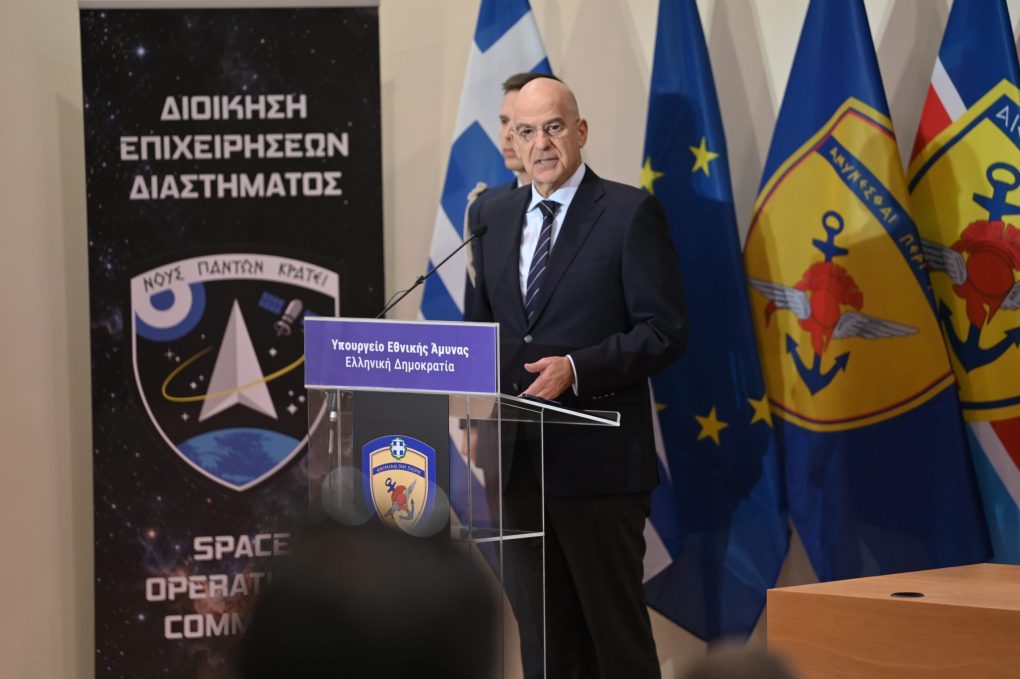
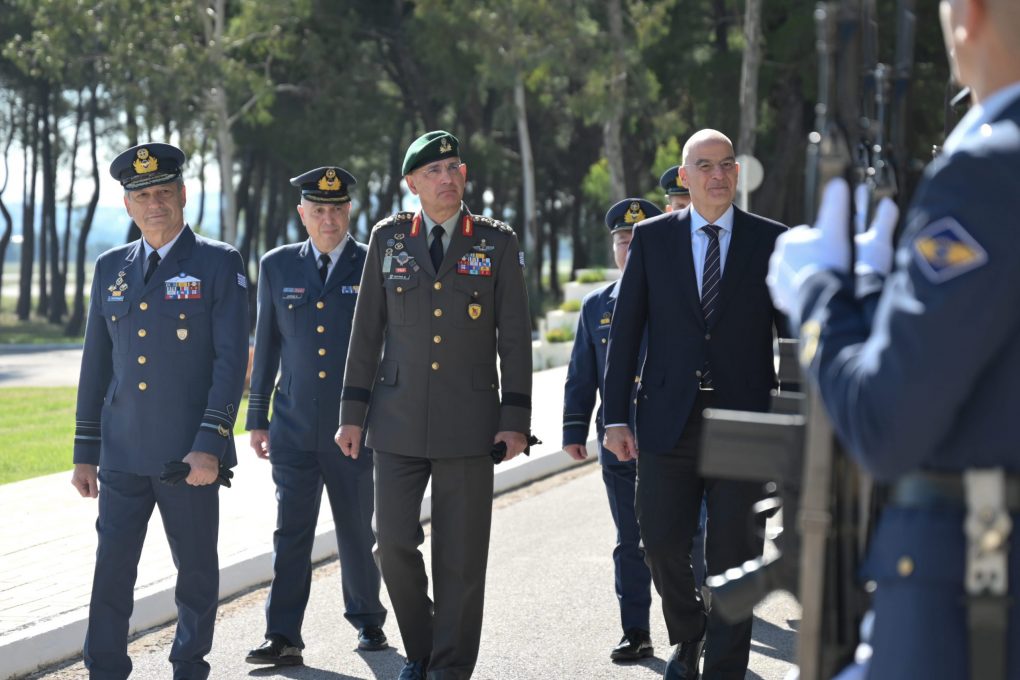
Greece inaugurated its Space Operations Command at Dekeleia Air Base on 9 November 2026, marking an important milestone in the modernisation of the Hellenic Armed Forces and the integration of space capabilities into national defence planning. Minister of National Defence Nikos Dendias attended the ceremony alongside the military leadership, welcomed by Lieutenant General Dimosthenis Grigoriadis, Chief of the Hellenic Air Force General Staff. The new command forms part of the Ministry’s Agenda 2030 transformation programme and reflects growing recognition that access to space services, reliable satellite intelligence and secure communications are essential to military effectiveness. Its establishment provides an organisational framework for developing and coordinating capabilities that support operations across the land, maritime and air domains.
The ceremony included addresses by Dendias, Grigoriadis and the Commander of the Space Operations Command, Colonel Attendees included General Dimitrios Choupis, Chief of the Hellenic National Defence General Staff; Lieutenant General Georgios Kostidis, Chief of the Hellenic Army General Staff; Vice Admiral Dimitrios-Eleftherios Kataras, Chief of the Hellenic Navy General Staff; and National Security Secretary General Thanos Dokos. Representatives of the Hellenic Space Center, the National Observatory of Athens, the defence and space industries, universities and research institutions also attended. Their participation highlighted the importance of cooperation between the Armed Forces, scientific organisations and industry in developing the expertise and infrastructure required to support Greece’s military space ambitions.
During the event, guests received a presentation on the command’s mission, organisational structure and responsibilities, followed by a tour of its facilities. Dendias also observed a demonstration of the Space Operations Centre. The presentations focused on the development, coordination and operational exploitation of space capabilities to meet the requirements of the Armed Forces. Satellite communications, geospatial information and space surveillance were identified as important contributors to operational planning, interoperability and mission effectiveness. The command is intended to strengthen the connection between technological capabilities and military requirements, helping ensure that space-derived information can be delivered to decision-makers and operational units when needed. Its activities will support the broader integration of space applications into joint military operations.
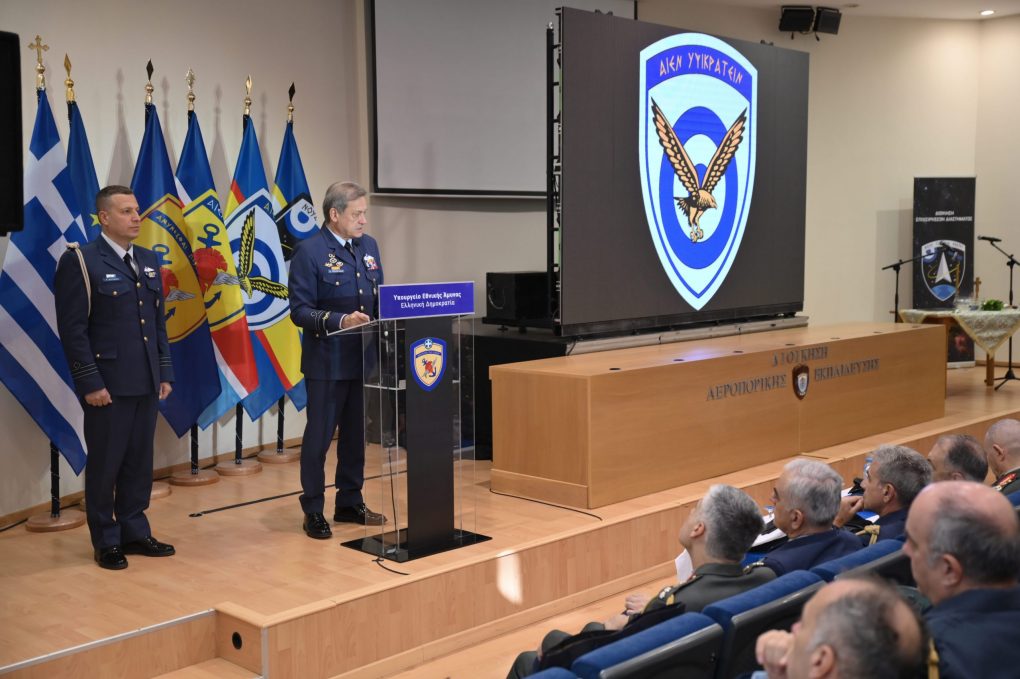
In his address, Lieutenant General Grigoriadis placed the command’s establishment within the changing character of warfare. Operations in Ukraine and recent conflicts in the Middle East, he explained, have demonstrated the importance of satellite communications, intelligence collection, surveillance, navigation and early warning. They have also shown how disruption to these services can affect military operations. Reliable access to space applications and the resilience of supporting infrastructure must therefore be treated as integral components of national defence. For the Air Force chief, the new command represents more than an organisational adjustment: it is an investment in readiness, deterrence and the ability to respond to emerging threats. He also emphasised international cooperation, drawing attention to specialised space commands abroad and NATO’s recognition of space as an operational domain.
Defence Minister Dendias described the inauguration as a substantive step towards adapting the Armed Forces to joint, multidomain operations, in which space, cyberspace and the electromagnetic spectrum interact with traditional operational environments. He stressed that Greece must move beyond purchasing services from foreign providers and develop nationally owned satellite information capabilities integrated into military command and control systems. This approach underpins the transition from C4I to the C5ISRT architecture, combining command, control, computing, communications, cyber, intelligence, surveillance, reconnaissance and targeting. The objective is an integrated operational structure through which information collected by satellites and other sensors can support ships, aircraft and ground units. Dendias presented this transformation as a response to existing capability gaps, particularly as other countries in the region already maintain a substantial presence in space.
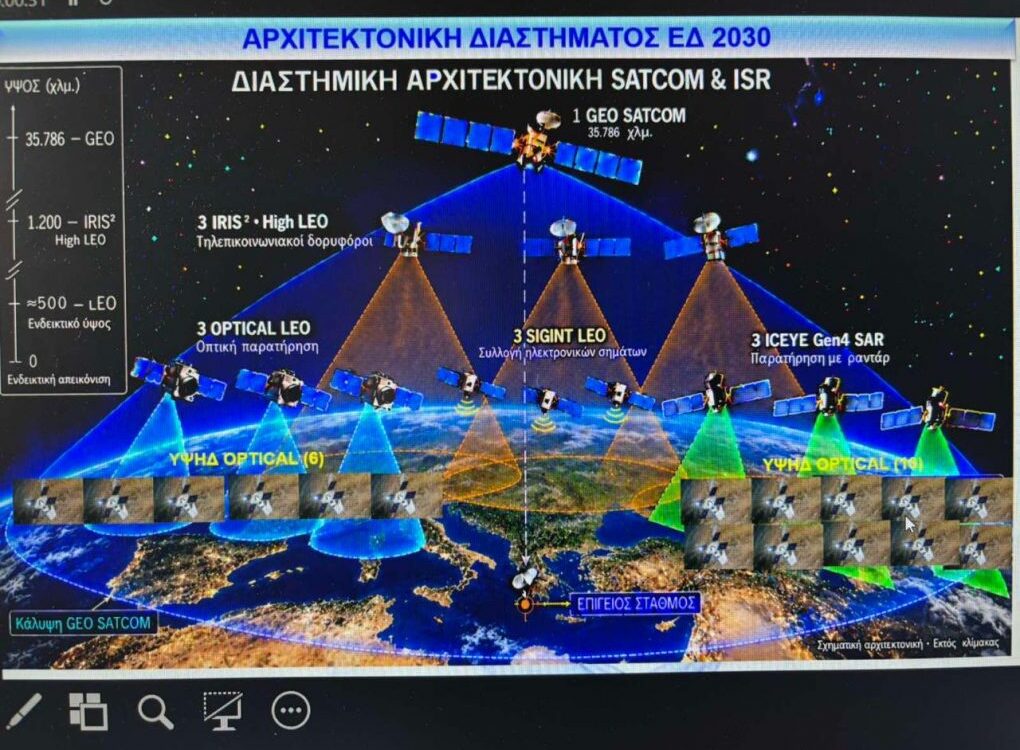
The development programme combines the exploitation and modernisation of existing infrastructure with the acquisition of additional capabilities. Dendias referred to the ground station supporting the European HELIOS II military satellite programme at the 114 Combat Wing in Tanagra, together with the satellite communications ground station in Atalanti. He also stated that Greece had acquired 16 dual-use optical satellites in low Earth orbit through cooperation with the Ministry of Digital Governance. Nevertheless, he underlined that these capabilities were insufficient to meet the full range of operational requirements. The planning presented at the ceremony envisages six optical observation satellites, three signals intelligence satellites and three synthetic aperture radar satellites. Together, these different sensor types are intended to strengthen surveillance and intelligence collection while providing complementary capabilities under varying environmental conditions.
Explaining the need for this combination, Dendias highlighted the limitations of optical observation when weather conditions restrict visibility. Radar satellites provide complementary coverage, while signals intelligence satellites add a further information source to the operational picture. The purpose is to establish an integrated low Earth orbit surveillance and intelligence system capable of supporting timely situational awareness. The minister also questioned the acceptability of waiting for imagery purchased from an external provider when urgent developments require immediate assessment. His remarks placed particular emphasis on the relationship between sovereign access to information and the speed of military decision-making. The planned architecture seeks to reduce external dependencies and improve the availability of information needed during rapidly evolving situations.
Secure transmission of that information constitutes another central element of the programme. Dendias highlighted the selection of Attica to host one of the two European GOVSATCOM hubs, supporting secure governmental communications, critical infrastructure protection and crisis management. He also referred to Greek participation in the European IRIS² secure connectivity programme, linking it to plans for three communications satellites in medium Earth orbit. Alongside these European initiatives, Greece intends to establish an autonomous national military satellite communications capability. According to the minister, long-term defence procurement planning provides for the acquisition of a geostationary communications satellite built to military specifications. The national MILSATCOM programme aims to deliver a Greek-owned system encompassing the satellite, ground infrastructure and communications network under national operational control, strengthening communications security during crises.
The industrial dimension is equally important to the sustainability of these ambitions. Dendias identified domestic technological capacity as a necessary complement to satellite acquisition, enabling Greece to support and further develop its space capabilities. He referred to the operation of a space hardware assembly, integration and testing facility at Hellenic Aerospace Industry, which he had visited the previous week. Such infrastructure offers opportunities to perform specialised work domestically, strengthen technical expertise and increase Greek industrial participation in space programmes. Grigoriadis similarly emphasised cooperation with domestic defence companies, research institutions and international partners. He also identified new infrastructure, innovative technologies and artificial intelligence applications as contributors to a resilient and effective operational architecture supporting the command’s future development.
Both addresses underlined that technology must be supported by trained personnel, appropriate doctrine and effective joint coordination. Grigoriadis stressed that space capabilities serve the entire Armed Forces and must be integrated into planning accordingly. Specialist education, the development of modern doctrines and the systematic use of operational lessons will underpin the command’s continued evolution. Addressing its personnel, he called for professionalism, innovative thinking and cooperation to translate technological potential into operational advantage. The inauguration therefore signals the start of a broader institutional effort: connecting national infrastructure, European cooperation, industrial expertise and military requirements within a coherent framework for strengthening Greece’s defence readiness and strategic autonomy.
 English
 Greek