


African Armies Embrace Targeted Modernization
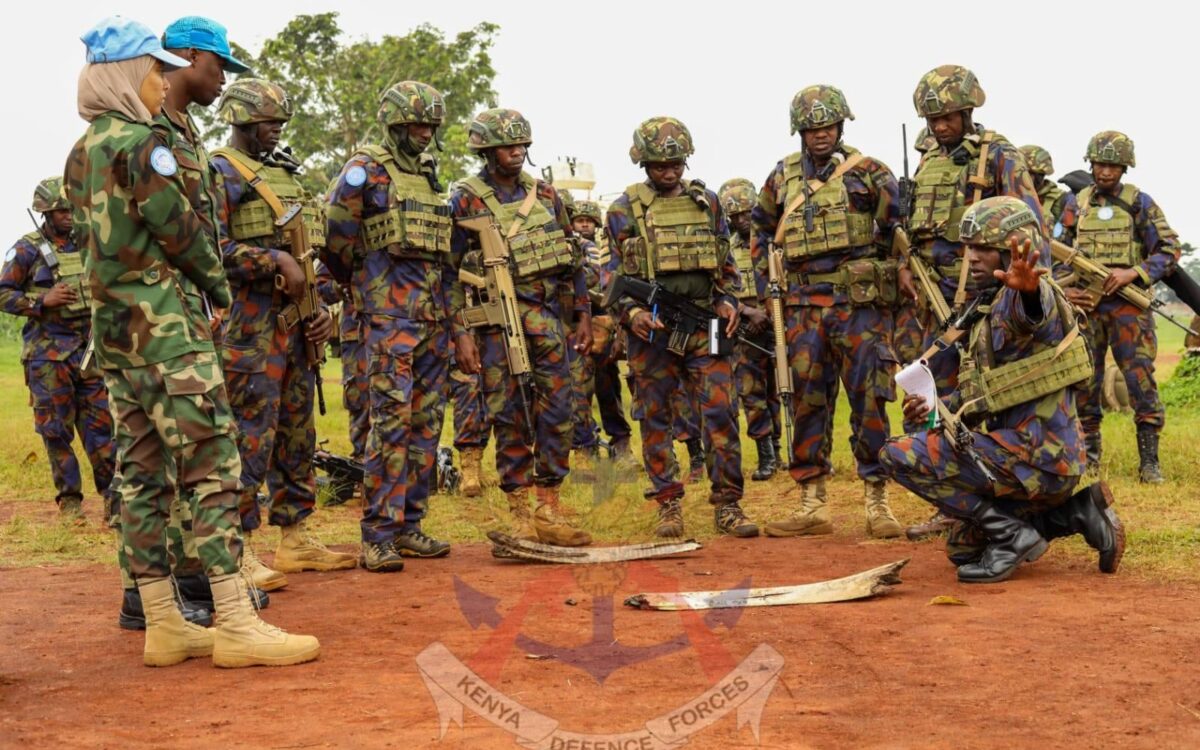
The 2024–2025 picture of Africa’s largest armies shows that while overall manpower figures remain relatively stable, procurement trends are shifting towards targeted modernization—especially in mobility, armour protection, and precision strike capabilities. Egypt and Algeria continue to lead in both personnel and heavy equipment. Nigeria is pairing manpower with advanced munitions and domestic manufacturing. Morocco, the Democratic Republic of the Congo (DRC), Ethiopia, and Angola are investing in armoured mobility. This mix of manpower and modernization reflects the diverse security needs of the continent, where armies must be prepared for both conventional defence and asymmetric threats. Egypt commands the largest military force on the continent. With 440,000 active-duty soldiers, 300,000 paramilitary troops, and 480,000 reservists, Egypt’s total military manpower is estimated at approximately 1.2 million personnel. This places the country 10th in the world in terms of active-duty forces and 15th globally in overall military power. With an annual defence budget of US$9.4 billion, Egypt is able to sustain significant investments in equipment, training, and modernization programs. In 2025, Egypt advanced its K9A1EGY self-propelled howitzer program by receiving deliveries and integrating advanced fire-control systems developed by Hanwha. Notably, Egypt adapted the K9 platform for coastal defence, making it the first country to use the K9 system in an anti-ship role. Morocco fields a total military force of 395,800 personnel, composed of 195,800 active troops, 150,000 reservists, and 50,000 paramilitary forces. Ranked 61st globally in military power, Morocco maintains an annual defence budget of US$12 billion. The country is focused on enhancing its long-range strike capabilities and modernizing key equipment. In line with this, Morocco has approved the purchase of High Mobility Artillery Rocket Systems (HIMARS) from the United States. It has also participated in logistics training as part of the African Lion 2025 exercise. Previously, Morocco initiated the replacement of its aging French CAESAR howitzers with the ATMOS 2000 155 mm self-propelled systems built by Israel’s Elbit Systems, indicating a shift toward diversified supplier relationships. Additionally, in late 2024, Morocco began local assembly of the WhAP 8×8 armoured combat vehicle in partnership with Tata Advanced Systems of India. The production facility in Casablanca has a capacity of 100 vehicles per year, with plans to expand local content in the future. Nigeria’s armed forces are composed of 280,000 personnel, including 230,000 active-duty troops and 50,000 paramilitary forces. The country does not operate a reserve force, instead relying on a large annual influx of military-aged citizens—approximately 4.15 million people reach service age each year, making it the sixth-highest globally.
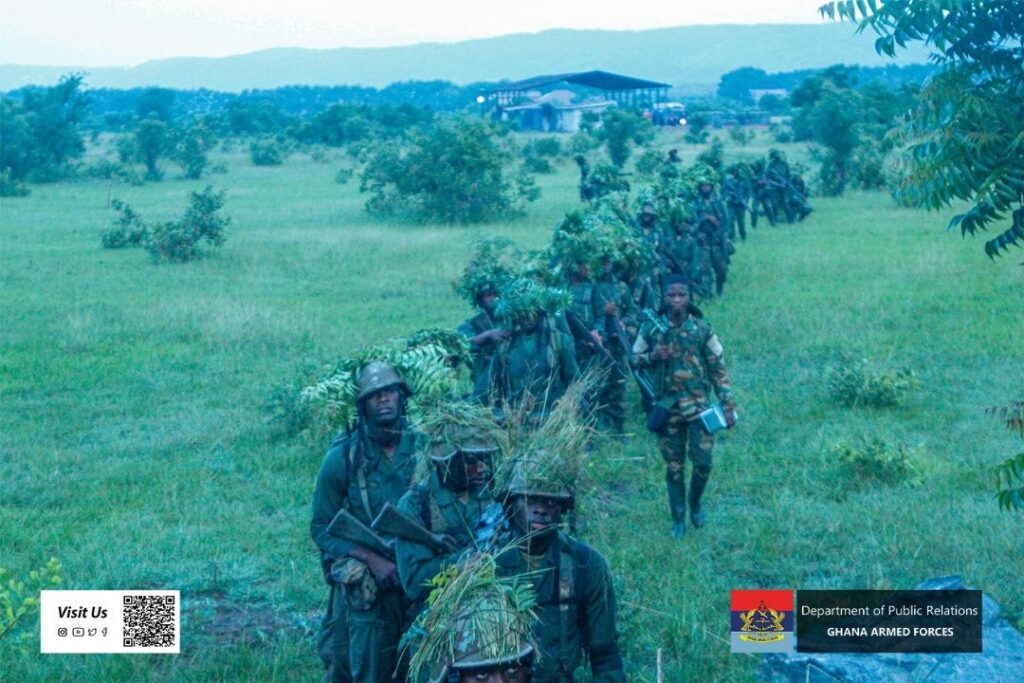
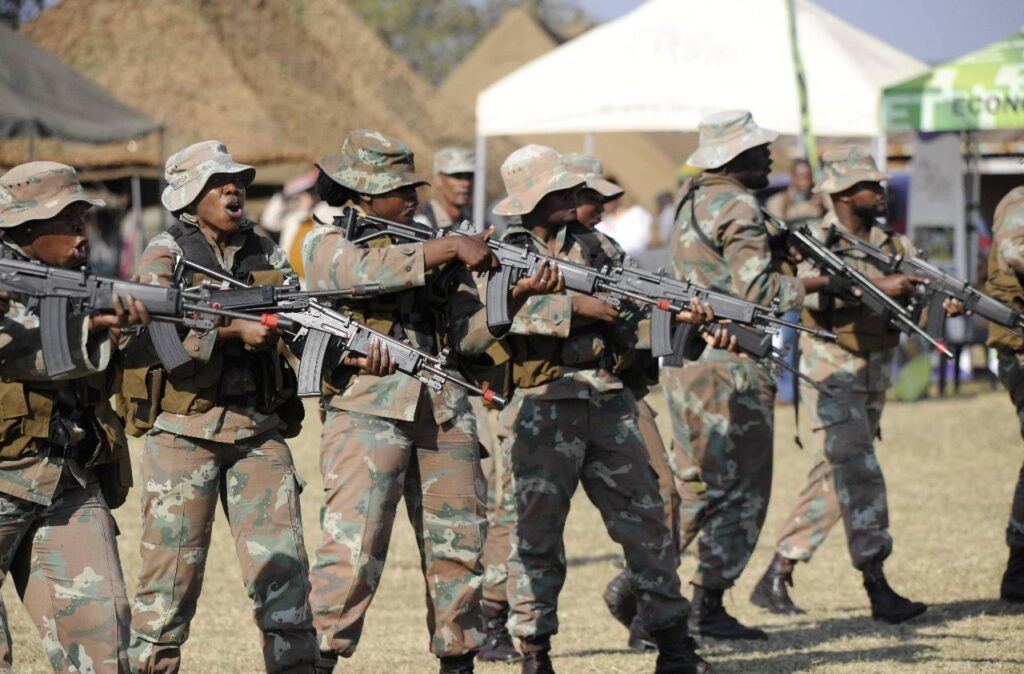
Nigeria’s defence budget stands at US$4 billion, which supports counter-insurgency campaigns, border protection, and ongoing modernization initiatives. In 2025, the Nigerian Army entered a landmark agreement with the Defence Industries Corporation of Nigeria (DICON) to mass-produce the indigenous Ezugwu Mine-Resistant Ambush Protected (MRAP) vehicle. Additionally, Nigeria explored the acquisition of more than 100 armoured vehicles from Egypt’s Eagles International during IDEX 2025. Kenya’s focus on modernization is evident in its growing fleet of armoured vehicles. The country has procured Springbuck armoured vehicles from DCD, acquiring both Standard Duty and Heavy Duty variants to improve operational mobility and protection. Kenya has also integrated the M1117 Guardian armoured security vehicles, which were received as part of a U.S. military aid package in 2024. This aid included approximately 150 M1117s, alongside UH-1 Huey and MD500 helicopters. The Kenya Army Corps of Electrical and Mechanical Engineering (KACEME), in collaboration with the Massachusetts National Guard, is managing the refurbishment and sustainment of this fleet. Videos from mid-2025 have shown M1117s actively deployed in convoy formations across Kenyan roads. Algeria is undergoing an extensive modernization effort aimed at replacing outdated Soviet-era systems while strengthening capabilities across all service branches. This strategy emphasizes diversification of suppliers and prioritizes mobility, firepower, and survivability. One of the most prominent initiatives involves the local assembly of the German-made Fuchs 2 Armored Personnel Carrier (APC), a 6×6 wheeled platform suited for a variety of roles including troop transport, command and control, and medical evacuation. © SA National Defence Force 26 Ιουλίου στις 8:30 μ.μ. · 7 South African Infantry Battalion with platoon attack at Makhado Show
While the original plan called for 238 units, financial and production delays have scaled that number down to 88. Only a few pre-production units have been delivered, and large-scale deployment remains uncertain. The Democratic Republic of the Congo maintains a force of 207,580 personnel, including 166,580 active troops, 31,000 reservists, and 10,000 paramilitary members. In a $70 million agreement with Abu Dhabi’s International Golden Group, the DRC has acquired over 100 Kasser II armoured vehicles. These mine-resistant units, some armed with 20 mm cannons or 12.7 mm machine guns, are designed for operations in combat zones. Around 80 units had been delivered by mid-2025, with deployment focused on the conflict-ridden eastern regions. Ethiopia maintains a standing force of 162,000 active personnel, with no paramilitary or reserve components. Ranked 49th globally in military capability, Ethiopia’s defence budget stands at US$888 million. Recent modernization efforts include the acquisition of Calidus MCAV-20 vehicles from the United Arab Emirates and Despot armoured vehicles from Bosnia-Herzegovina. Ethiopia has also procured SH-5 155 mm self-propelled guns from China. These purchases reflect broader regional trends in defence modernization, motivated by domestic instability and geopolitical tension. Angola’s armed forces include 107,000 active troops and 10,000 paramilitary personnel, for a combined total of 117,000. The country approved a $36 million deal in 2025 with China’s state-owned CATIC for military equipment, under a broader strategic cooperation framework signed in 2021. The deal, which includes 85% financing support, aims to upgrade Angola’s national defence capabilities and demonstrates the country’s commitment to aligning with international defence standards. It also signals growing military ties between Angola and China, particularly in infrastructure and capability development. Sudan’s total military strength is estimated at 194,500, including 92,000 active troops, 85,000 reservists, and 17,500 paramilitary forces. Despite ongoing civil conflict and political instability, Sudan continues to receive foreign-supplied ground systems through a variety of channels. However, the details of these deliveries remain opaque due to their sensitive and politically charged nature. Sudan’s annual defence expenditure is estimated at approximately US$300 million. Tunisia fields a force of 101,800 military personnel, composed of 89,800 active troops and 12,000 paramilitary forces, without any reserve component. Ranked 74th globally, Tunisia allocates US$1.26 billion annually to defence. In early 2025, Tunisia received the first batch of Masstech T4 armoured vehicles from France, aimed at boosting internal security and enhancing border protection. On December 4, 2024, the U.S. State Department approved a possible sale of 184 Javelin FGM-148F anti-tank missiles, valued at US$107.7 million. The deal, managed by Lockheed Martin and RTX Corporation through the Javelin Joint Venture, aims to further modernize Tunisia’s ground forces and strengthen strategic military ties with the United States. The Zambia Army is undertaking a modernization drive, aiming to enhance its capabilities by adopting technological advancements. This initiative aligns with a directive from the Republican President and Commanderin-Chief of the Defence Force, Mr. Hakainde Hichilema. The army is studying Ethiopia’s defense forces as a model for this modernization, particularly their success in upgrading obsolete military equipment Botswana became the first African nation to acquire the French-made VL MICA air defense missile system in 2020. In addition to the missile system, Botswana also procured 45 Piranha armored personnel carrier (APC) vehicles. The acquisition of these systems indicates Botswana’s efforts to bolster its military capabilities and enhance its air defense.
 English
  Greek
Greek