


HS Nearchos Joins the Hellenic Navy as Greece Advances Fleet Transformation
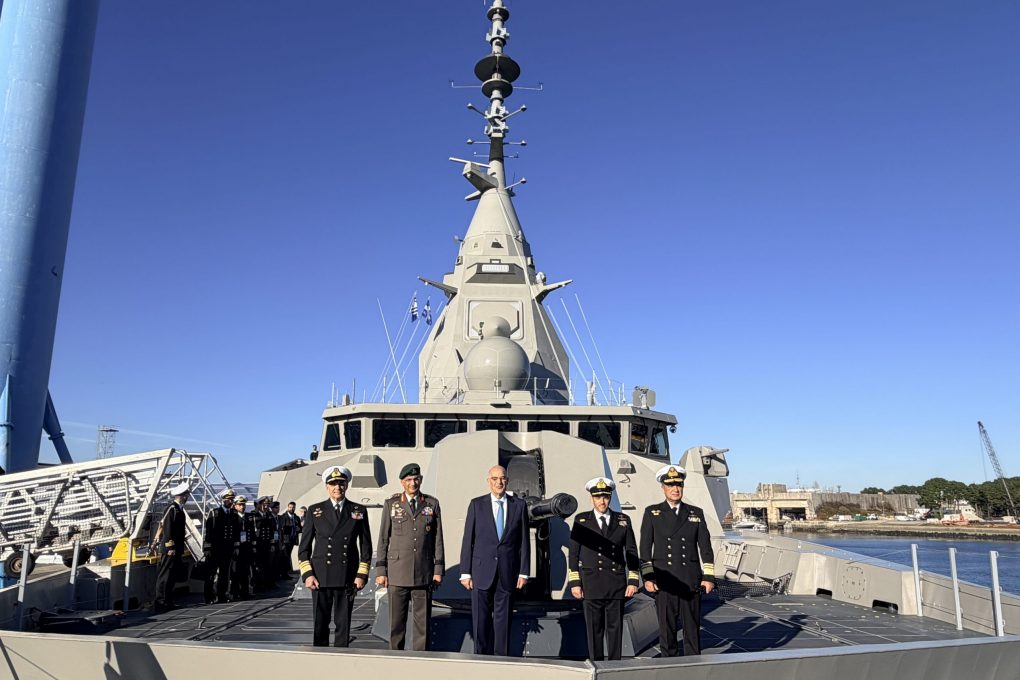
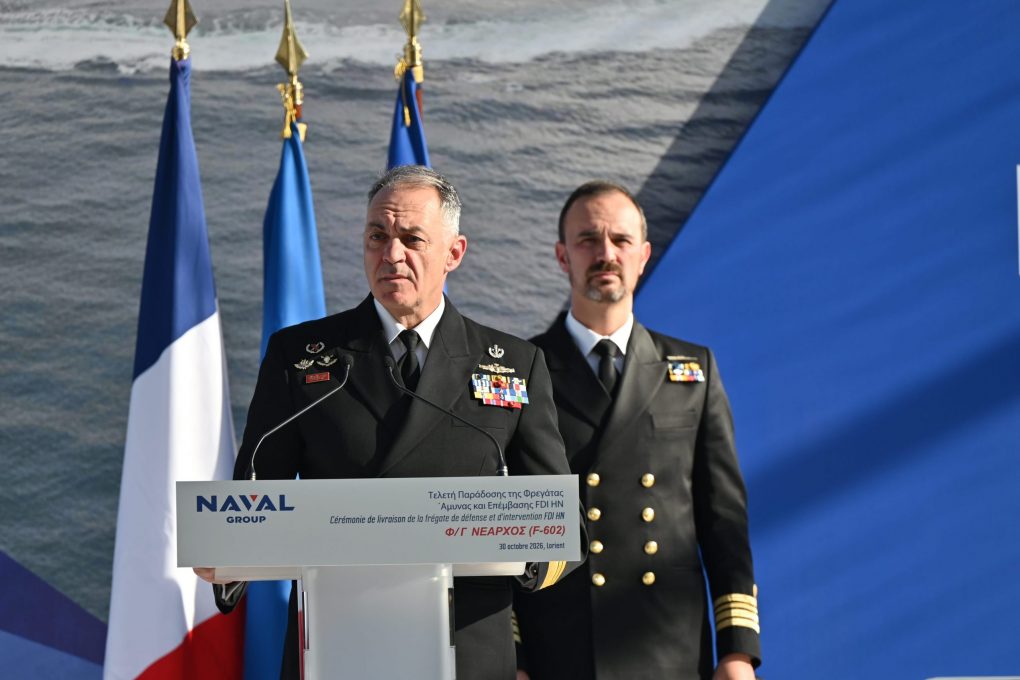
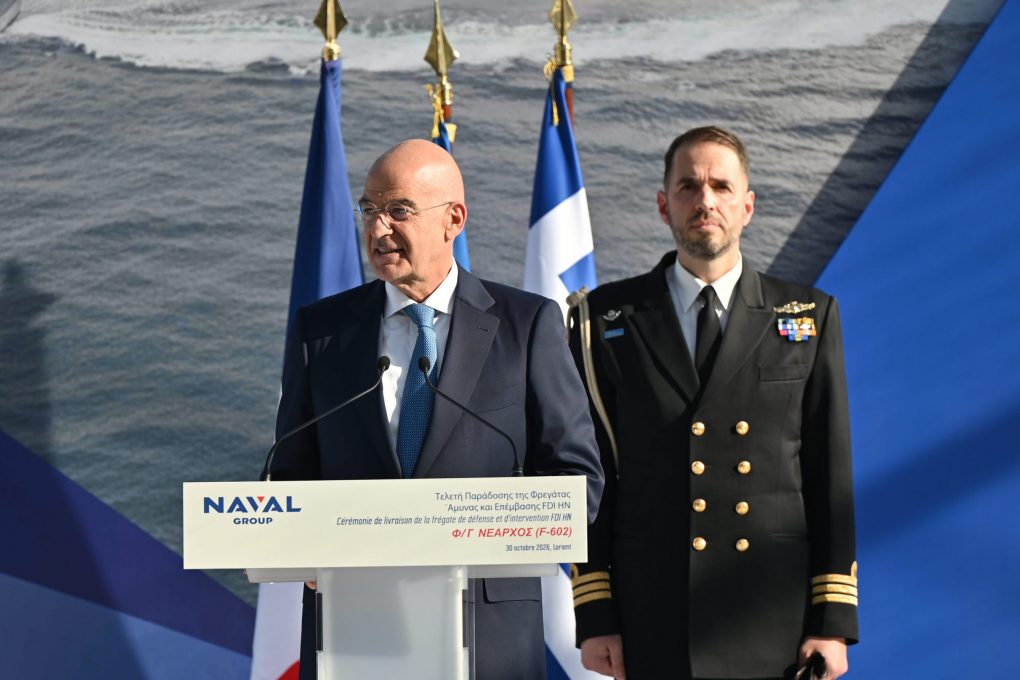
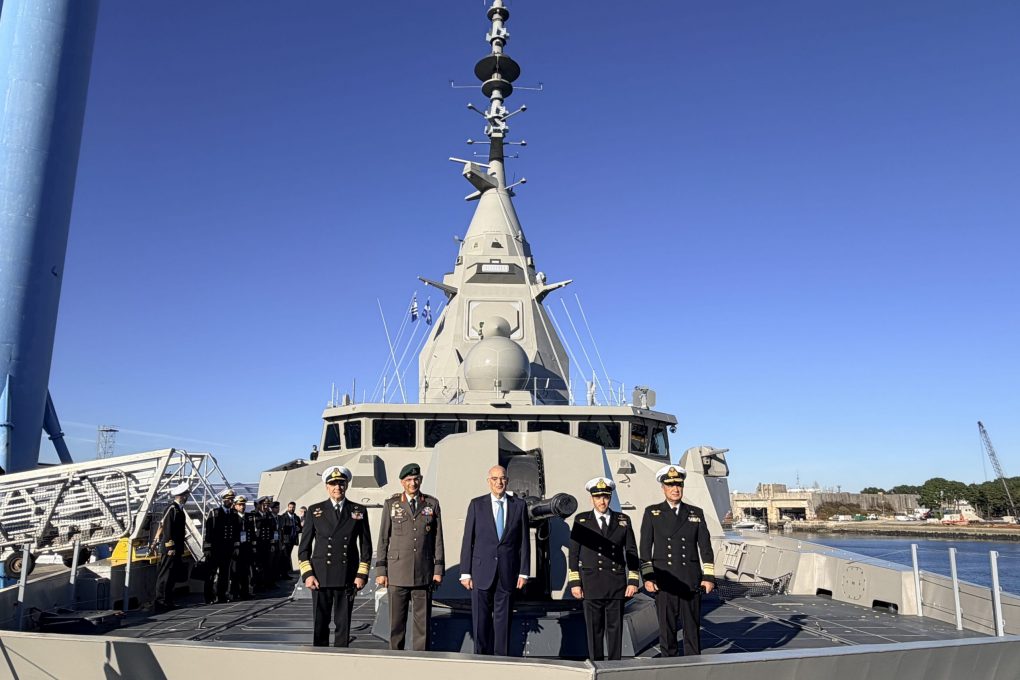
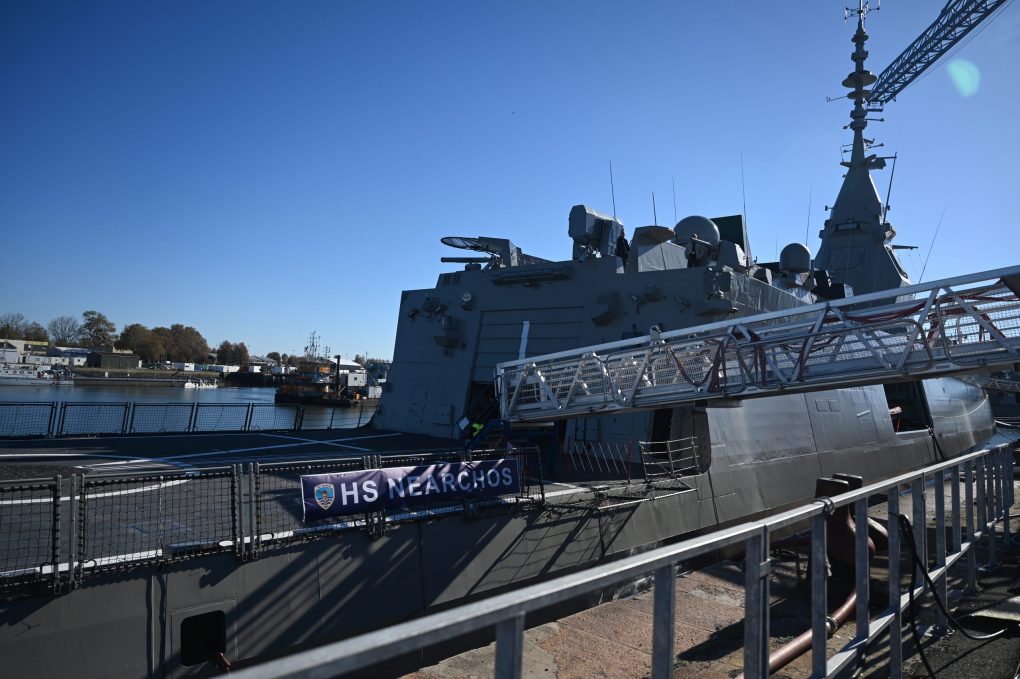
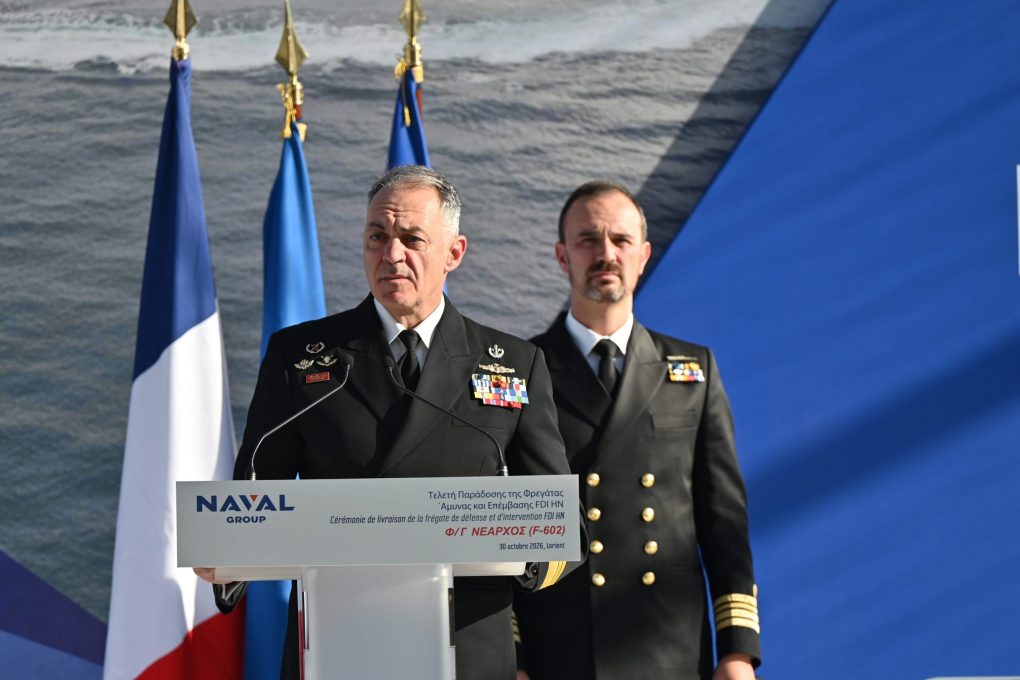
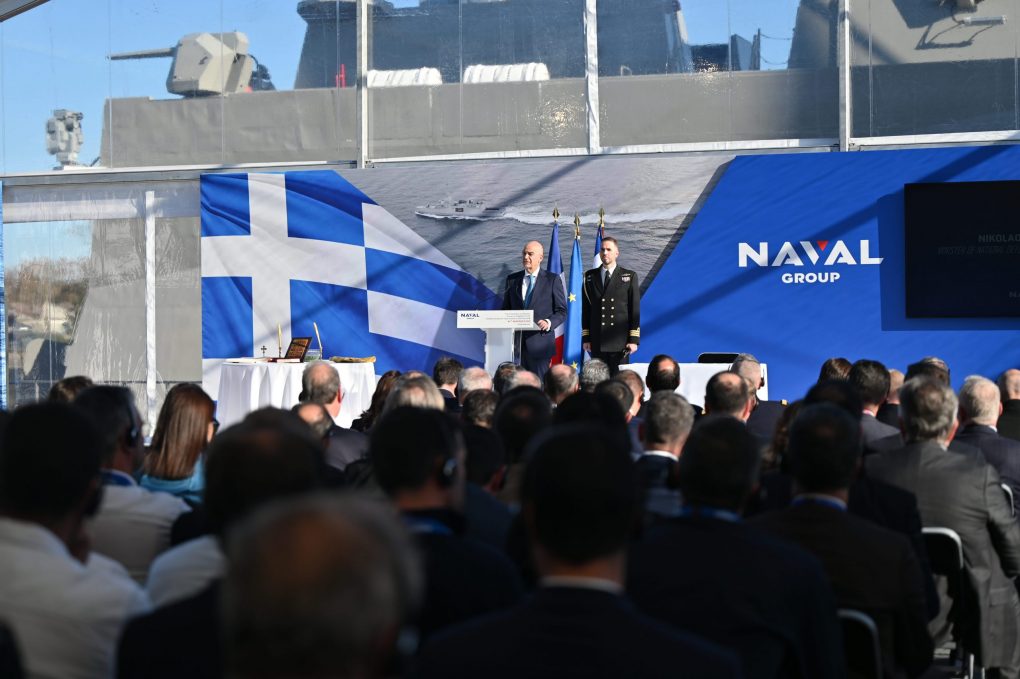
The delivery of HS Nearchos, the Hellenic Navy’s second Defence and Intervention Frigate, marks another milestone in Greece’s naval modernisation and its strategic partnership with France. Held at Naval Group’s facilities in Lorient on 30 October 2026, the ceremony brought together Greek Minister of National Defence Nikos Dendias and French Minister of the Armed Forces Catherine Vautrin. Combining the vessel’s delivery, naming and raising of the Greek flag, the occasion signalled its formal entry into the Hellenic Navy. Beyond the addition of another frontline warship, the event highlighted the connection between fleet renewal, industrial cooperation and Greece’s wider defence transformation under Agenda 2030.
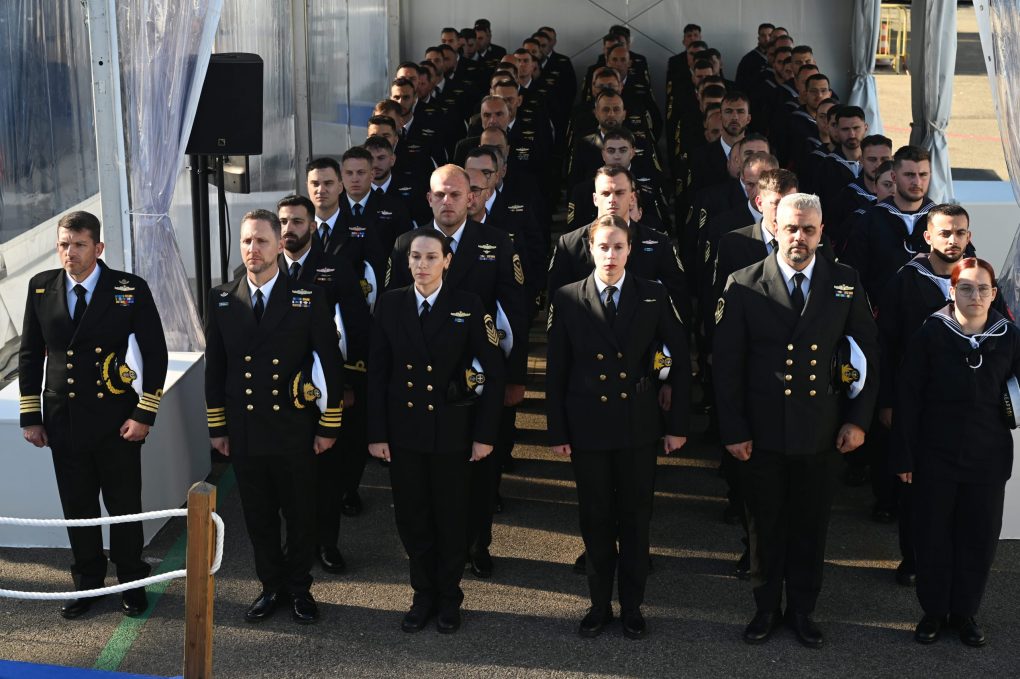
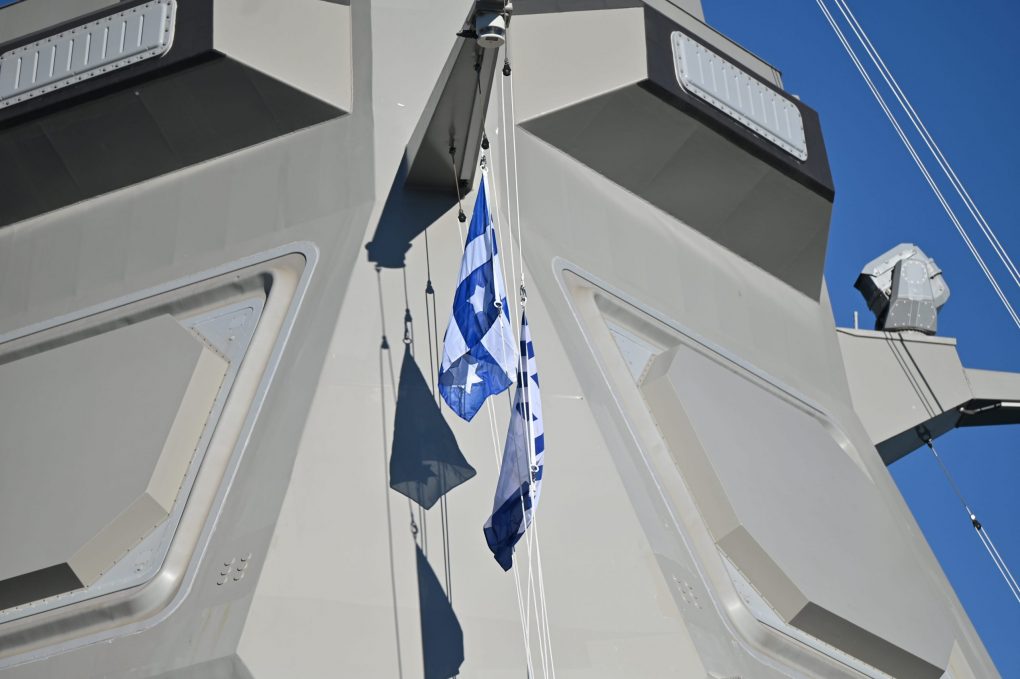
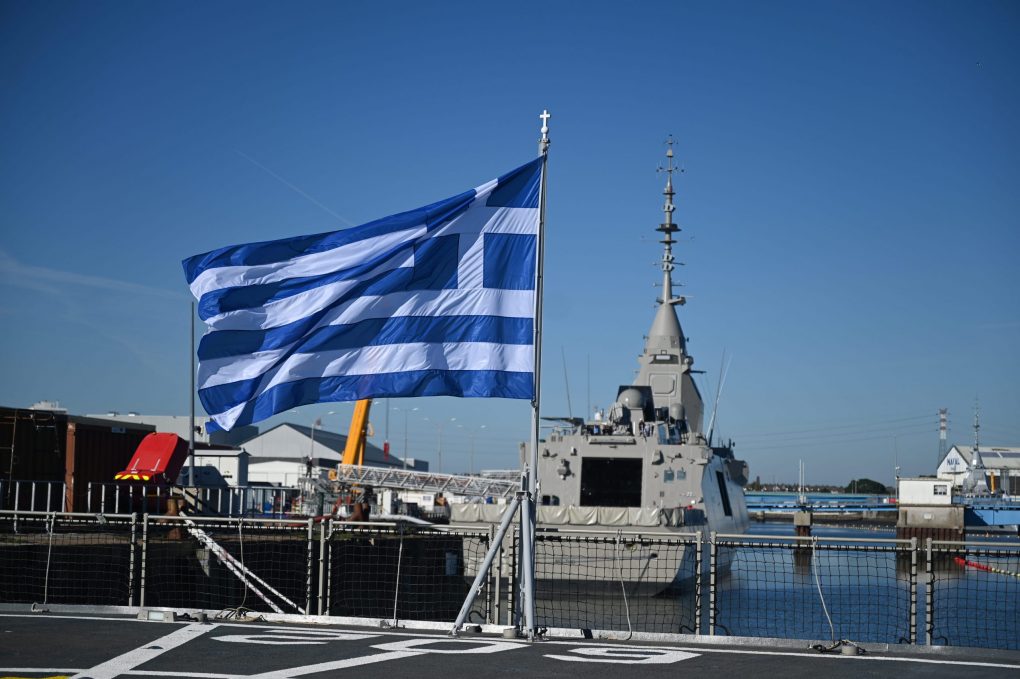
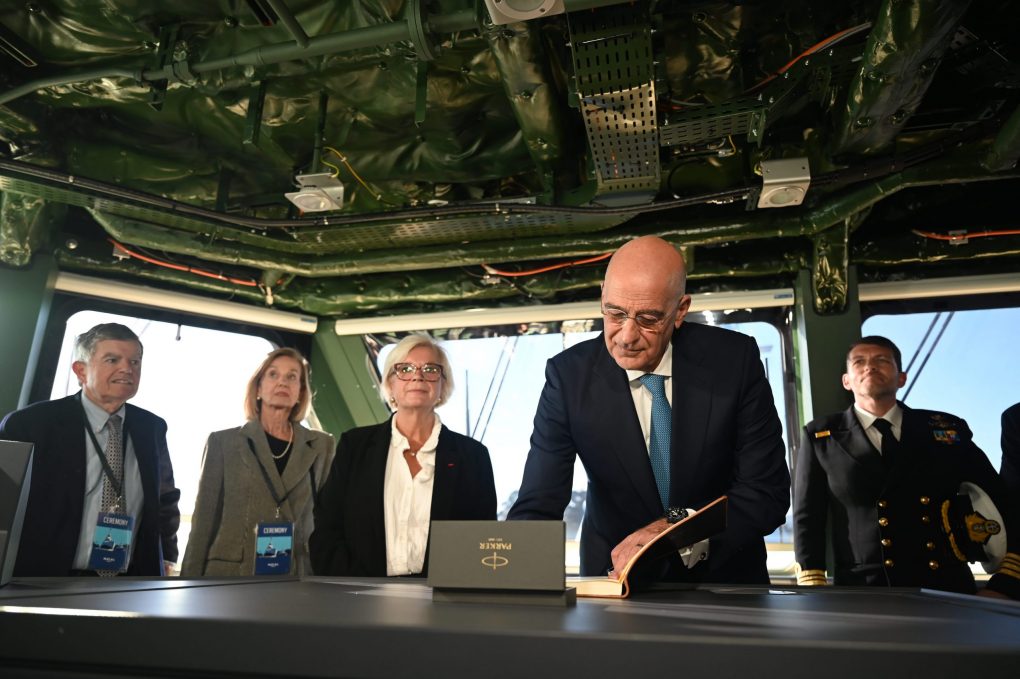
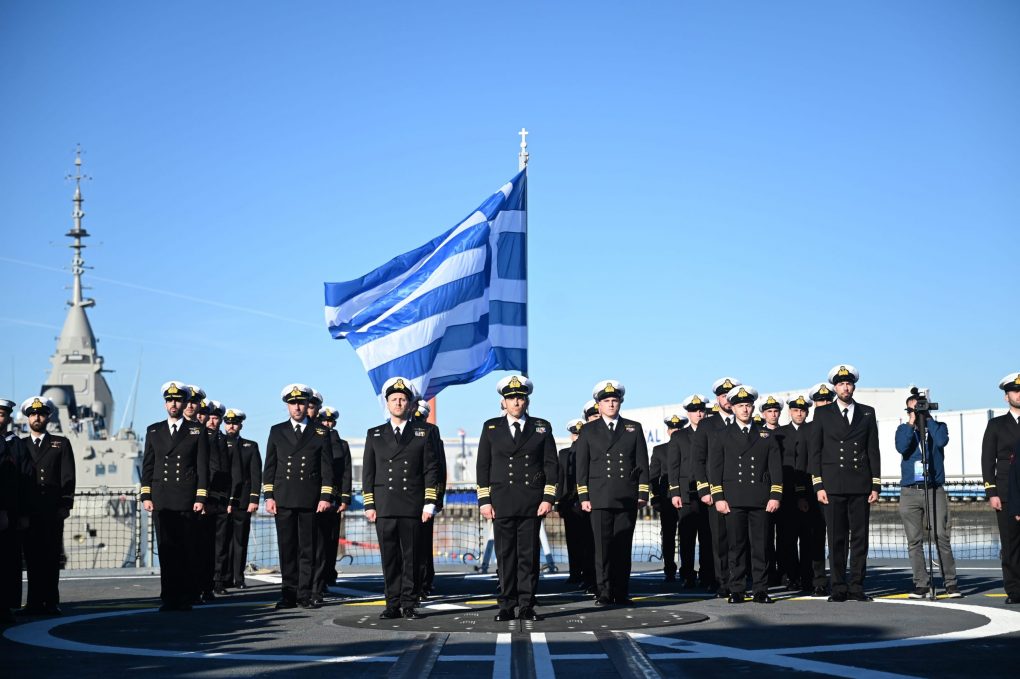
The ceremony followed an official reception for Dendias by Vautrin, a bilateral meeting and joint statements. At the shipyard, Metropolitan Dimitrios of France conducted a blessing before the Greek minister signed the decision formally incorporating Nearchos into the fleet. Athanasios Martinos served as the ship’s sponsor, with the naming ceremony followed by the raising of the national flag, the crew’s embarkation and the hoisting of the commissioning pennant. Senior military leaders, diplomats and industrial representatives from both countries attended, underlining the programme’s significance at government, armed forces and industry levels. The proceedings combined naval tradition with the practical transfer of a major new operational asset.
Nearchos follows HS Kimon, delivered in December 2025, while the third frigate, HS Formion, is scheduled for delivery before the end of 2026. If that timetable is maintained, three FDI frigates will have been transferred to the Hellenic Navy within approximately one year. Naval Group presented this delivery sequence as evidence of its ability to respond rapidly to naval requirements. Chairman and Chief Executive Officer Pierre Éric Pommellet thanked the company’s personnel, Greek and French industrial and institutional partners, and the Hellenic Navy’s crews for their contributions. He described the second delivery as a crucial milestone and expressed confidence that Nearchos would demonstrate capabilities supporting Greece’s operational strength at sea.
Dendias placed the acquisition within a longer development programme extending beyond the first three vessels. In his address, he stated that a fourth frigate, HS Themistocles, would be delivered in 2028 and that all four ships would be upgraded, in cooperation with Naval Group, to Standard 2+++ by 2030. According to the minister, this configuration would provide advanced air-defence, strategic-strike and platform-protection capabilities. These statements outline the government’s intended development path for the class, linking initial deliveries to subsequent improvements. The programme therefore represents both an immediate reinforcement of the fleet and a framework for expanding its capabilities through the remainder of the decade.
The minister connected these investments directly to Agenda 2030, describing the frigates as part of a broader effort to safeguard maritime routes, national sovereignty and sovereign rights in the Eastern Mediterranean. He also emphasised their European dimension, arguing that stronger Greek naval capabilities contribute to the protection of European interests and Mediterranean security. By the end of the decade, Dendias said, Greece envisages a navy with ten modern or modernised frigates, with the possibility of acquiring two additional vessels. This ambition extends beyond individual procurement decisions: it combines the introduction of new ships, the improvement of existing units and the development of a different operational approach.
A central element of that approach is the future integration of autonomous unmanned systems with the fleet’s modern crewed platforms. Dendias reiterated that such systems would cooperate with the warships Greece is acquiring, placing the FDI programme within a wider transition towards a hybrid naval force. His remarks did not specify particular unmanned platforms or integration schedules, but established a clear direction for future planning. The operational challenge will be to translate those ambitions into effective cooperation between ships, personnel and autonomous assets. In this context, Nearchos represents one component of a broader transformation whose success will depend on how new capabilities are incorporated into fleet operations.
Industrial cooperation provides another foundation for the programme, which began in 2022. According to Naval Group, more than 75 Greek companies participate in its FDI frigate and submarine programmes, contributing across a range of manufacturing and technology activities. Their involvement includes electronic maps produced in Greece, pre-outfitted blocks, and complex mechanical and electronic systems. This participation gives the Franco-Hellenic partnership an industrial dimension extending beyond the transfer of completed vessels. It also establishes relationships relevant to supporting the ships throughout their service lives. The significance of the programme consequently lies partly in the network of companies and technical capabilities associated with its delivery and continuing development.
Sustainment will be essential to converting fleet investment into dependable operational availability. The Hellenic Navy has entrusted Naval Group with the initial in-service support contract for its FDI frigates. Maintenance and upgrade activities will involve the company, its Greek subsidiary Naval Group Hellas and Greek industrial partners. Naval Group says this cooperation is intended to ensure high-quality maintenance and support the availability of the vessels. For Greece, the continuing relationship between the navy, the original shipbuilder and domestic partners will be important as additional frigates enter service. The delivery timetable attracts attention, but the effectiveness of the programme will also depend on sustained technical support over many years.
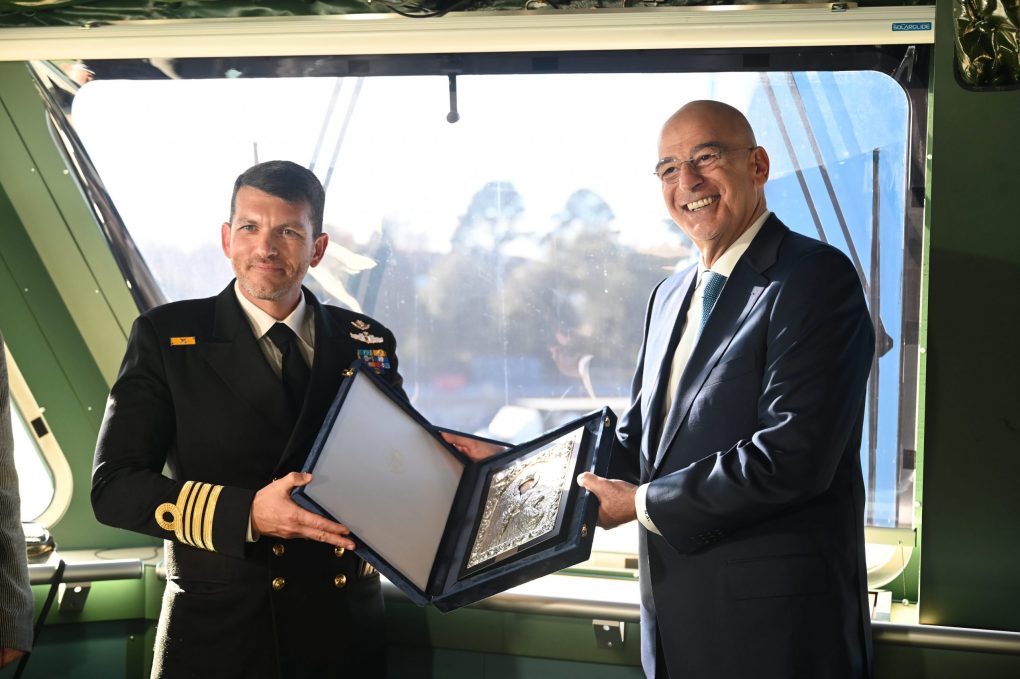
Dendias also stressed that the ship’s effectiveness ultimately depends on its crew. Addressing personnel, he praised their professionalism and conveyed favourable comments from the French side. He acknowledged concerns over remuneration and time away from home, expressing an intention to improve compensation through savings associated with the new force structure. He also highlighted the importance of avoiding service patterns exceeding 200 days at sea annually. These remarks recognised the human demands accompanying technological renewal. The visit concluded with the inauguration of a shipboard gymnasium donated by Martinos and the presentation of an icon of Saint Nicholas. As Nearchos joins Kimon, Greece’s fleet transformation advances through a combination of new platforms, industrial support and the personnel entrusted with turning capability into operational readiness.
Greek ceremony photographs: Directorate of Information / Hellenic Ministry of National Defence / Evangelos Karaiskos.
 Greek
 English