


Greece Opens Joint Training Centre for Unmanned and Autonomous Maritime Systems
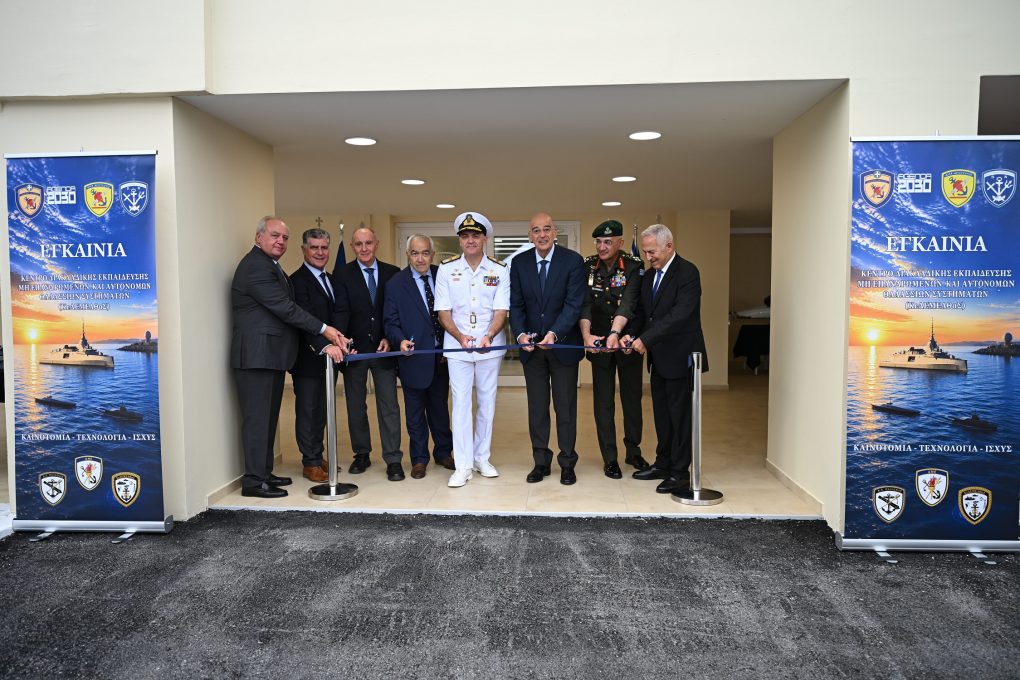
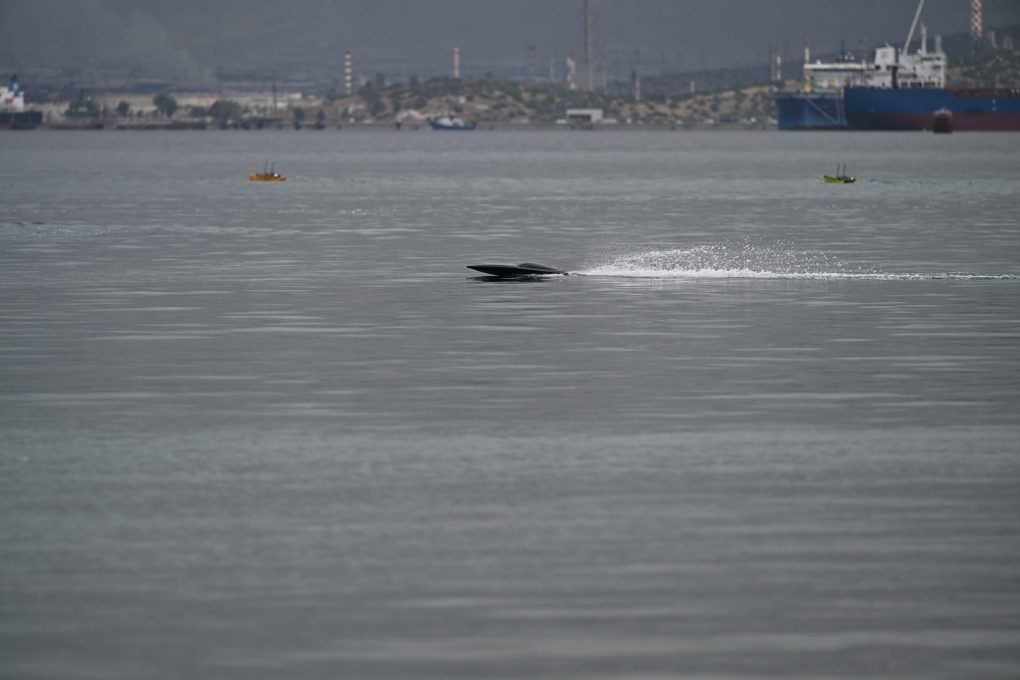
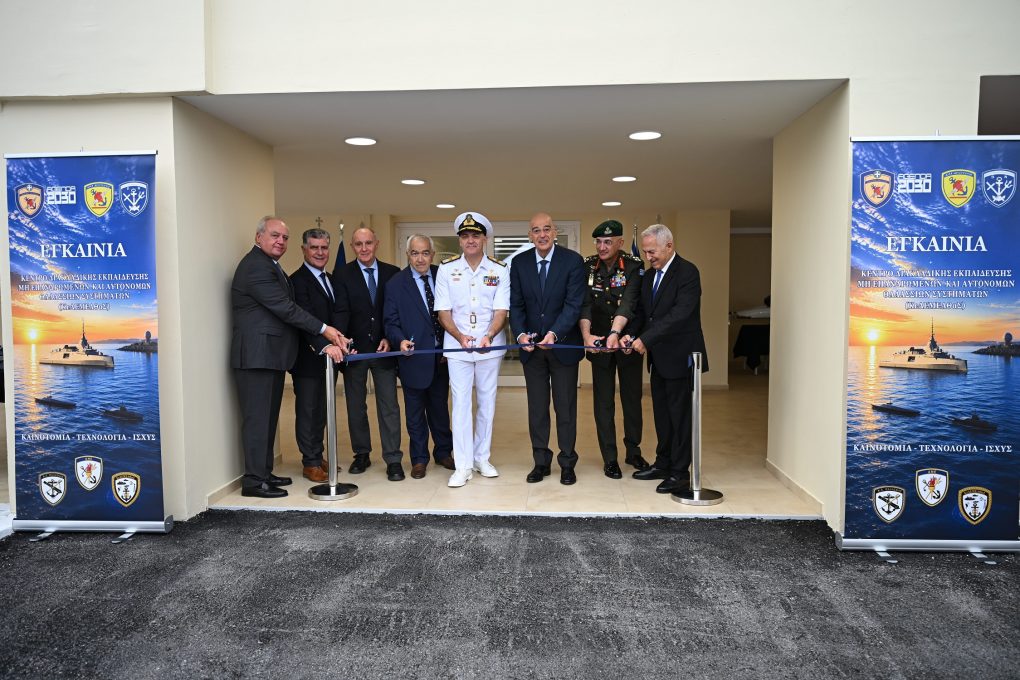
Greece inaugurated a Joint Training Centre for Unmanned and Autonomous Maritime Systems on 13 October 2026, expanding the training infrastructure supporting its armed forces’ technological modernisation. Located at the Palaskas Training Centre within the Kanellopoulos Naval Base in Skaramangas, the facility will support joint-service training in systems operating on and below the sea surface. Defence Minister Nikos Dendias attended the opening, which included equipment displays, simulator demonstrations and an operational scenario at the Naval Training Command’s maritime testing area. The centre forms part of the Ministry of National Defence’s Agenda 2030 reforms, linking changes in military organisation and education with the introduction of new technologies. Its establishment follows the laying of the foundation stone for the 309 Unmanned Systems Manufacturing Factory in June and the opening of a joint unmanned aircraft training centre in Tripoli in July.
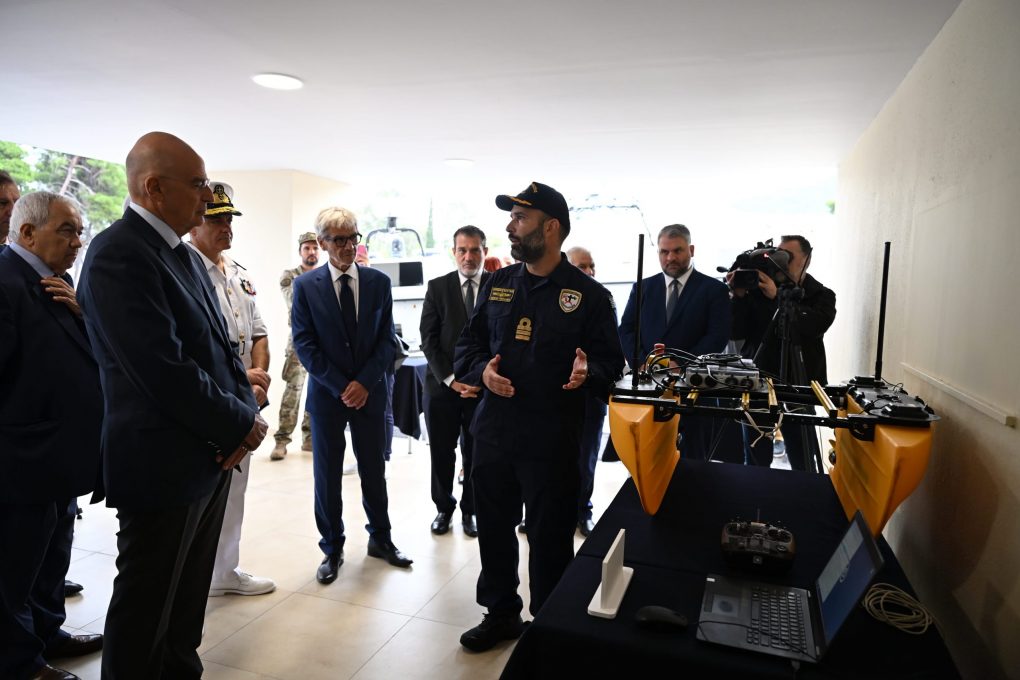
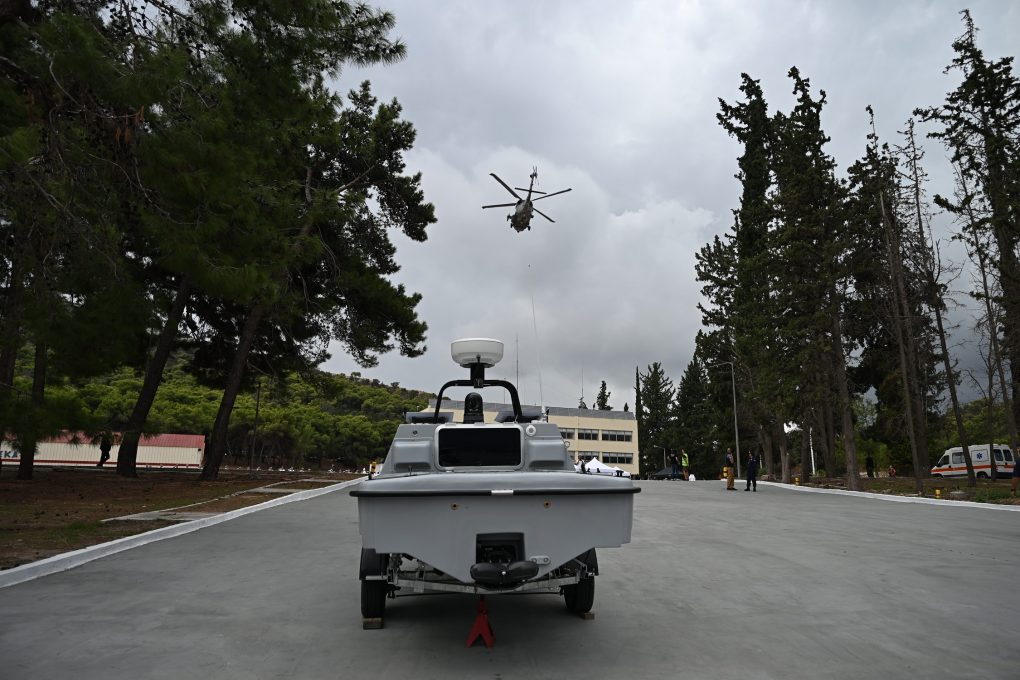
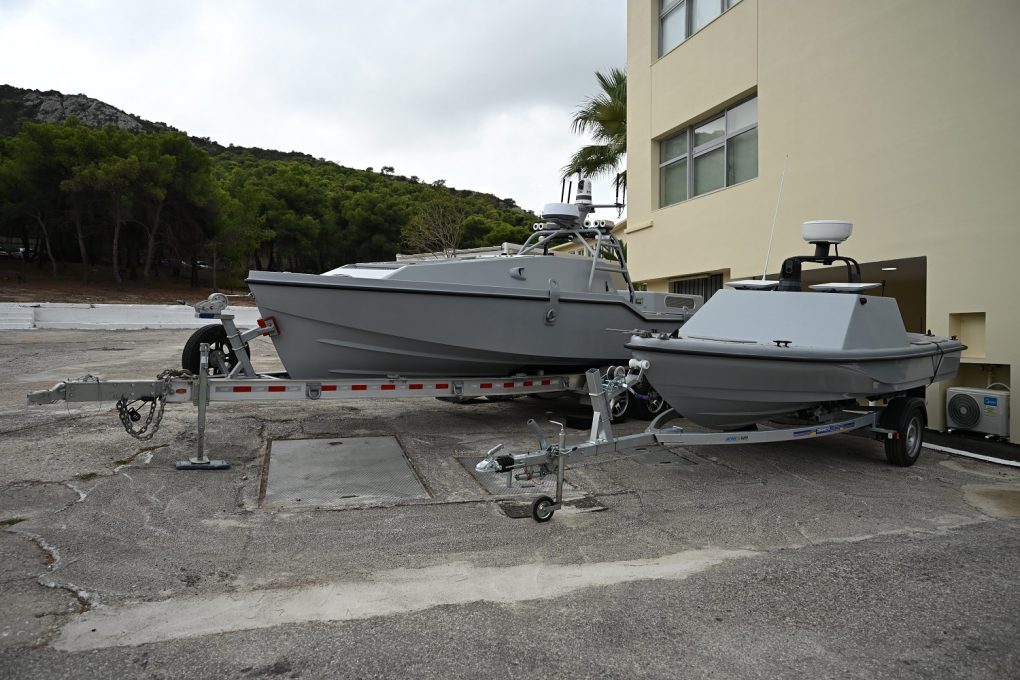
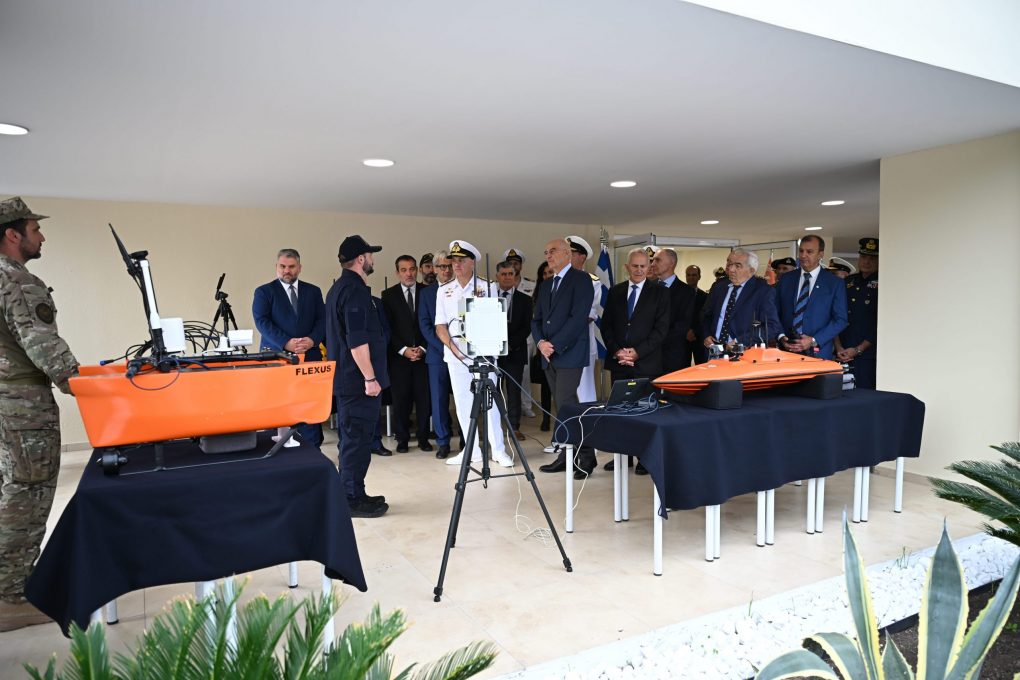
A central feature of the event was the presentation of Pyrpolitis, an unmanned surface vessel designed, developed and built entirely by the Hellenic Navy. According to Dendias, the vessel is intended to undertake intelligence collection, surveillance and reconnaissance, while also incorporating the ability to attack maritime targets. Its autonomous operating capabilities are in the final stage of testing. The minister identified production in substantial numbers as the next objective, alongside the gradual development of larger unmanned and autonomous maritime platforms. No production quantities or delivery timetable were specified. The static display also included the Corsair surface vessel and the Pluto Plus and Plutino underwater systems. Dendias additionally referred to a recently evaluated autonomous surface vessel with surveillance, reconnaissance and cooperative swarm capabilities, illustrating the range of technologies being examined for future naval use.
The operational roles outlined during the inauguration extended beyond conventional combat missions. Unmanned and autonomous systems are expected to contribute to maritime surveillance, reconnaissance, harbour protection, mine warfare and the security of underwater energy and communications infrastructure. Dendias highlighted their relevance to the Aegean’s archipelagic environment and argued that transferring some patrol and surveillance duties to these platforms could reduce the burden on fleet personnel and the time crews spend at sea. He also distinguished autonomous systems from remotely operated platforms, describing autonomy as a further technological step involving artificial intelligence under ultimate human control. These capabilities were presented as complementary to the navy’s crewed fleet and wider modernisation programme, rather than as an isolated acquisition effort.
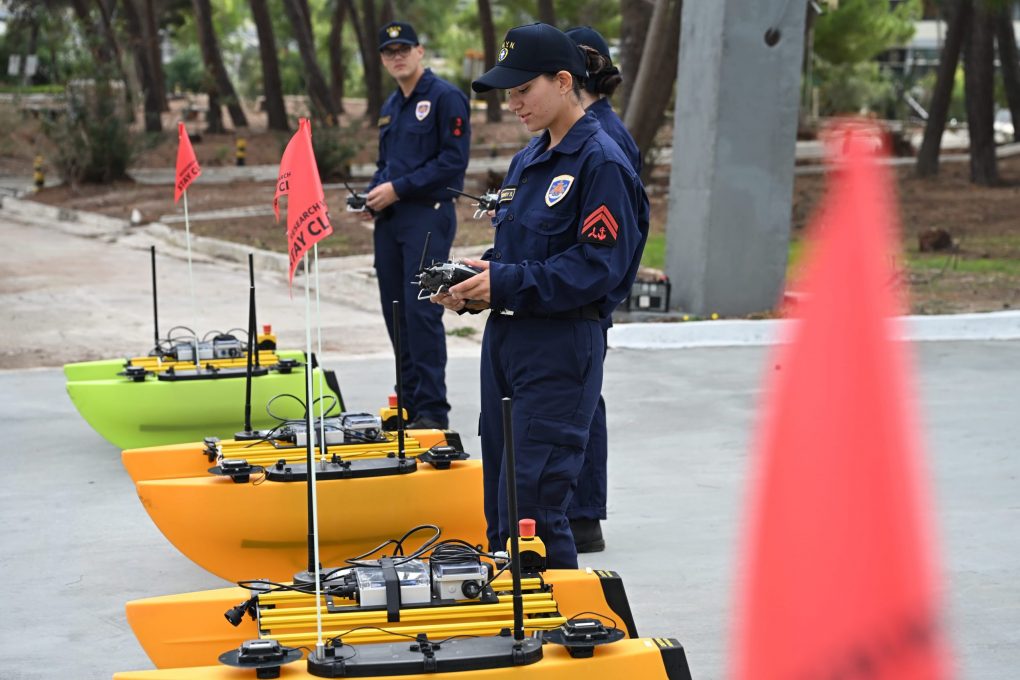
Training and technical support were prominent elements of the visit. Naval officers briefed the minister on joint-service instruction, maintenance, basic repairs and the procedures and equipment used for practical training. Demonstrations covered basic simulators and a maritime scenario involving unmanned surface and underwater platforms. The emphasis on these activities reflects the requirement to prepare personnel to operate and sustain new systems as they enter service. Alongside equipment procurement, Dendias stressed the importance of domestic design and manufacturing, arguing that Greece should develop its own systems while pursuing access to code and local production in acquisitions. He set out an ambition for Greece to become a leading European Union operator of autonomous vehicles by 2030 and for the Hellenic Navy to lead European development of autonomous maritime platforms. These remain policy objectives, with the new centre providing part of the educational and technical foundation needed to pursue them.
 Greek
Greek  English