4th International Maritime Defence Exhibition and Conference (IMDEC) 2025
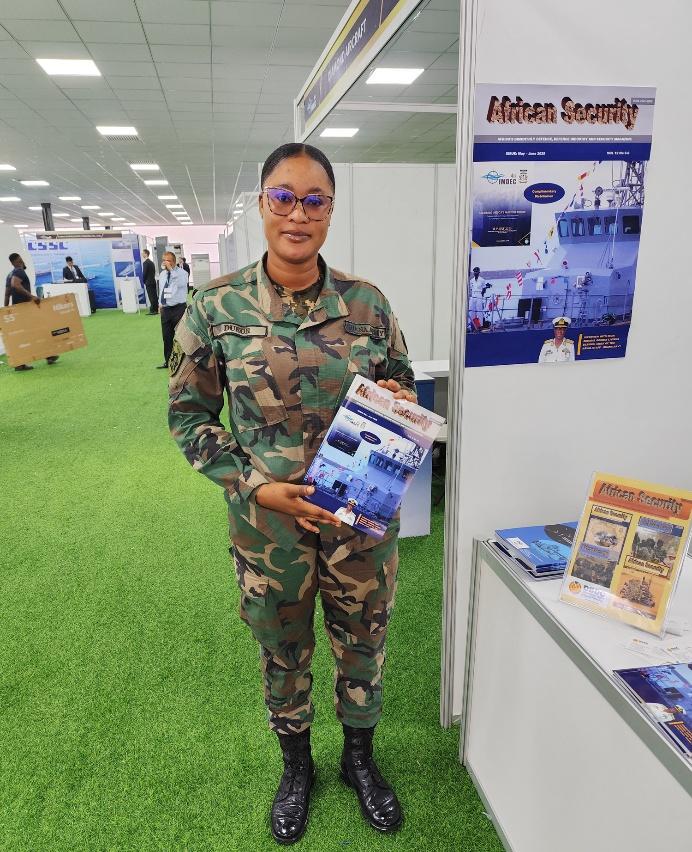
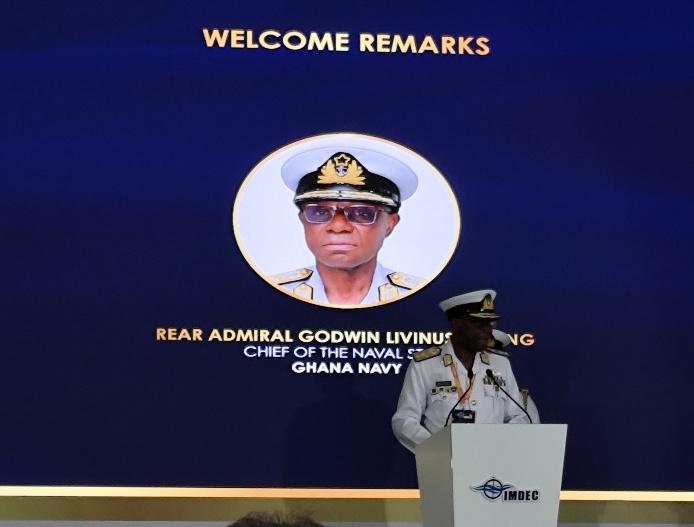
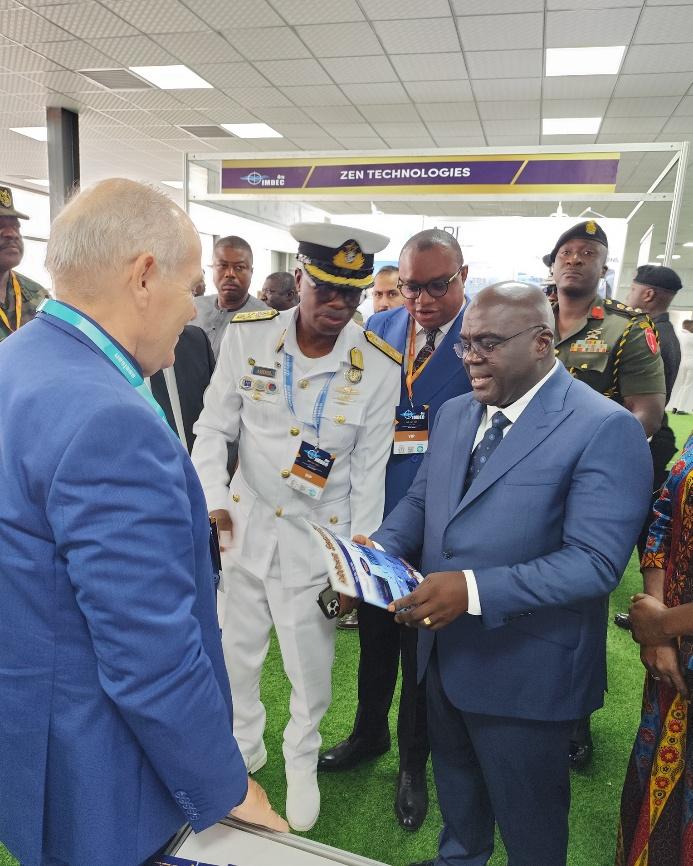
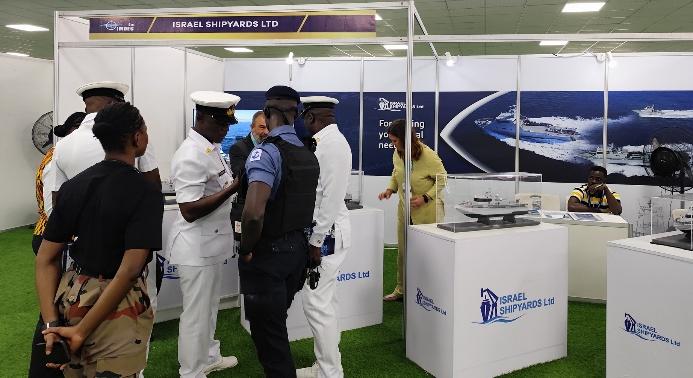
As an official media partner of the 4th International Maritime Defence Exhibition and Conference (IMDEC 2025), African Security Magazine was on the ground at Burma Hall in Accra to witness two pivotal days of dialogue, innovation, and collaboration dedicated to securing Africa’s maritime domain. With the theme “Securing Africa’s Maritime Future: Collaboration, Technology, and Sustainability in a Changing Geopolitical Landscape,” the event marked a significant step forward in Africa’s collective security agenda. Held on July 8–9, 2025, at Burma Hall, Ghana Armed Forces Headquarters in Accra, the 4th edition of the International Maritime Defence Exhibition and Conference (IMDEC 2025) emerged as a pivotal event in the continent’s ongoing effort to secure its maritime domain. Centered around the urgent theme “Securing Africa’s Maritime Future: Collaboration, Technology, and Sustainability in a Changing Geopolitical Landscape”, the conference brought together a diverse assembly of over 500 delegates, 20 Chiefs of Navies and Coast Guards from 27 countries. These included senior military officials, ministers, Senior Navy officers, defense industry leaders, maritime experts, and key stakeholders from across Africa and beyond. IMDEC 2025 reaffirmed its position as Africa’s leading platform for maritime security dialogue and naval cooperation. The strategic importance of the event was underscored by its location—Accra, Ghana—adjacent to the Gulf of Guinea, a region that remains one of the world’s most dangerous maritime zones due to persistent threats like piracy, illegal fishing, smuggling, drug trafficking, and other forms of transnational crime. These issues, though somewhat reduced in recent years, continue to endanger the safety, sovereignty, and economic viability of nations that rely heavily on maritime trade and resources. The conference emphasized that addressing such threats requires more than national solutions; instead, it calls for regional collaboration, enhanced naval interoperability, and sustained international partnerships. In his opening remarks, Rear Admiral Godwin Livinus Bessing, Chief of Naval Staff of the Ghana Navy, welcomed delegates and stressed that although Ghana’s waters have seen relative calm since 2021, a recent piracy incident involving the kidnapping of crew members aboard a Ghanaian-flagged fishing vessel just 16 nautical miles off Accra highlighted the continued vulnerability of African maritime zones. This incident served as a timely and sobering reminder of the dangers that persist offshore, prompting urgent calls for enhanced readiness and cooperation. Rear Admiral Bessing praised past and ongoing regional efforts, including joint patrols, enhanced port security, rapid naval responses, and the use of the Yaoundé Architecture Regional Information System (YARIS), which have contributed to improvements in maritime coordination and intelligence sharing. He highlighted that IMDEC 2025 sought to build on the foundation laid in previous editions, particularly IMDEC 2023, which emphasized regional naval cooperation—and move discussions from verbal commitments to concrete actions, especially in the face of growing global geopolitical complexity and technological advancement. Hon. Julius Debrah, Chief of Staff to the President of the Republic of Ghana and Guest of Honour, echoed these sentiments in his keynote address. He pointed out that the threats confronting African waters are multi-layered and ever evolving. Illegal, unreported, and unregulated (IUU) fishing remains a chronic problem, draining billions in potential revenue. Piracy, especially in the Gulf of Guinea, while slightly declining due to collective interventions, continues to pose a grave risk to merchant shipping and offshore operations. He added that Africa’s maritime challenges are further compounded by geopolitical rivalries, environmental degradation, weak enforcement capacities, and technological gaps. Debrah urged participants to embrace the power of technology and innovation to combat maritime threats, emphasizing the role of advanced surveillance systems, autonomous maritime vehicles, cybersecurity infrastructure, and intelligence-driven maritime operations. These tools, he noted, were not only essential for threat detection and interdiction but also for deterrence and long-term stability. He referred to IMDEC 2023’s resolutions that advocated for stronger integration of technology into regional security frameworks and stressed the need to implement those proposals effectively. The conference featured a blend of high-level panels, technical workshops, bilateral meetings, and an international exhibition. The exhibition showcased the latest innovations in naval defense—from patrol vessels and drones to integrated surveillance systems and port security technologies. Over 40 global defense and maritime companies participated, offering region-specific solutions that aimed to modernize African fleets and boost coastal monitoring capabilities. Demonstrations of unmanned systems and new cybersecurity tools drew significant attention, reflecting a shift in focus toward smarter, leaner, and more adaptive maritime forces.
A recurring theme throughout the two-day conference was the centrality of the blue economy to Africa’s future. Speakers emphasized that the continent’s waters are not just security frontlines but also engines of economic development. From oil and gas extraction to shipping lanes, fisheries, and undersea infrastructure, Africa’s economic growth and integration heavily depend on a safe and secure maritime environment. This necessitates not just military strength but also sustainable management practices, environmental stewardship, and investment in maritime education and research. Many panel discussions stressed the importance of inclusivity and partnership. Cooperation between African navies, coast guards, regional bodies such as ECOWAS and the African Union, and global actors was deemed essential. Participants called for increased intelligence sharing, harmonized laws, joint training exercises, and coordinated operations, particularly under frameworks like the Yaoundé Code of Conduct. They also underscored the need for African-led solutions supported by international allies, instead of over-reliance on foreign interventions. Youth involvement, capacity building, and professional training also featured prominently in several sessions. Maritime institutions were encouraged to invest in nextgeneration leadership, research, and education. It was recognized that sustainable maritime security hinges not just on equipment and strategies, but also on cultivating skilled personnel who understand both the threats and opportunities of Africa’s vast maritime spaces. Another key issue addressed was environmental protection and the growing threat of climate change. Rising sea levels, coastal erosion, and marine pollution were identified as factors that not only threaten coastal communities but also undermine maritime infrastructure and increase vulnerability to insecurity. In this context, sustainability was framed not just as an ecological imperative but also as a strategic dimension of security. Technological solutions must therefore integrate sustainability, and naval operations should adopt greener, more efficient practices. In conclusion, IMDEC 2025 succeeded in advancing both strategic dialogue and practical solutions toward securing Africa’s maritime future. It underscored the need for an integrated approach—one that combines military readiness with technological innovation, regional cooperation, sustainable development, and inclusive governance. The strong participation from African and international stakeholders, as well as defense industry partners, highlighted the urgency and shared responsibility of securing Africa’s waters in an increasingly complex and interconnected world. Rear Admiral Bessing closed the conference by reaffirming Ghana’s commitment to regional maritime security and urging all participants to turn their conversations into coordinated actions. The success of IMDEC 2025 was measured not only by the knowledge shared and innovations displayed, but by the renewed sense of urgency and unity in confronting Africa’s maritime challenges head-on. With its focus on collaboration, technology, and sustainability, IMDEC 2025 laid a compelling roadmap for the future—one where Africa’s seas become zones of peace, prosperity, and progress.
© Photo Credits DBDC