


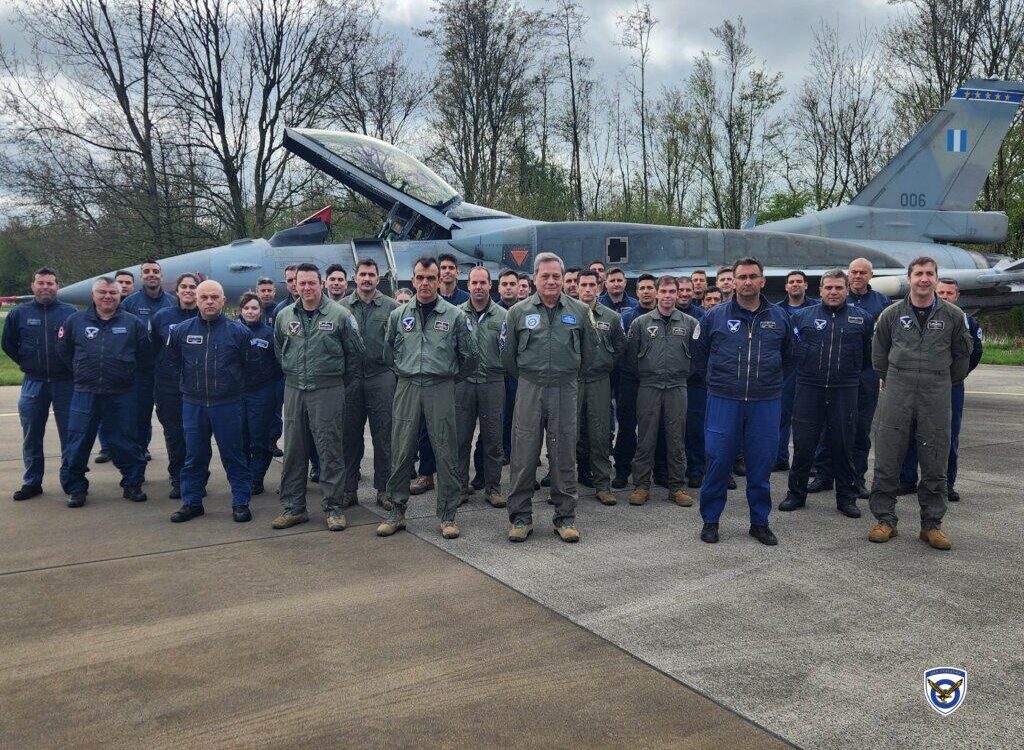
Hellenic Air Force, Modernizing for Strategic Edge
The Hellenic Air Force (HAF) has entered a critical phase of modernization and procurement to adapt to a rapidly evolving regional security environment, modernizing aging equipment, and enhancing interoperability with key allies. Greece’s defense investments—spanning fifth-generation fighters, tactical transport aircraft, helicopters, early warning systems, and advanced air defenses—signal a robust commitment to maintaining operational readiness and reinforcing its role in NATO’s southeastern flank.
F-35 Acquisition: A Leap into the Fifth Generation
At the heart of Greece’s air procurement strategy lies its decision to join the F-35 Lightning II program. The U.S. State Department approved a Foreign Military Sale (FMS) of up to 40 F-35A aircraft in January 2024, a deal estimated at €8.6 billion. This marked a strategic shift, aligning the HAF with several other NATO and European air forces transitioning to fifth-generation platforms. Greece signed a Letter of Acceptance (LOA) for the first 20 F-35As on July 25, 2024. Deliveries are scheduled to begin in 2028, with the jets initially stationed in the U.S. for the training of Greek pilots and maintenance personnel. A follow-on order for another 20 aircraft is anticipated, allowing Greece to eventually field two full squadrons.
The F-35 program complements Greece’s shift toward a network-centric air combat force, offering stealth, sensor fusion, and enhanced interoperability with allied air forces—a crucial capability as regional tensions in the Eastern Mediterranean persist.
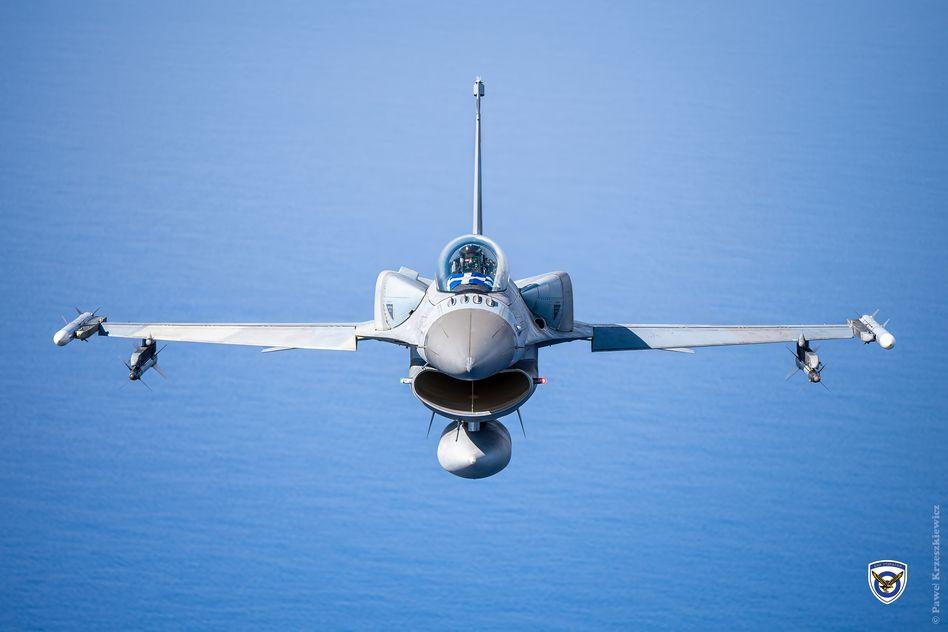
F-16V Upgrades: Keeping the Workhorse Relevant
While preparing for the F-35’s arrival, the HAF is actively upgrading its current fleet of F-16C/Ds. Out of over 100 aircraft in service, 84 are undergoing modernization to the F-16V “Viper” configuration. This variant includes AESA radar, upgraded avionics, and improved survivability—effectively extending the combat relevance of the F-16 well into the next decade.
In November 2024, a $160 million engine support package was approved by the U.S., further reinforcing Greece’s commitment to keeping the F-16 fleet mission-capable. This dual-path strategy—retaining capable fourth-generation fighters while inducting fifth-generation platforms—ensures operational continuity during the transition.
Rafales and Legacy Fighters
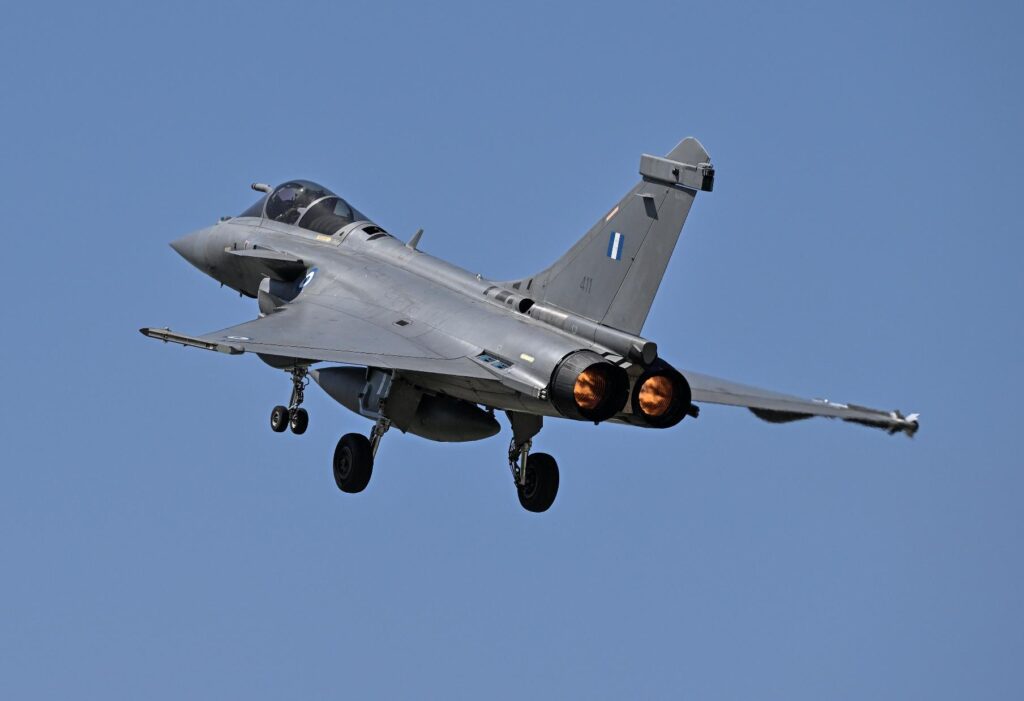
In addition to the F-16s and F-35s, the HAF is operating 24 Dassault Rafale fighters—delivered in batches from 2021 to January 2025. This mix of new and second-hand aircraft adds considerable multirole firepower to the fleet.
With advanced sensors and the ability to carry cutting-edge weapons like the Meteor air-to-air missile, the Rafale
gives Greece a technological edge over older regional rivals.
© HAIF
Airborne Early Warning and Control
The HAF operates four EMB-145H Erieye AEW&C aircraft, which play a vital role in airspace surveillance and battle management. These platforms are scheduled for upgrades to enhance radar capability, communications, and interoperability with NATO assets. AEW&C modernization is a high priority in Greece’s defense roadmap.
Air and Missile Defense: Achilles’ Shield
Greece is advancing plans to develop a comprehensive integrated air and missile defense system dubbed “Achilles’ Shield,” with a projected cost of $2 billion. The objective is to replace aging Russian systems and improve defense against aerial threats including drones, cruise missiles, and ballistic missiles.
Discussions are ongoing with Israel and Germany. Diehl Defence is proposing its IRIS-T SLS system to replace Greece’s short-range Soviet-era systems (9K33 Osa-M and 9K331 Tor-M1). Meanwhile, Israel Aerospace Industries’ Barak MX has emerged as the front-runner to replace Greece’s I-HAWK and S-300PMU1 systems.
The Barak ER variant, with its extended range and modern radar integration, could offer a robust long-range defense layer, while the IRIS-T SLS and modernized PATRIOT batteries would form part of a multi-tiered air defense shield.
Greece’s interest in acquiring Israeli-made air defense systems highlights its strategic push to bolster national security in the face of evolving regional threats. As part of its goal to develop a multi-layered air defense system, Greece aims to counter both enemy jets and low-level drones. Israel, with its extensive experience and advanced defense technologies, is well-positioned to meet Greece’s requirements. Israel’s defense industry offers a variety of air defense systems that cater to different threat levels. For example:
- Iron Dome (developed by Rafael Advanced Defense Systems) is a short-range system primarily designed to intercept rockets and small drones. This system is also set to incorporate laser air defenses, enhancing its capabilities.
- David’s Sling, also from Rafael, is a medium-range system designed to intercept missiles at longer distances. It has already been sold to Finland and is well-suited for Greece’s defense needs.
- The Spyder system, another offering from Rafael, is capable of defending against aircraft and a variety of other aerial threats.
- Arrow, an exoatmospheric defense system developed by Israel Aerospace Industries (IAI) in collaboration with the US, is designed for intercepting ballistic missiles at high altitudes. It has been sold to Germany, among others.
- Barak, another air defense system from IAI, provides an additional layer of protection against aerial threats.
- IAI’s Elta division also manufactures air defense radars, which are integral to systems like Iron Dome. These radars have been sold to countries such as the Czech Republic and Slovakia.
Other future procurement projects
The Hellenic Air Force plans to expand its arsenal with weapons such as the AIM-120D AMRAAM, AGM-158 JASSM (1,000 km range), Harpoons, Rampage, and SPICE. The Air Force is also exploring options for adding custom systems similar to those integrated by Israel, pending necessary approvals. The Hellenic Air Force is planning to adopt new active interference systems, including active decoys and GPS jammers, to enhance aerial warfare capabilities. Hellenic Airforce is also interest in acquiring four Boeing KC-135 Stratotankers from the U.S. in 2025, requesting that they be transferred directly without downtime in storage. He highlighted the operational benefits of tanker aircraft for longer-range missions, such as recent exercises in India.
Challenges and Strategic Implications
Despite impressive strides, Greece’s procurement plans face challenges. Budget constraints, logistics, and the integration of new technologies require careful
management. The simultaneous modernization of fighter fleets, transport aircraft, and air defense systems places considerable pressure on personnel and infrastructure.
However, these investments are strategically vital. They improve Greece’s deterrence posture against regional adversaries and allow for deeper integration with NATO operations. The acquisition of F-35s, in particular, enhances strategic reach and intelligence-sharing capabilities.
Furthermore, with increasing instability in the Eastern Mediterranean and wider Middle East, a modernized HAF serves as a key pillar in Greece’s national security strategy and European defense.
The Hellenic Air Force’s modernization program reflects a comprehensive transformation effort aimed at reshaping its airpower for the 21st century. From acquiring fifth-generation fighters and new transport aircraft to enhancing air defenses and pilot training, Greece is making substantial investments in military readiness and resilience.
These moves not only safeguard national interests but also reinforce Greece’s standing as a capable NATO ally and a stabilizing force in a volatile region. With continued political support, international cooperation, and sustained investment, HAF is poised to become one of the most advanced air forces in southeastern Europe.
 Greek
Greek  English