



Cyprus Defence Minister Vasilis Palmas Highlights 2025 Progress and Sets 2026 Priorities
Cyprus Minister of Defence Vasilis Palmas has outlined a comprehensive roadmap for strengthening the country’s defence posture, presenting both a detailed review of 2025 achievements and the strategic priorities for 2026. Speaking during a press briefing on 23 March 2026, the Minister emphasised that Cyprus is adapting its defence policy to an increasingly complex and volatile geopolitical environment in the Eastern Mediterranean and beyond.
Palmas highlighted that 2025 was characterised by major geopolitical transformations, including the escalation of ongoing conflicts, shifting alliances, and a broader restructuring of the global security architecture. Within this context, Cyprus continues to face persistent challenges, particularly due to the prolonged Turkish occupation and regional instability across the Eastern Mediterranean and the Middle East. These developments, he noted, have reinforced the need for continuous adaptation and strengthening of national defence capabilities.
At the core of the Ministry’s strategy is the enhancement of deterrence and operational readiness. Cyprus’ defence policy is structured around three main pillars: strengthening defence and security capabilities, advancing environmental sustainability, and accelerating digital transformation across defence structures.
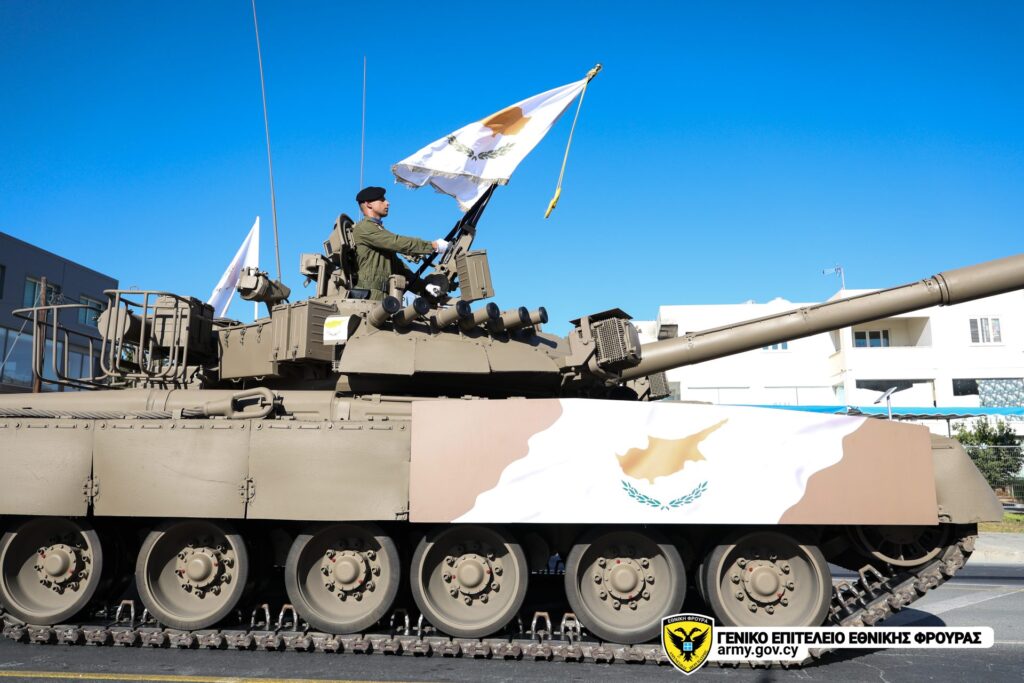
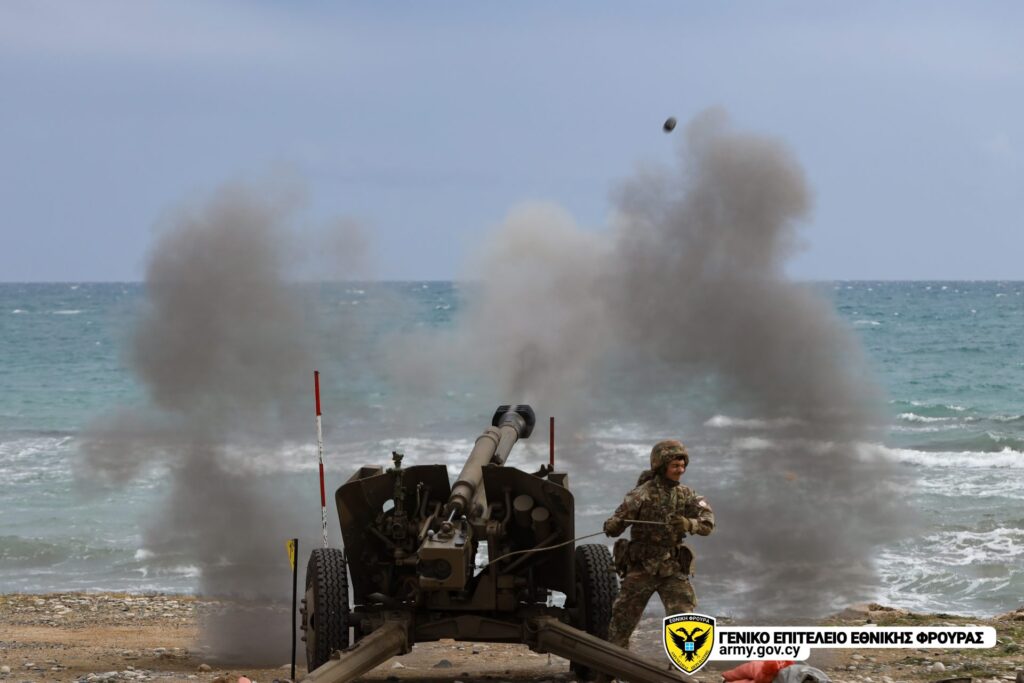
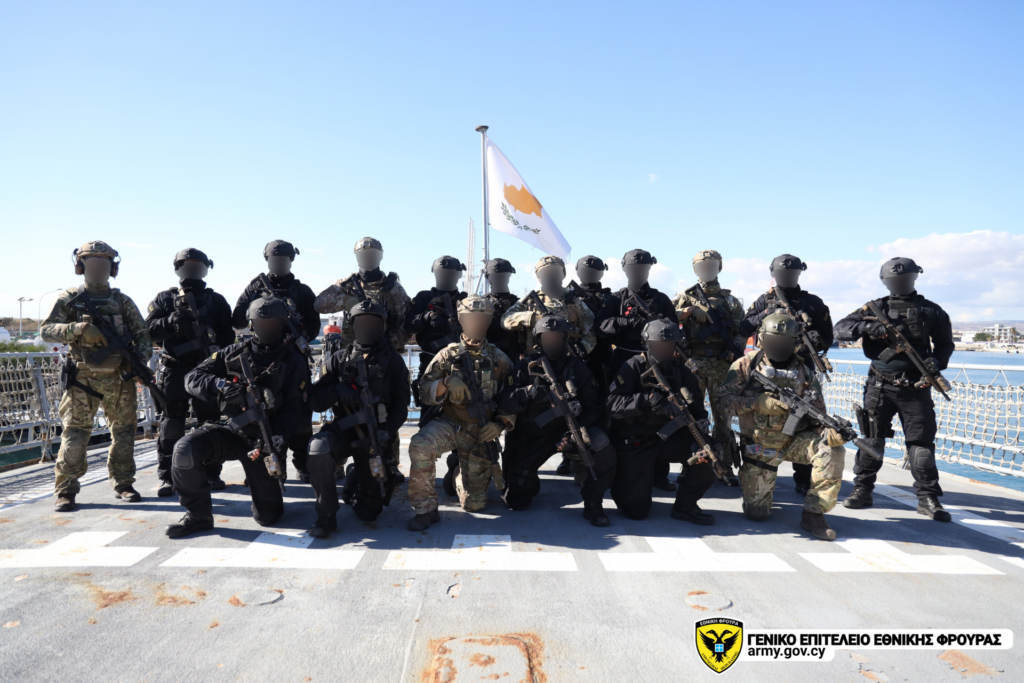
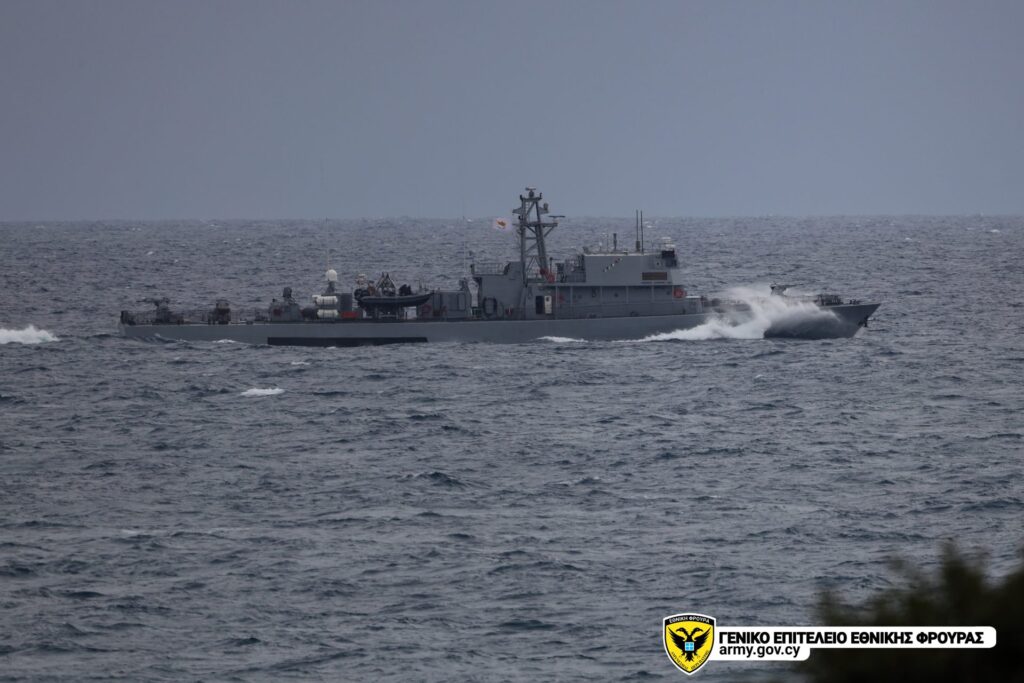
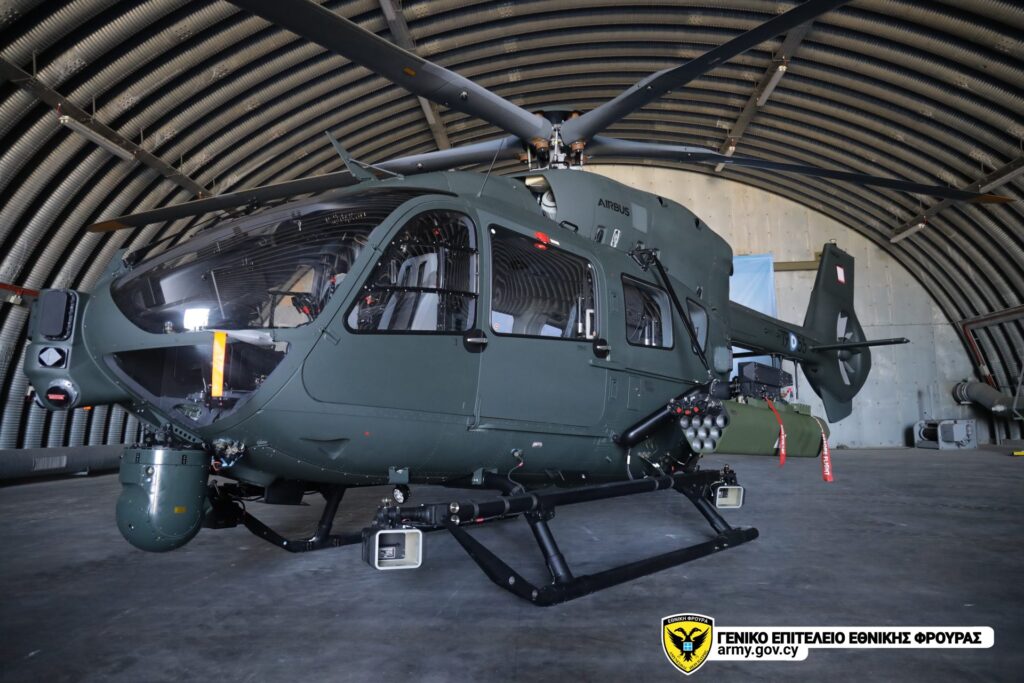
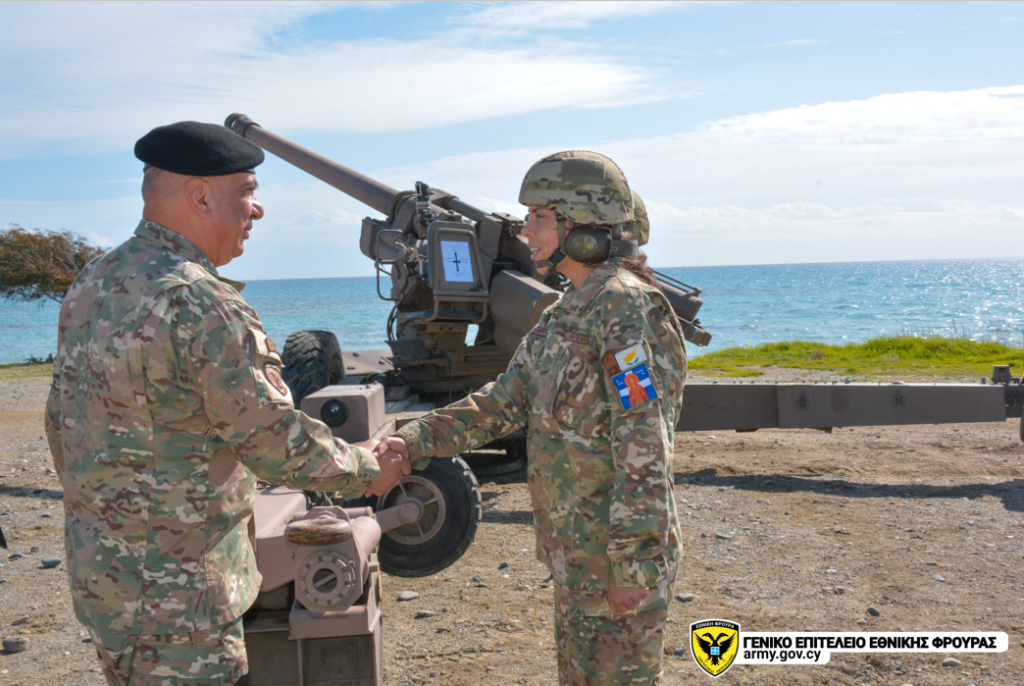
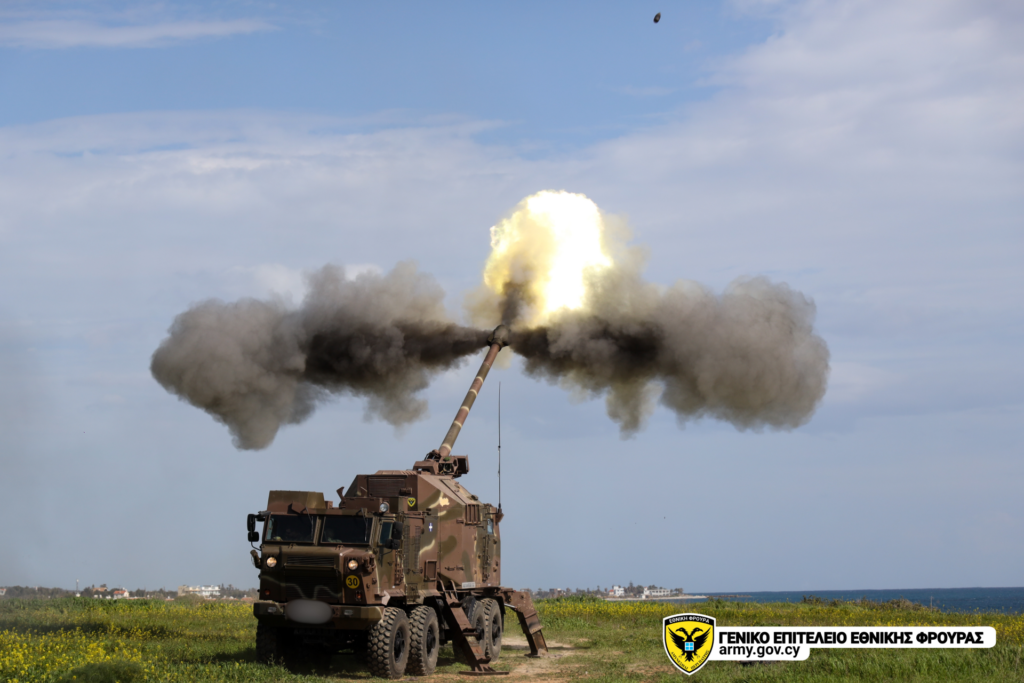
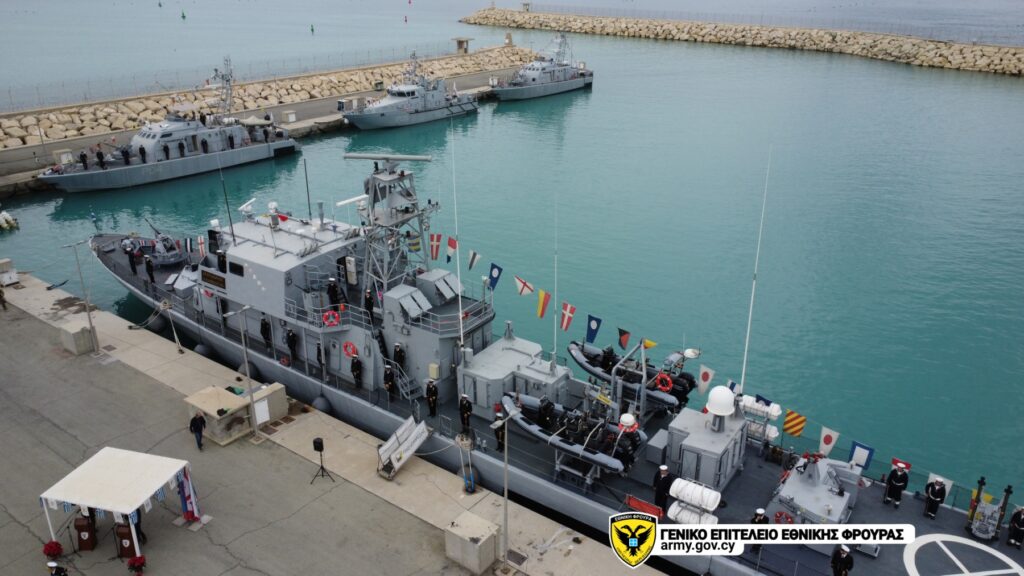
Significant progress was reported in the modernisation of the National Guard. Efforts during 2025 focused on increasing ammunition stockpiles, strengthening land and special forces capabilities, and enhancing surveillance and reconnaissance systems across both ground and air domains. At the same time, the digitalisation and modernisation of naval command-and-control systems have been prioritised, improving situational awareness and operational coordination.
Infrastructure development also remains a key priority. Plans are underway to upgrade critical military facilities, including the “Evangelos Florakis” Naval Base at Mari and the “Andreas Papandreou” Air Base at Paphos, reflecting both operational requirements and Cyprus’ growing role as a regional security partner.
International defence cooperation continues to play a central role in Cyprus’ strategy. Relations with Greece remain at an exceptionally high level, with recent deployments of Greek naval and air assets underscoring the depth of bilateral defence ties. At the same time, Cyprus is expanding its network of partnerships through bilateral, trilateral, and multilateral frameworks involving countries such as Israel, Egypt, Jordan, Armenia, and emerging cooperation initiatives with Serbia, the United Arab Emirates, and India.
Strategic cooperation with the United States is also being significantly strengthened. Through participation in the State Partnership Program, Cyprus has institutionalised regular joint exercises and defence dialogue. Engagement with US defence mechanisms, including the Foreign Military Sales (FMS) and Excess Defense Articles (EDA) frameworks, is ongoing, supporting capability development aligned with operational needs.
Within the European framework, Cyprus continues to actively participate in key defence initiatives, including PESCO, European Defence Agency programmes, and joint procurement mechanisms. The country is also contributing to EU missions such as EUNAVFOR ASPIDES in the Red Sea and EUMAM Ukraine, as well as UN peacekeeping operations including UNIFIL in Lebanon.
A major development highlighted by the Minister is Cyprus’ participation in the EU SAFE financial instrument, with approved funding of €1.18 billion for defence acquisitions. This investment is expected to play a crucial role in addressing capability gaps and strengthening the National Guard over the coming years.
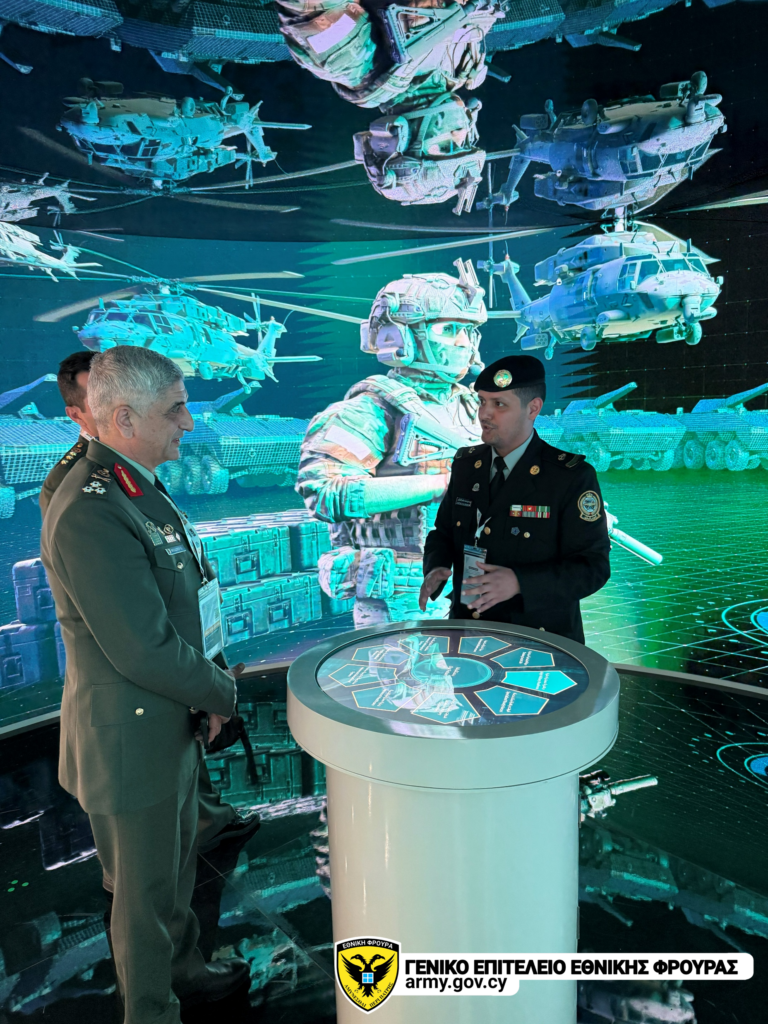
Parallel to operational enhancements, the Ministry is placing strong emphasis on the development of the domestic defence industry. Initiatives include the establishment of the Cyprus Defence Industry Council, support for local companies’ participation in international defence programmes, and the development of a National Defence Industry Strategy with the support of the European Commission’s DG REFORM. Cyprus has also maintained an active presence in international defence exhibitions such as DEFEA 2025, with further participation planned for Eurosatory 2026.
Research and innovation remain key drivers of capability development. Cyprus is currently supporting multiple defence-related research projects under European frameworks, while new dual-use technology initiatives funded through the Recovery and Resilience Facility are underway. These efforts aim to strengthen technological autonomy and enhance the country’s defence innovation ecosystem.
In the field of search and rescue, Cyprus continues to develop its capabilities with the ambition of becoming a regional hub. During 2025, the Joint Rescue Coordination Centre conducted 78 operations, successfully rescuing 198 individuals. The centre also played a key role in humanitarian operations, including evacuation missions linked to regional crises.
Cybersecurity has also been strengthened, with the completion of penetration testing and risk assessments across the Ministry’s networks, alongside the deployment of advanced monitoring systems for early detection of cyber threats.
Legislative reforms have further supported defence modernisation. Measures include improved insurance and allowance frameworks for personnel engaged in high-risk duties, as well as significant reforms to the system governing contract soldiers (SYOP), including extended service duration, enhanced career progression opportunities, and increased financial benefits.
Environmental sustainability has also been integrated into defence planning. Programmes for energy efficiency, waste management, and recycling are being implemented across military installations. Notably, €19 million in EU funding has been secured for the installation of photovoltaic systems across National Guard camps, contributing to energy independence and reduced carbon emissions.
Digital transformation initiatives are also advancing, with the development of new e-government services aimed at reducing bureaucracy and improving efficiency in recruitment, conscription management, and personnel administration.
Looking ahead, the Ministry has identified several flagship priorities for 2026. These include advancing the expansion of the Mari naval base, upgrading air base capabilities, enhancing reserve forces through new equipment procurement, and implementing the National Defence Industry Strategy. The Ministry also aims to fully utilise the EU SAFE funding instrument, with implementation planned through to 2030.
Cyprus’ upcoming Presidency of the Council of the European Union will further shape its defence agenda. Priorities will include support for Ukraine, strengthening the European defence industry, enhancing maritime security, and improving capabilities for humanitarian and evacuation operations. The advancement of the EU’s Military Mobility framework has also been identified as a key enabler of effective defence and deterrence.
Overall, the strategic direction outlined by Minister Palmas reflects Cyprus’ ambition to strengthen its defence capabilities, deepen international partnerships, and position itself as a reliable security contributor in the Eastern Mediterranean and the broader European framework.
 English
  Greek
Greek