


AAD 2026 Reinforces Africa’s Role in Global Defence and Aerospace Cooperation
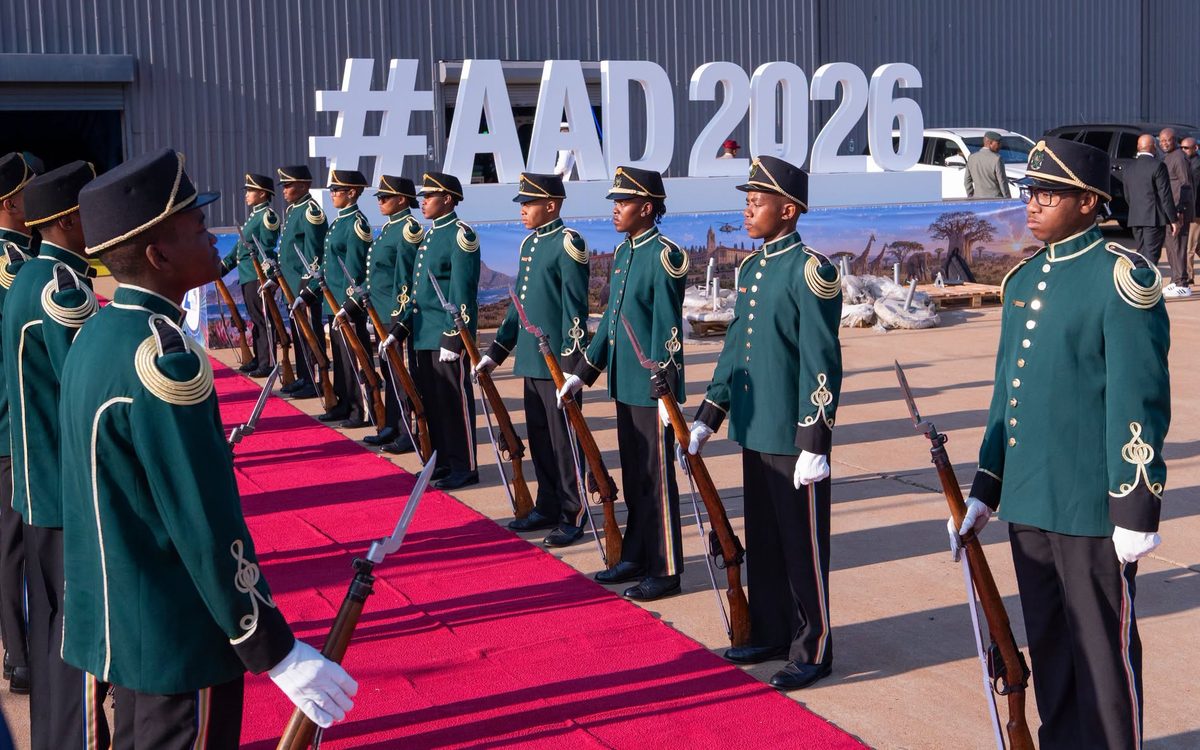
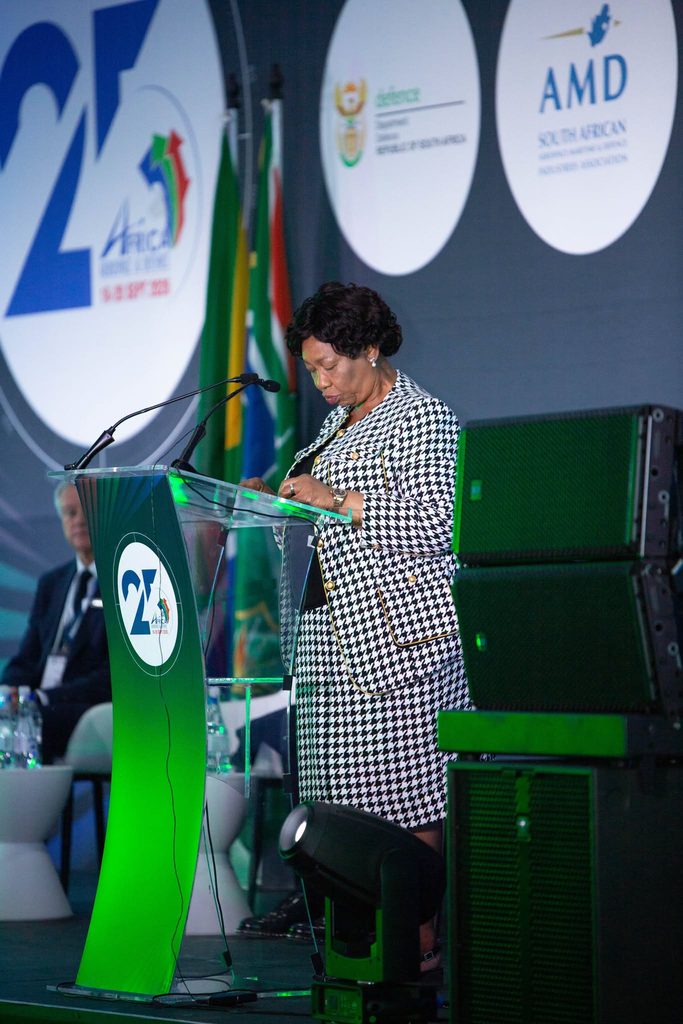
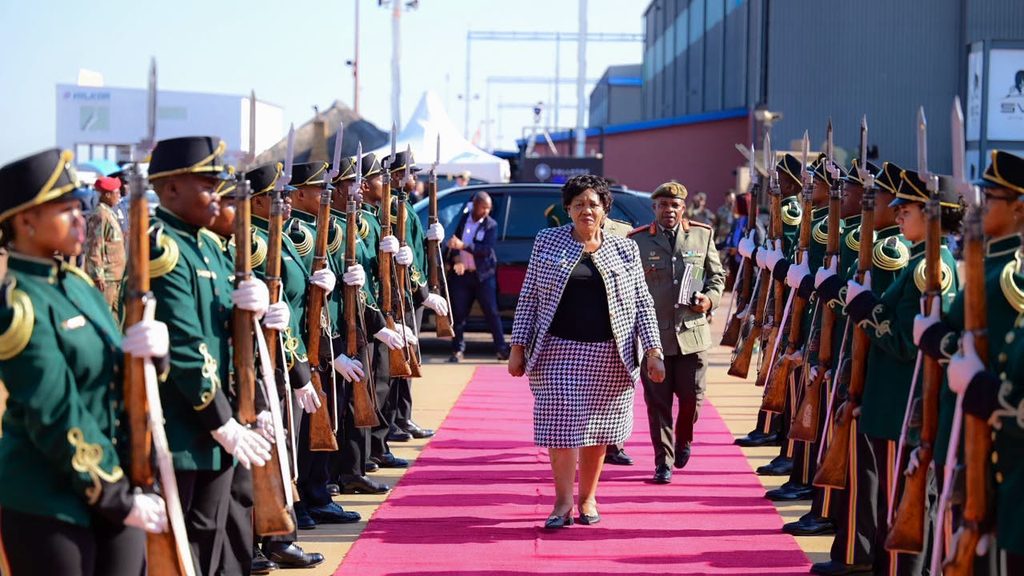
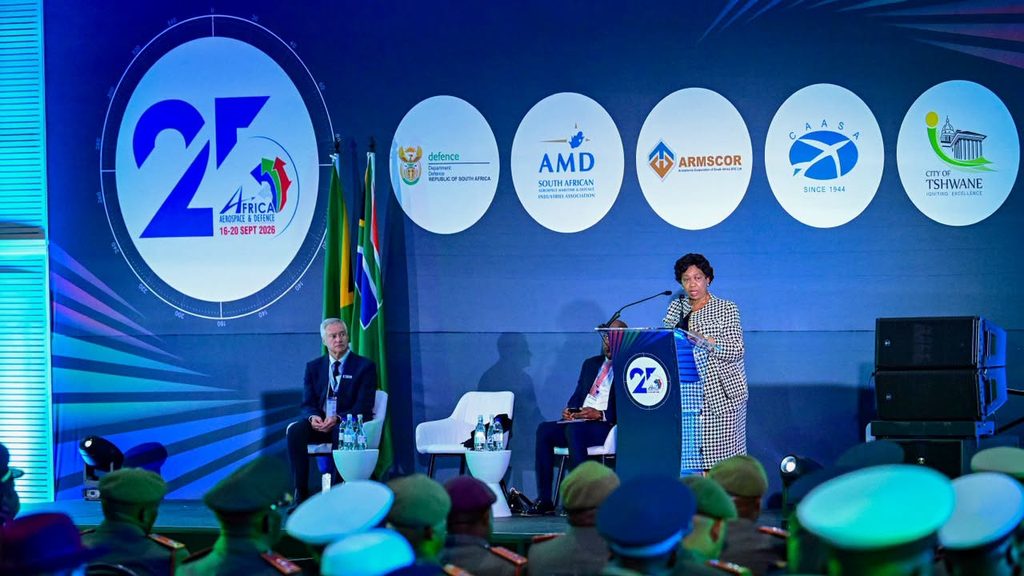
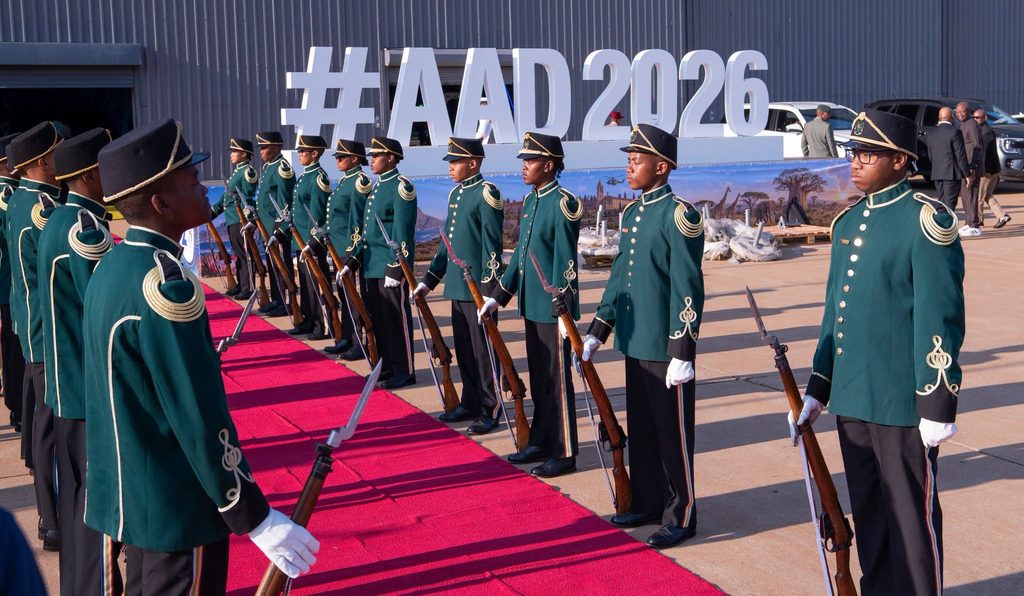
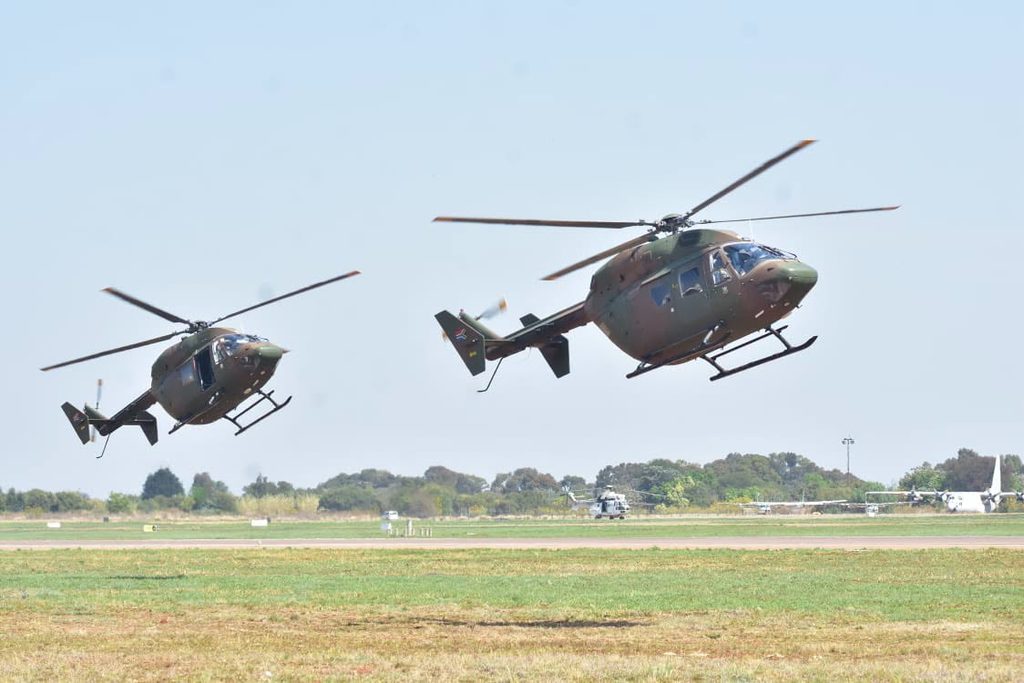
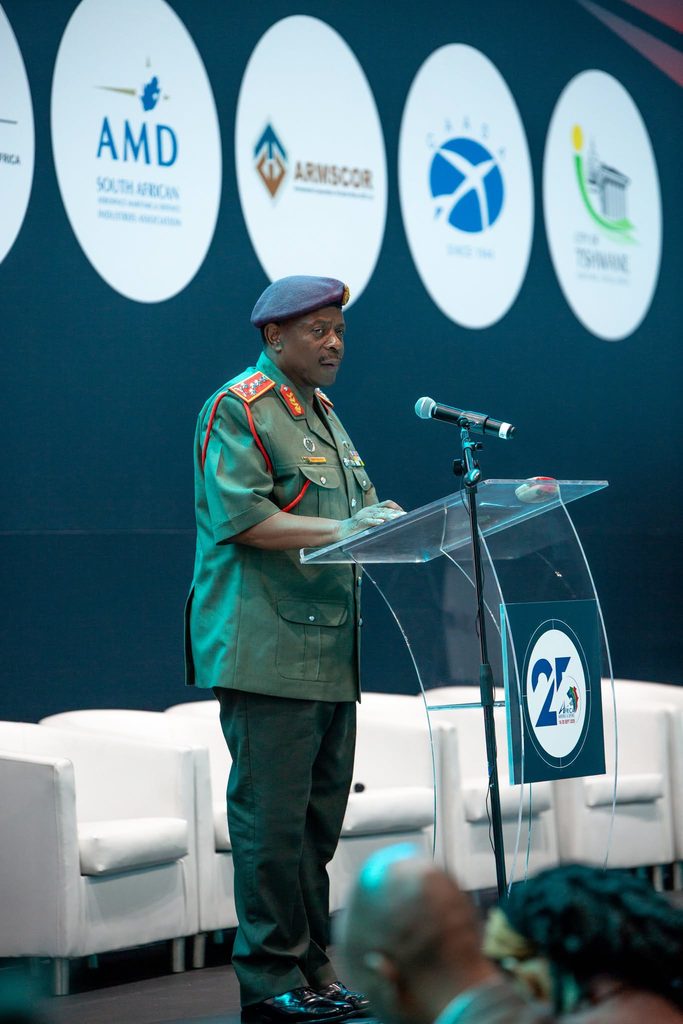
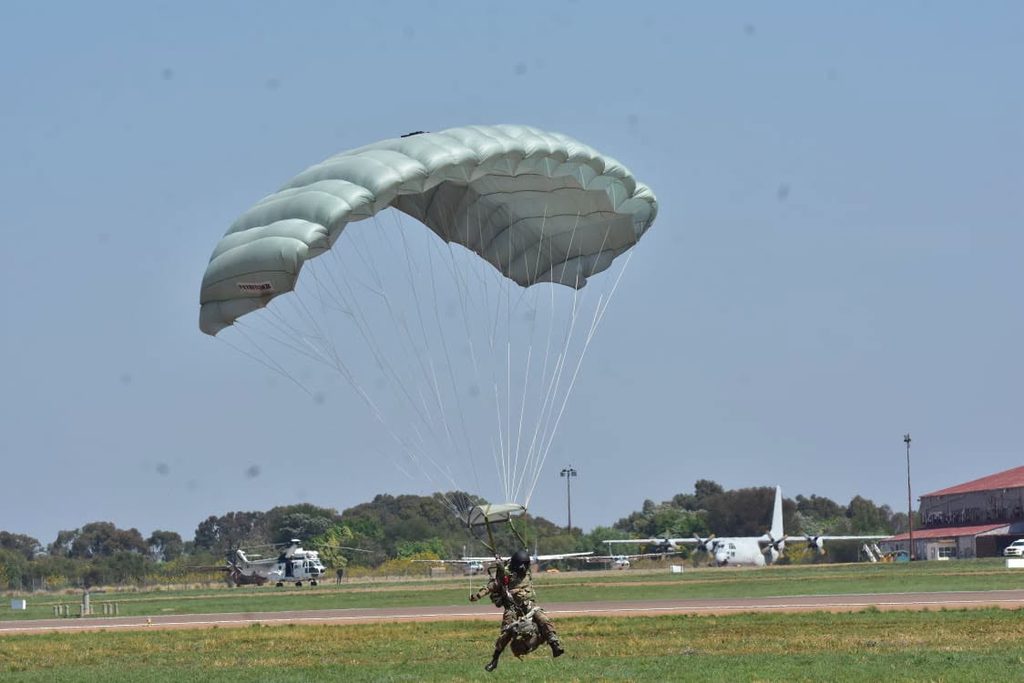
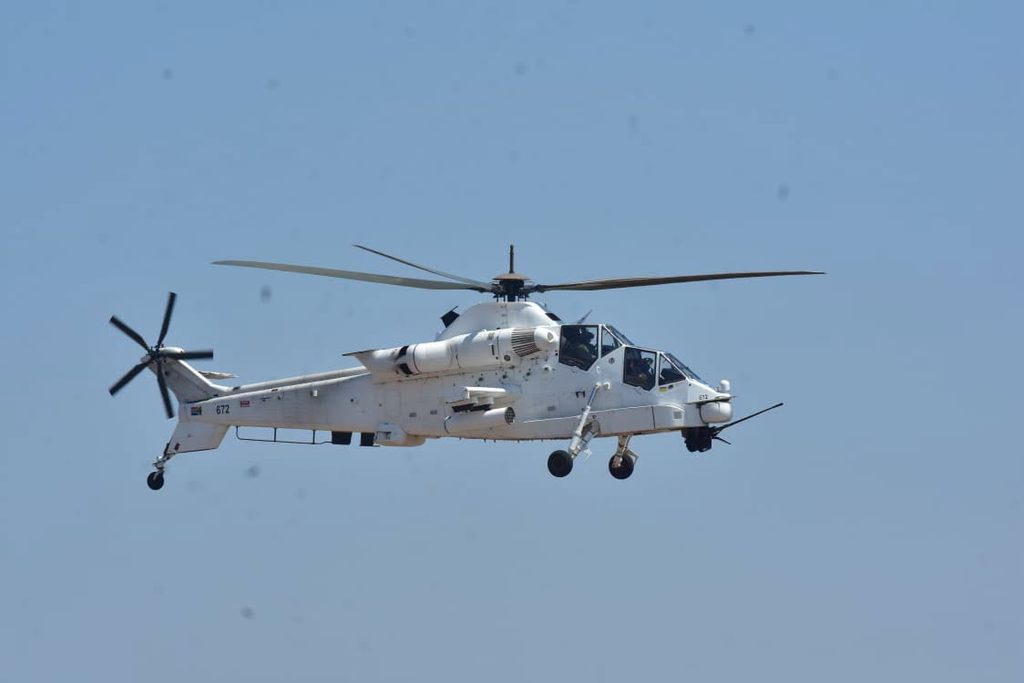
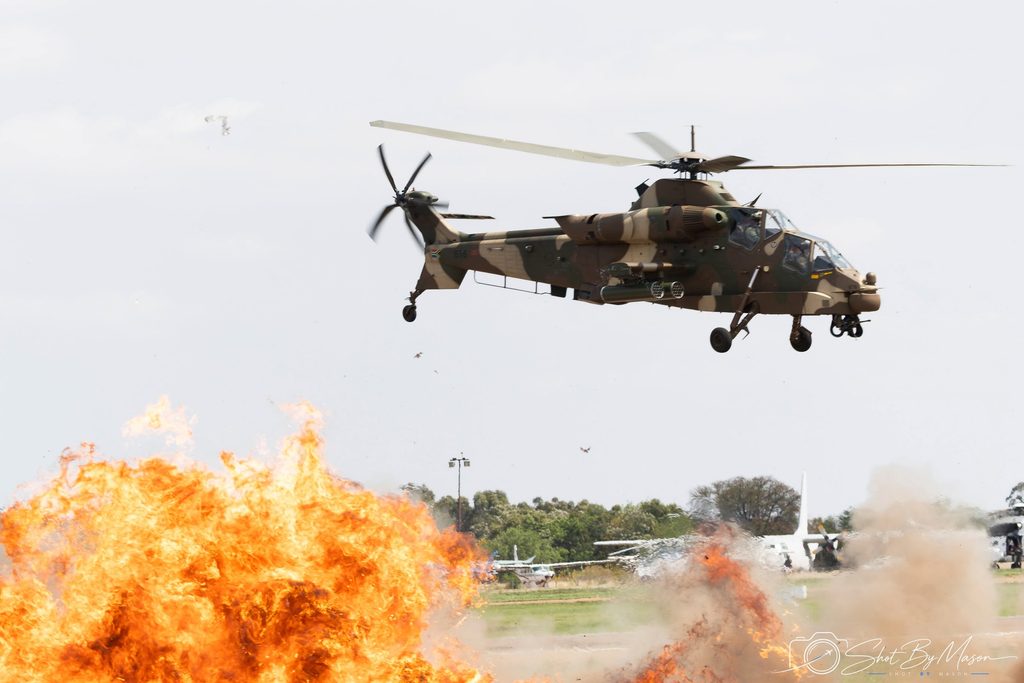
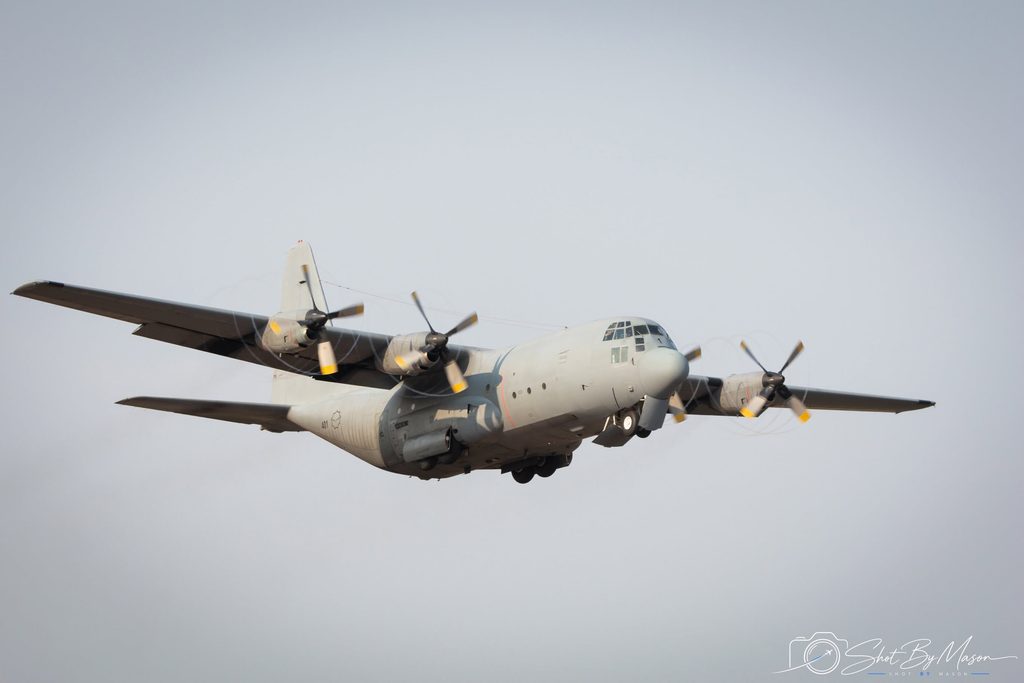
The 13th edition of Africa Aerospace and Defence (AAD 2026), held from 16 to 20 September at Air Force Base Waterkloof in Pretoria, reaffirmed the exhibition’s position as one of the African continent’s foremost meeting points for governments, armed forces and the international aerospace, defence and security industries. Over five days, Waterkloof became a centre of defence diplomacy, capability demonstrations, industrial engagement and public outreach, bringing together senior military officers, government representatives, official delegations, manufacturers, technology providers and aviation enthusiasts from South Africa and abroad. The exhibition opened in a ceremonial atmosphere, with the South African Navy Band welcoming guests ahead of the formal proceedings attended by Minister of Defence and Military Veterans Angie Motshekga, Chief of the South African National Defence Force General Rudzani Maphwanya, the chiefs of the country’s armed services, senior representatives of the South African Police Service and foreign military leaders.
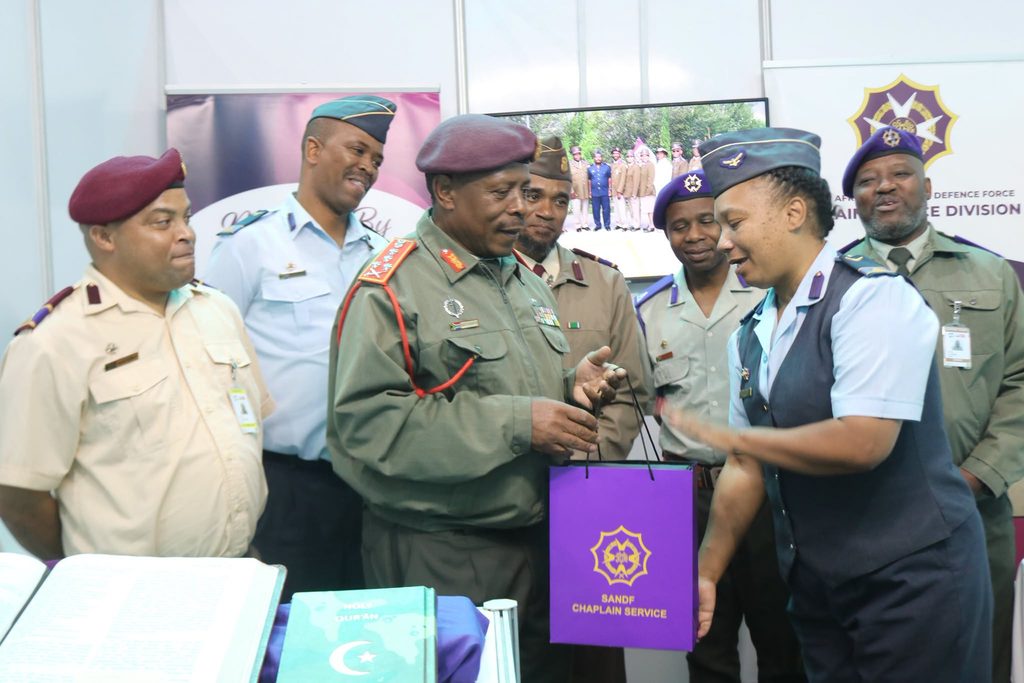
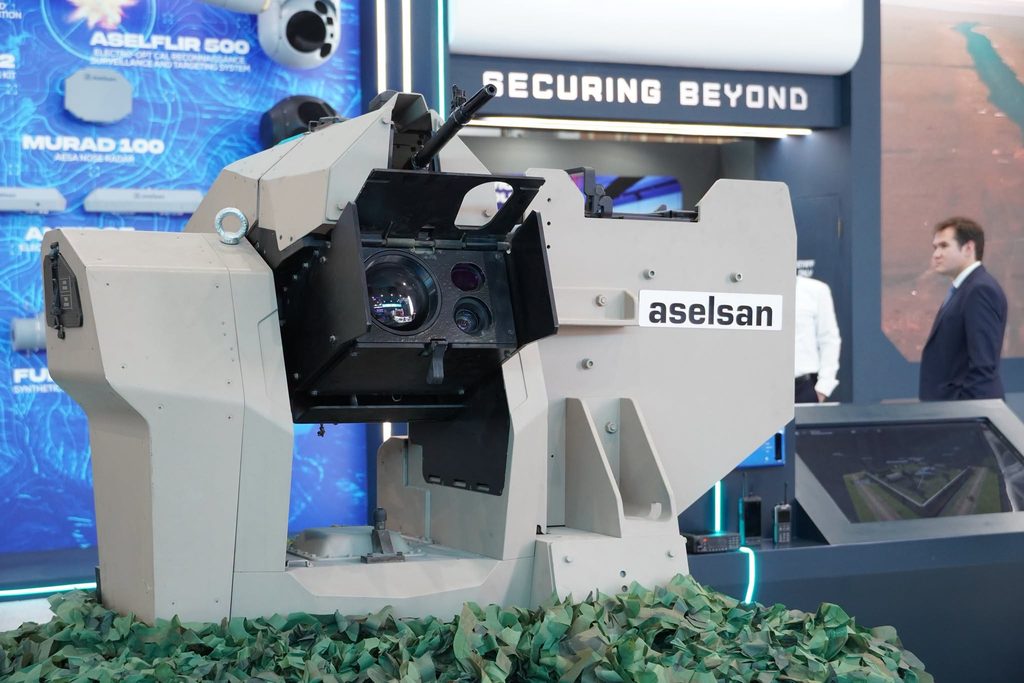
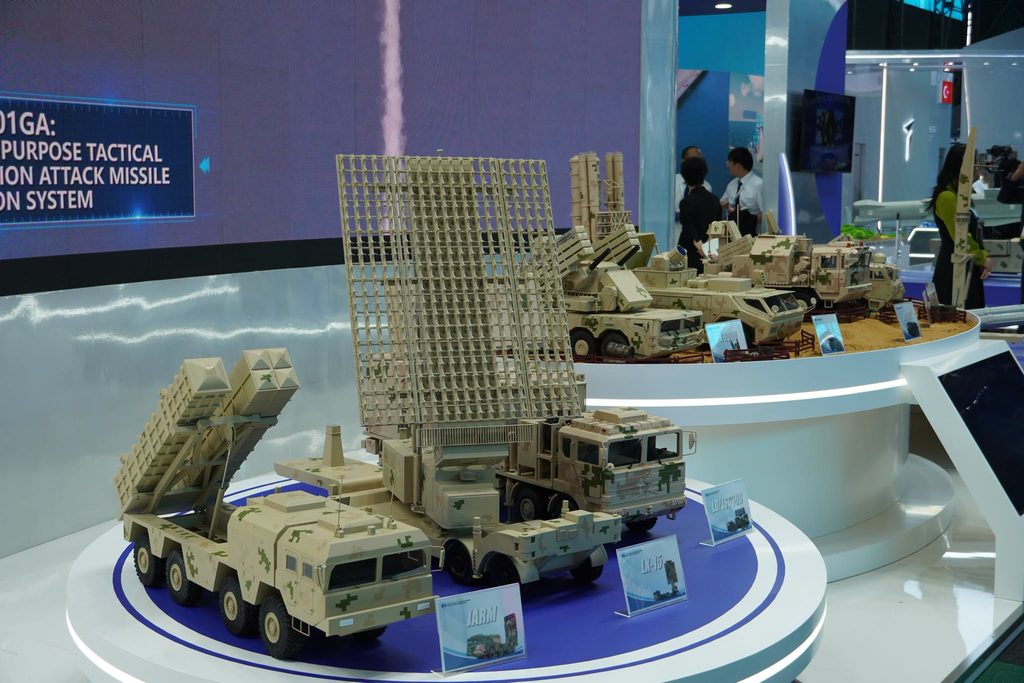
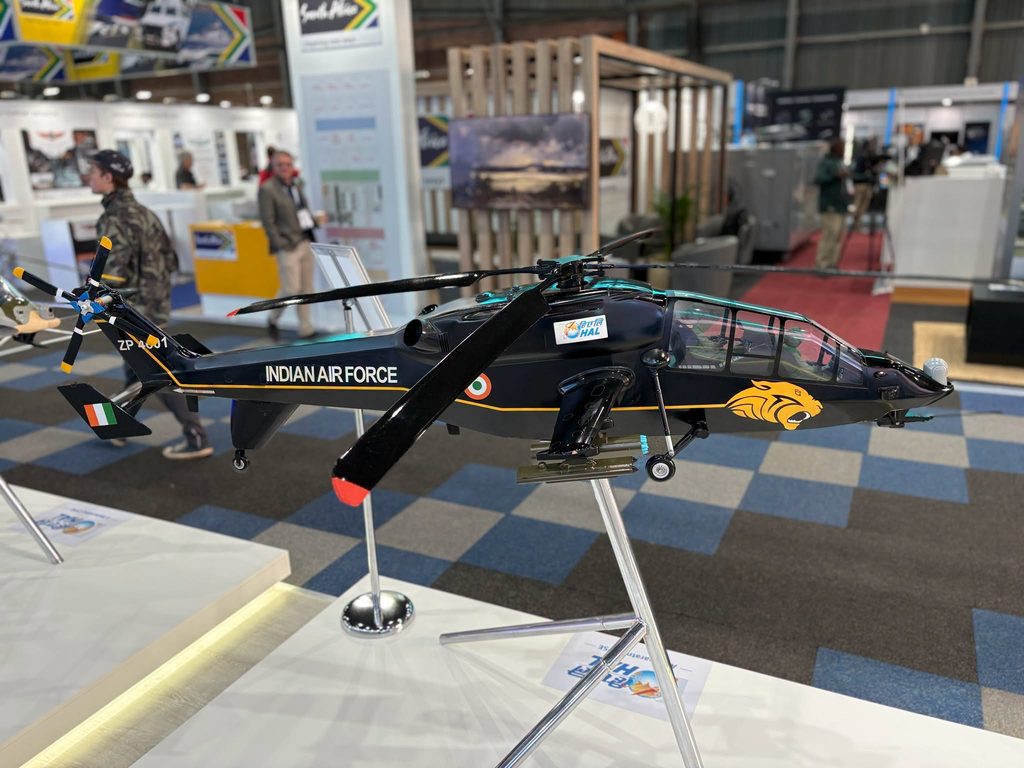
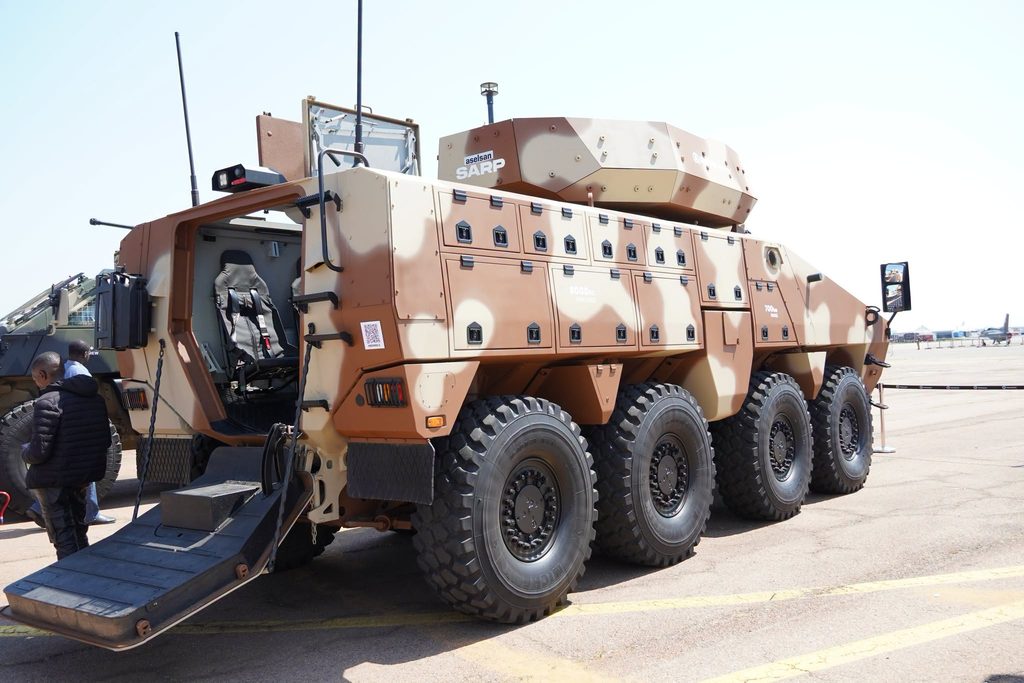
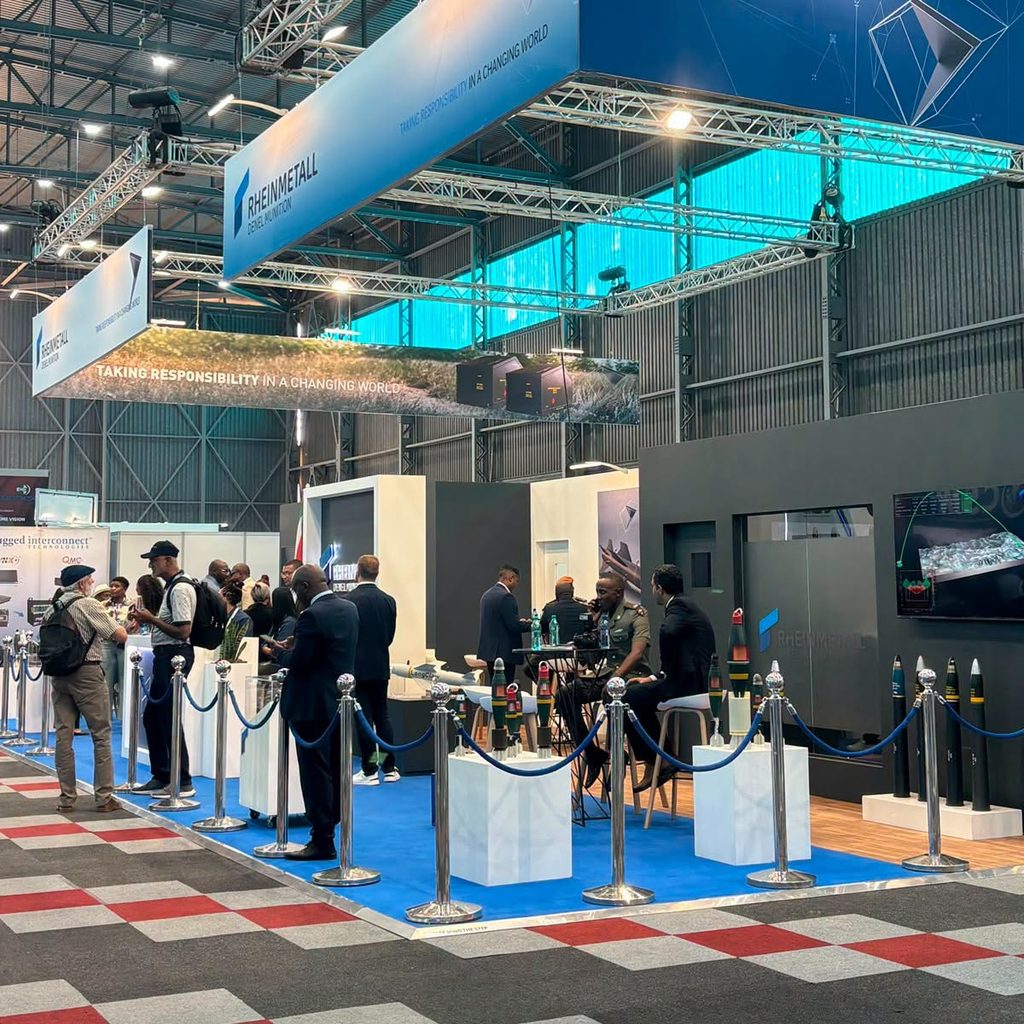
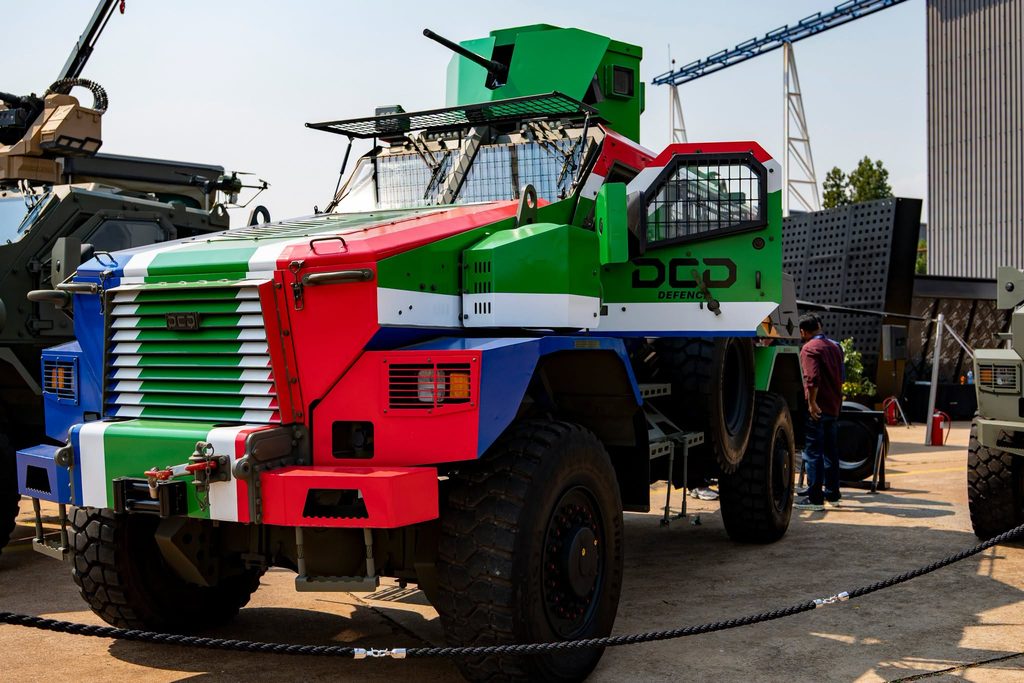
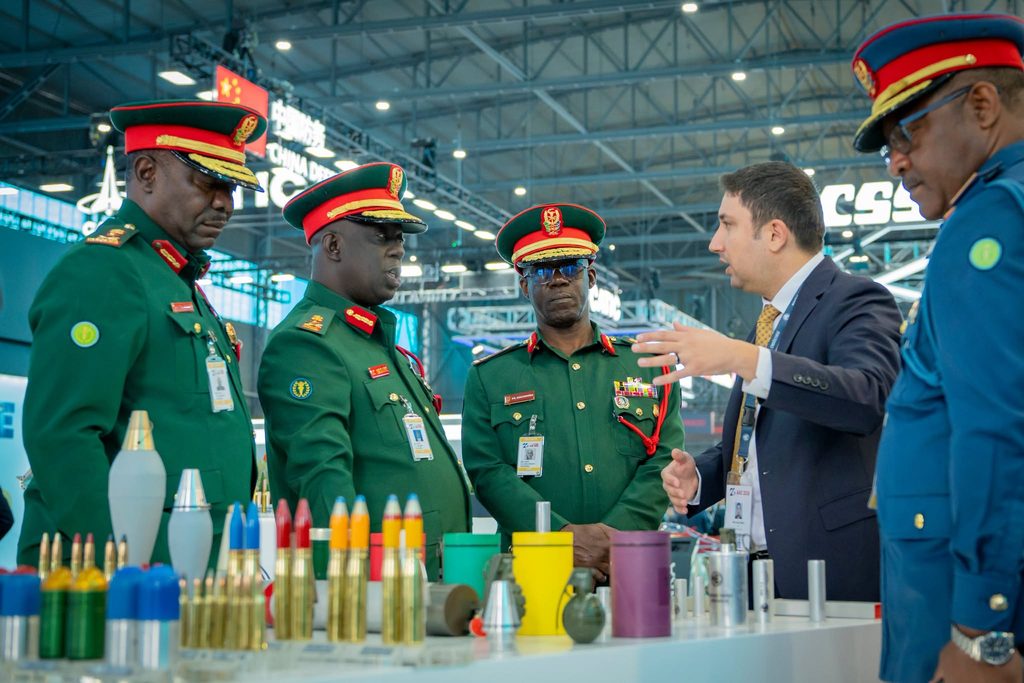
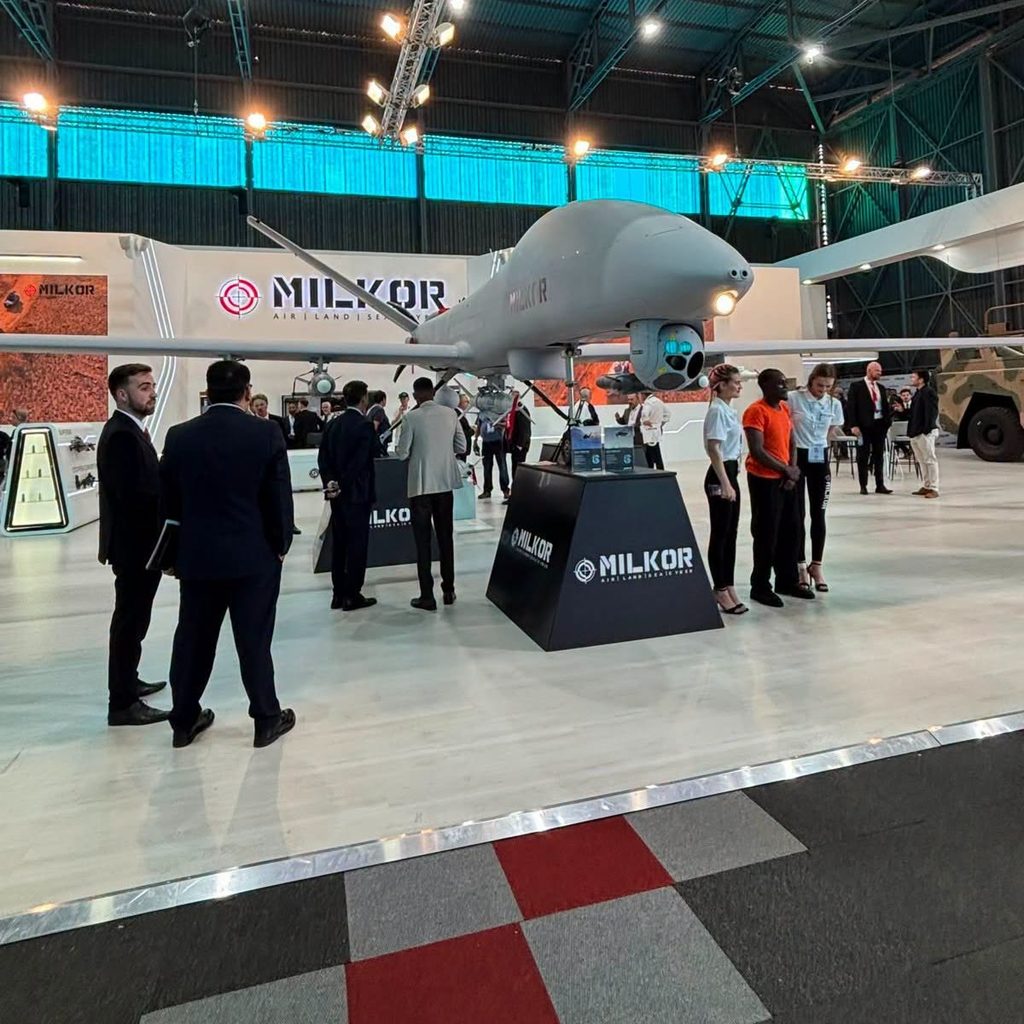
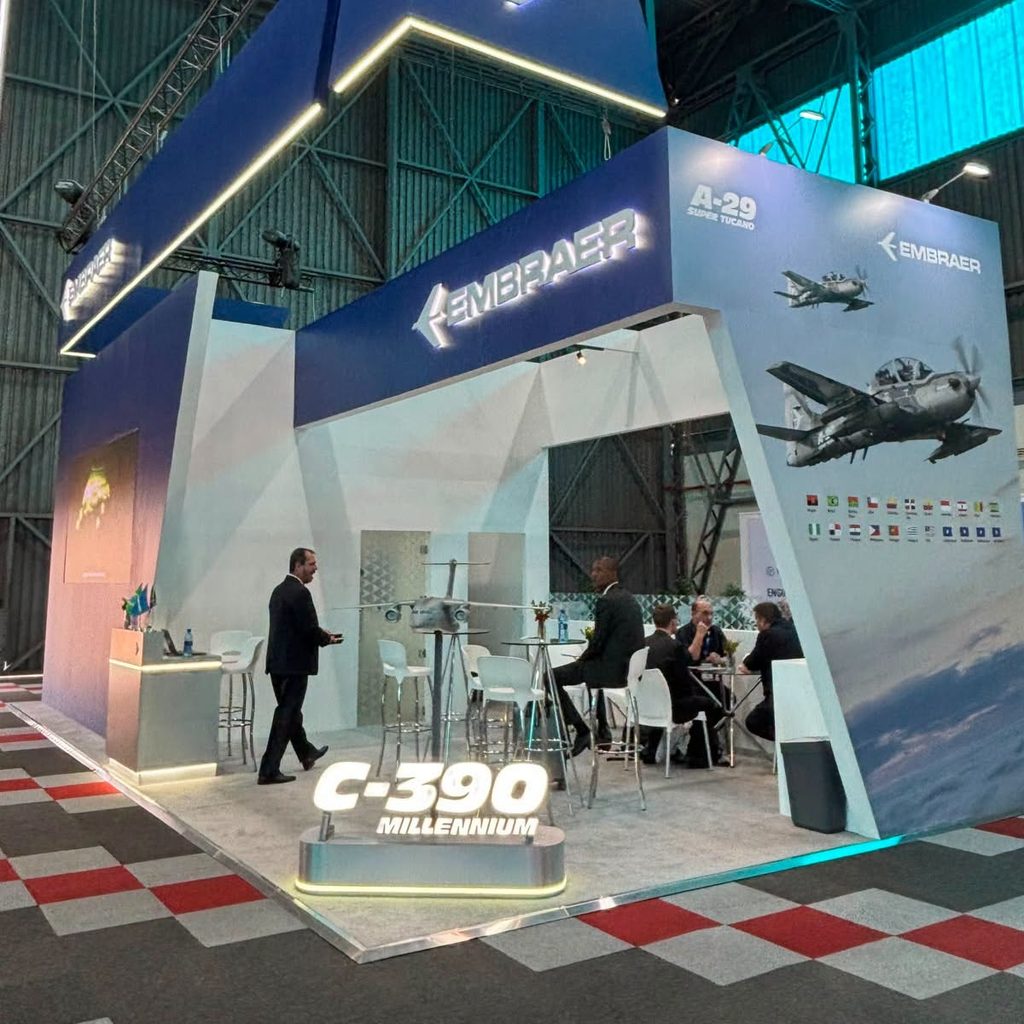
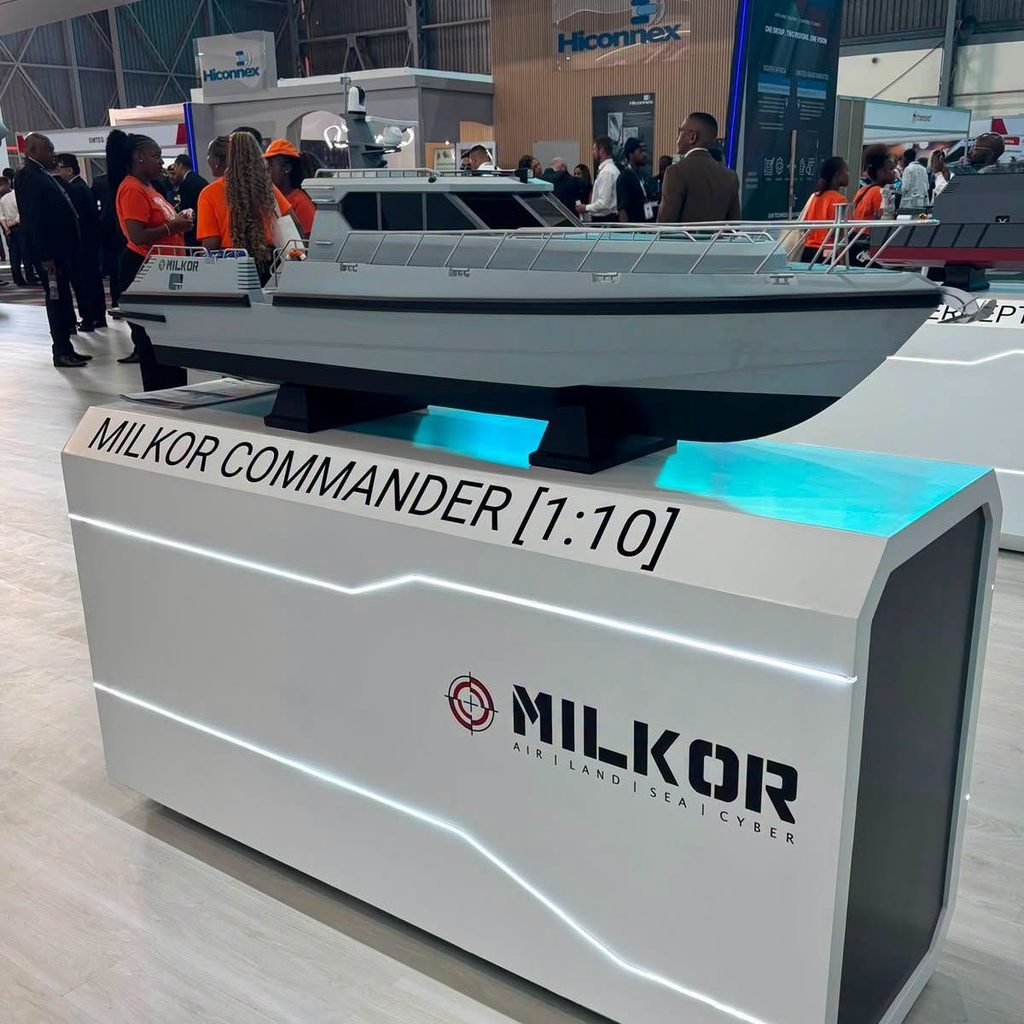
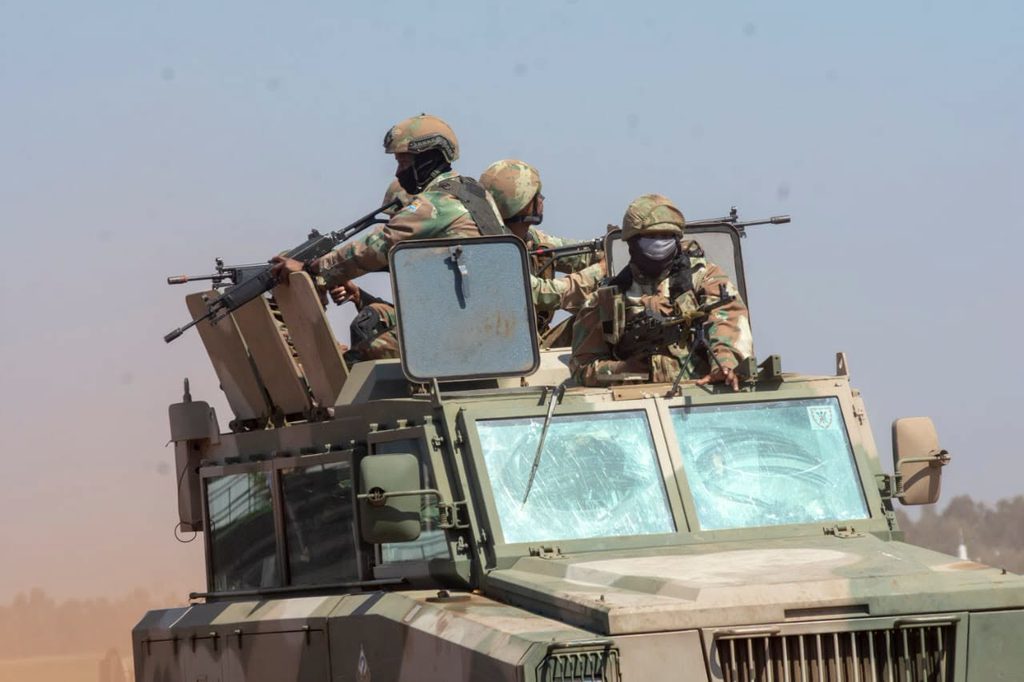
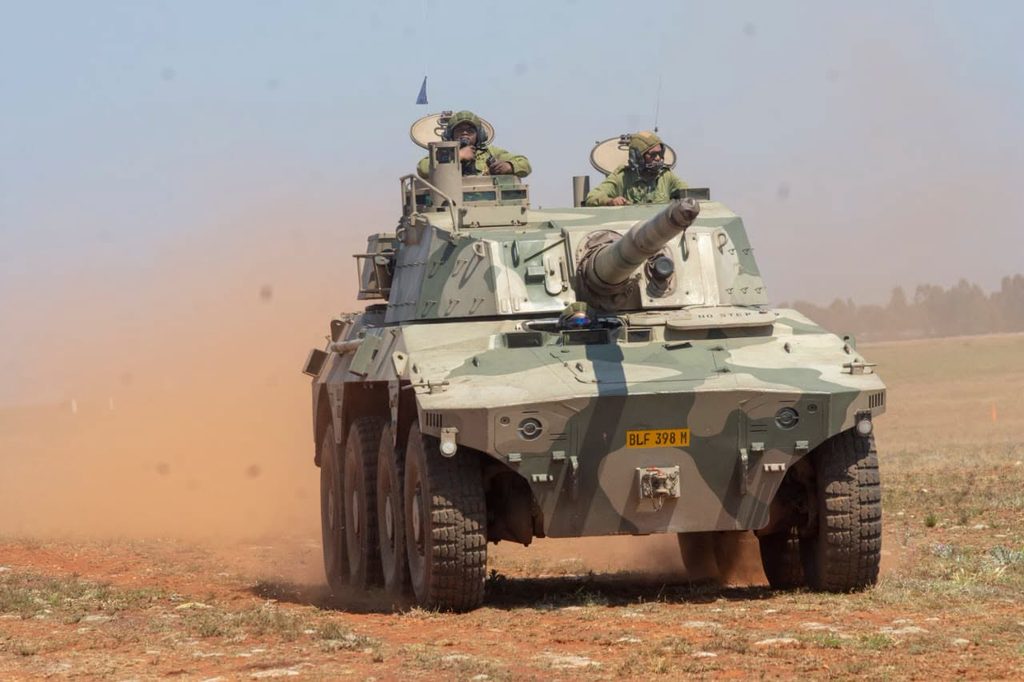
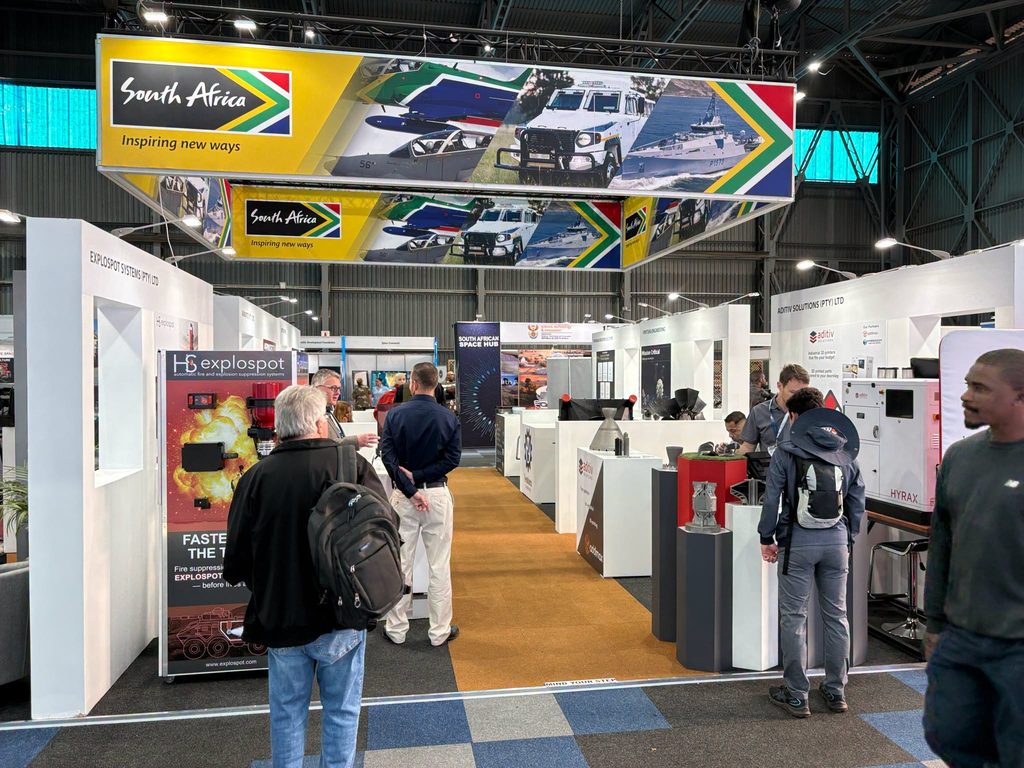
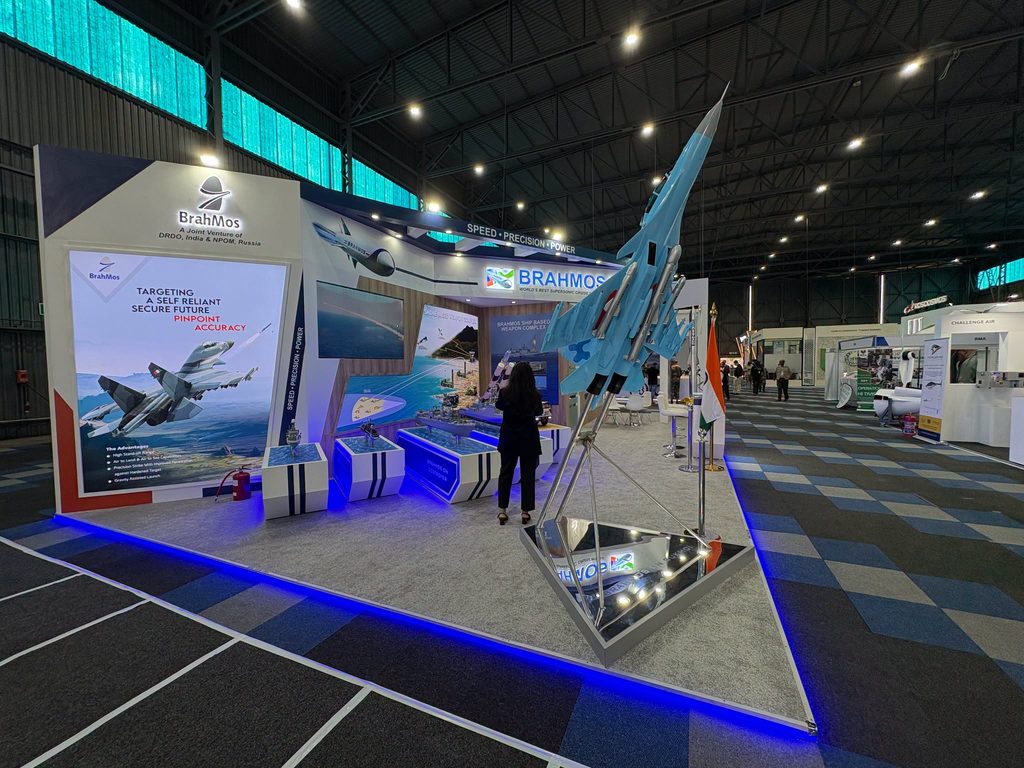
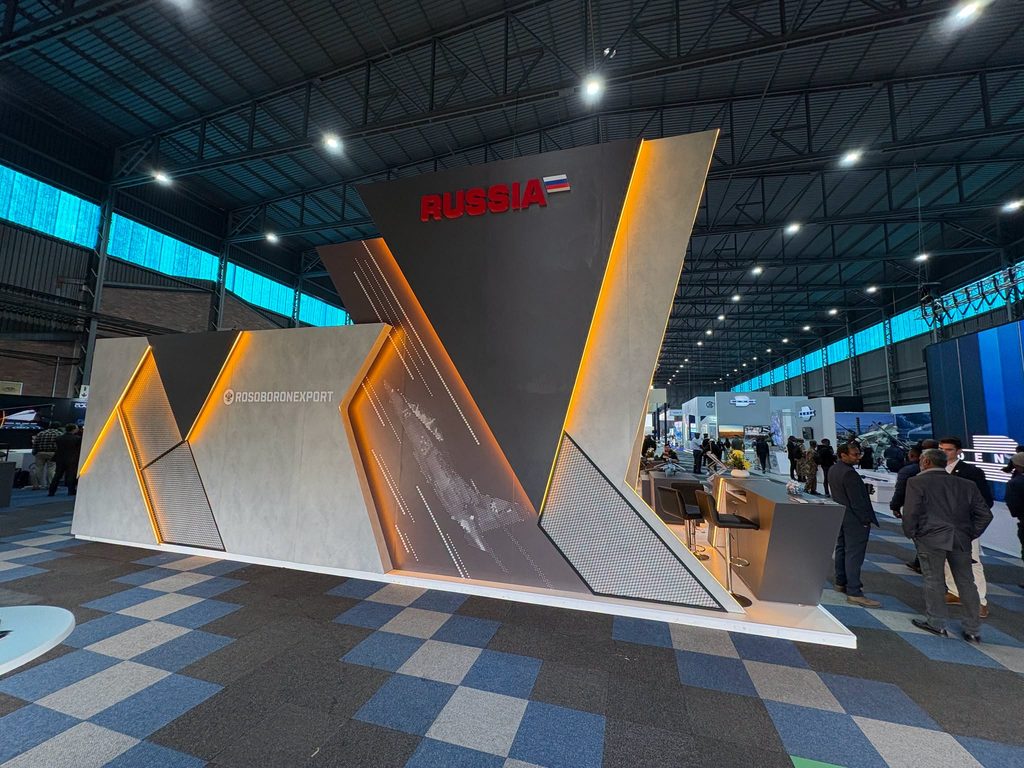
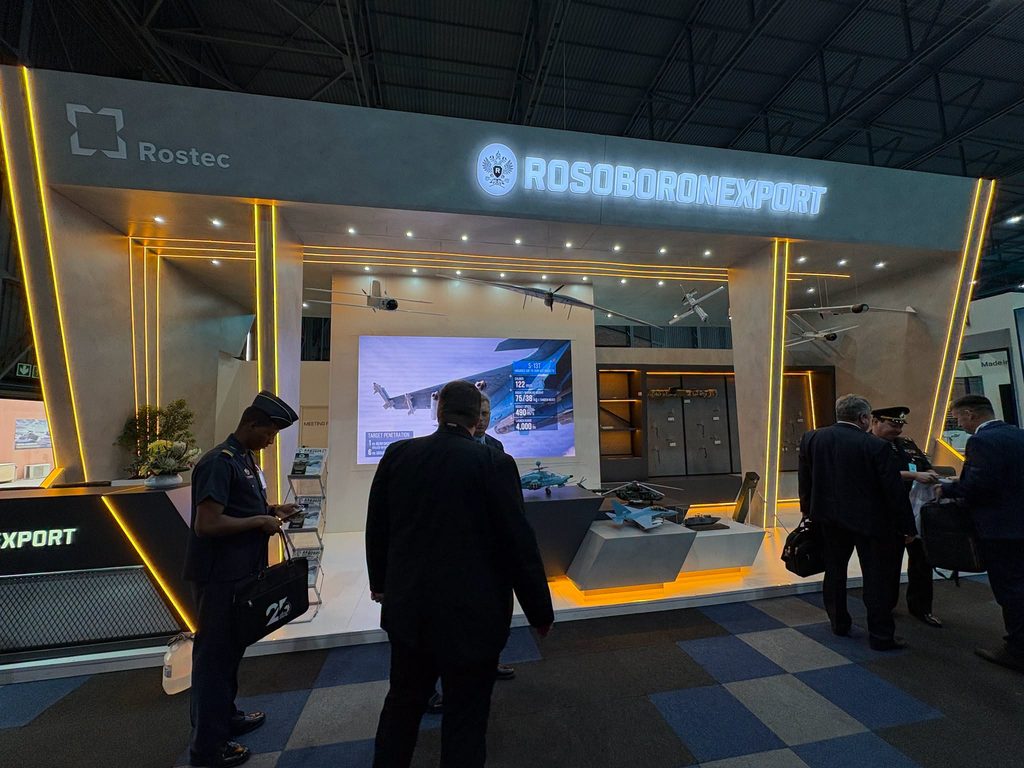
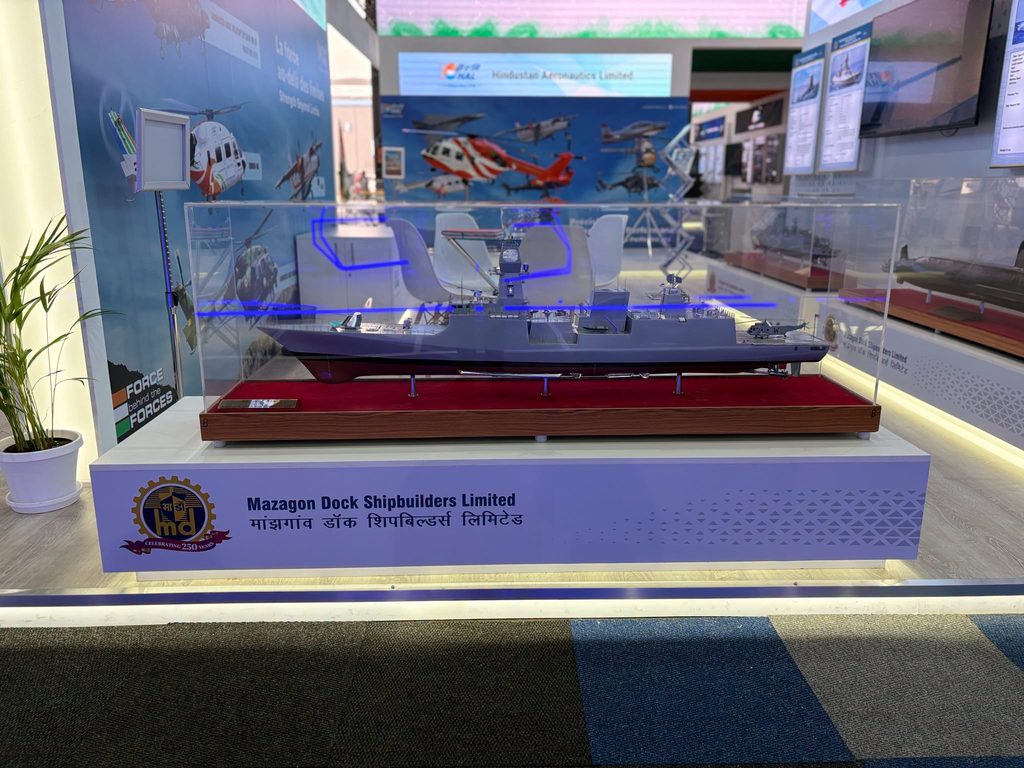
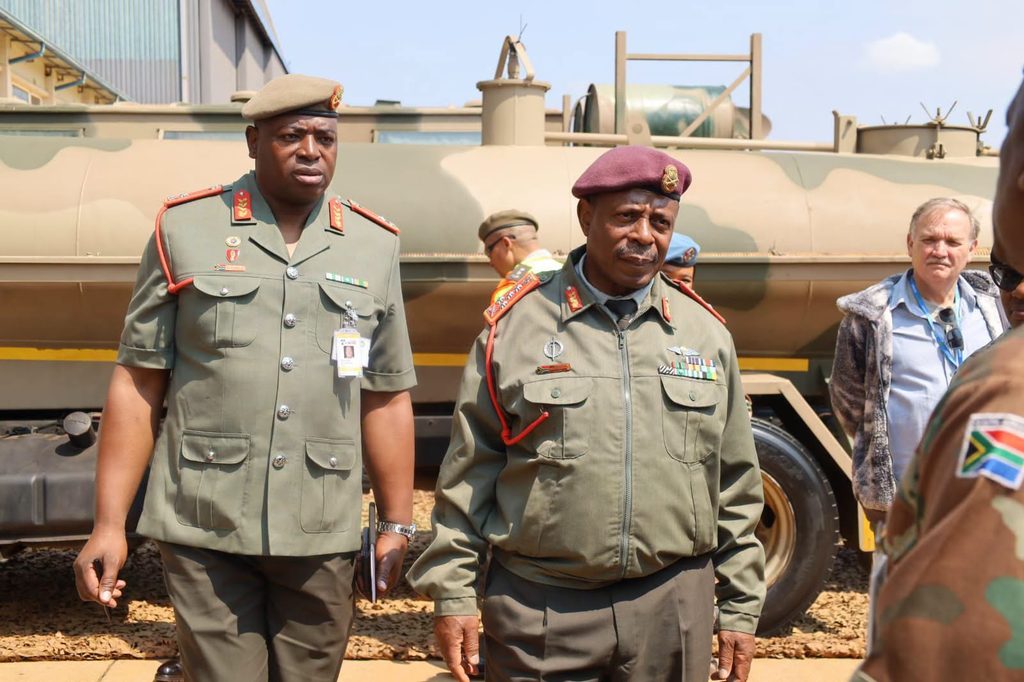
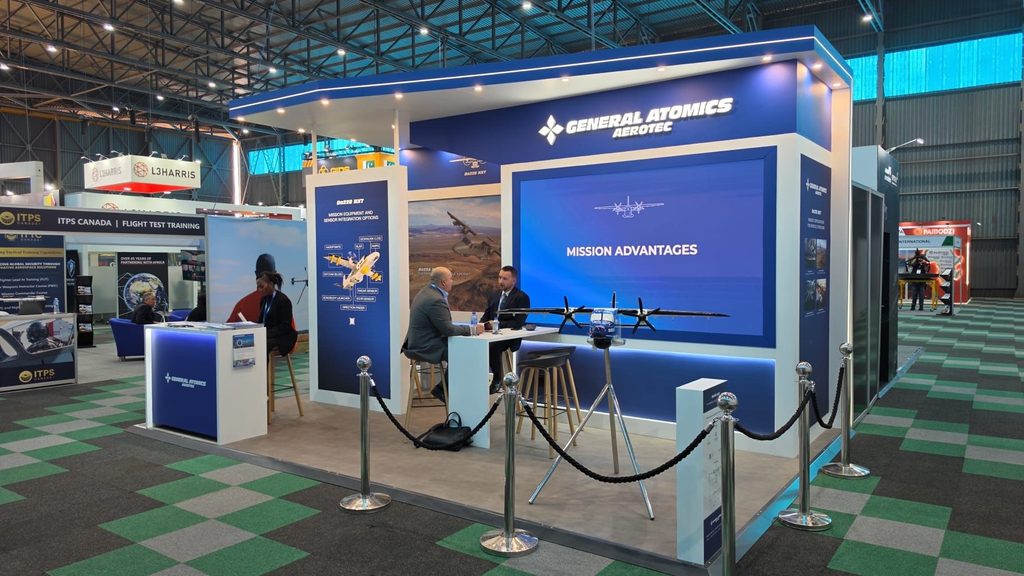
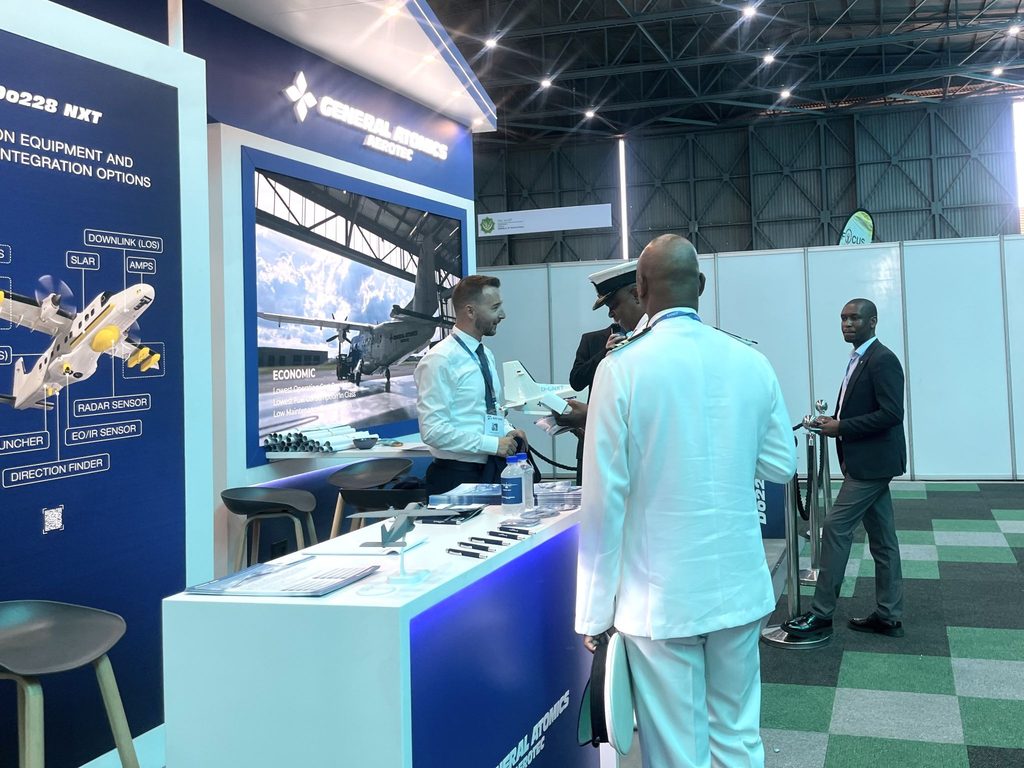
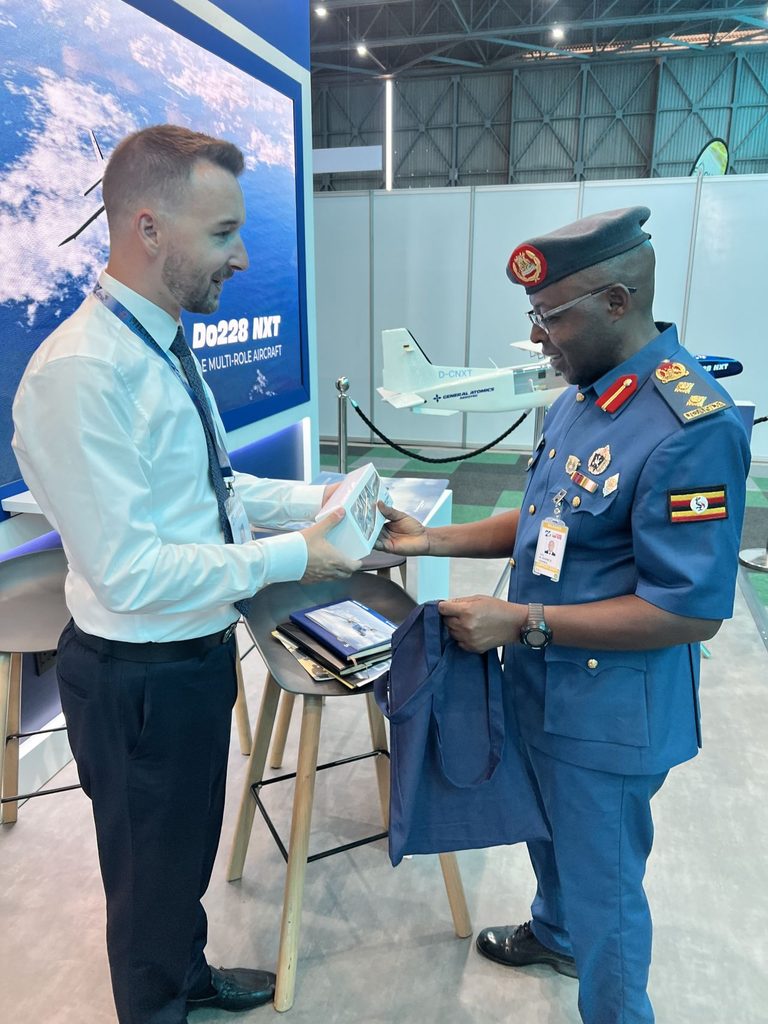
Thirty-three countries were represented at AAD 2026, while trade and military delegations from more than 30 nations participated in official meetings and industry discussions. National pavilions representing South Africa, China, Türkiye, India, Pakistan, Italy, Romania and Brazil reflected the event’s international reach and highlighted the growing interest of global defence companies in African markets and partnerships. Throughout the trade days, senior South African officials conducted extensive walkabouts across the exhibition, inspecting locally and internationally developed systems and meeting company representatives to discuss training, procurement, investment, technology transfer and opportunities for long-term industrial cooperation. Unmanned aerial vehicles, surveillance and communications technologies, advanced military electronics, autonomous systems, force-protection solutions and newly developed light-armoured vehicles were among the capabilities attracting particular attention. South African companies used the exhibition to demonstrate the country’s engineering expertise and established defence-industrial capacity, while overseas exhibitors presented systems designed for African and international operational requirements. Discussions extended beyond the sale of individual products, focusing increasingly on local manufacturing, skills development, maintenance support, technology transfer and sustainable partnerships capable of strengthening South Africa’s aerospace and defence industrial base. Defence diplomacy formed an equally important part of AAD 2026. On 17 September, senior military representatives from Malaysia, Malawi, Pakistan, Tanzania, Mozambique and the Republic of the Congo paid courtesy calls on General Maphwanya. These engagements highlighted AAD’s value as a neutral professional environment in which military leaders can exchange views, develop bilateral relations and explore cooperation in areas such as training, peace-support operations, capability development and defence-industrial collaboration. The meetings also demonstrated South Africa’s continuing role as a regional security partner and its use of military diplomacy to advance national interests while contributing to broader African stability and cooperative security. Alongside its high-level governmental and industrial programme, AAD maintained a strong educational and public dimension. School learners were given opportunities to meet military personnel and learn about careers in aviation, engineering, science, maritime operations and defence technology, with the South African armed services presenting their personnel, equipment and operational responsibilities. This combination of professional engagement, technological demonstration and youth outreach distinguished AAD as more than a conventional defence exhibition.
AAD 2024 welcomed 86 official delegations from 33 countries, 259 exhibitors from 30 countries, 22,970 trade visitors, 37,007 members of the general public, 390 accredited media representatives and 11,000 learners reached through its Youth Development Programme, while also featuring 77 civilian aircraft and unmanned aerial vehicles and nine national pavilions. Building on this foundation, AAD 2026 successfully brought together diplomacy, operational expertise, industrial capability and public engagement, reinforcing Waterkloof’s position as a major venue for African defence dialogue and demonstrating the continent’s expanding relevance within the global aerospace and security sectors.
 English
  Greek
Greek