


Greece and Germany Explore Closer Defence Cooperation
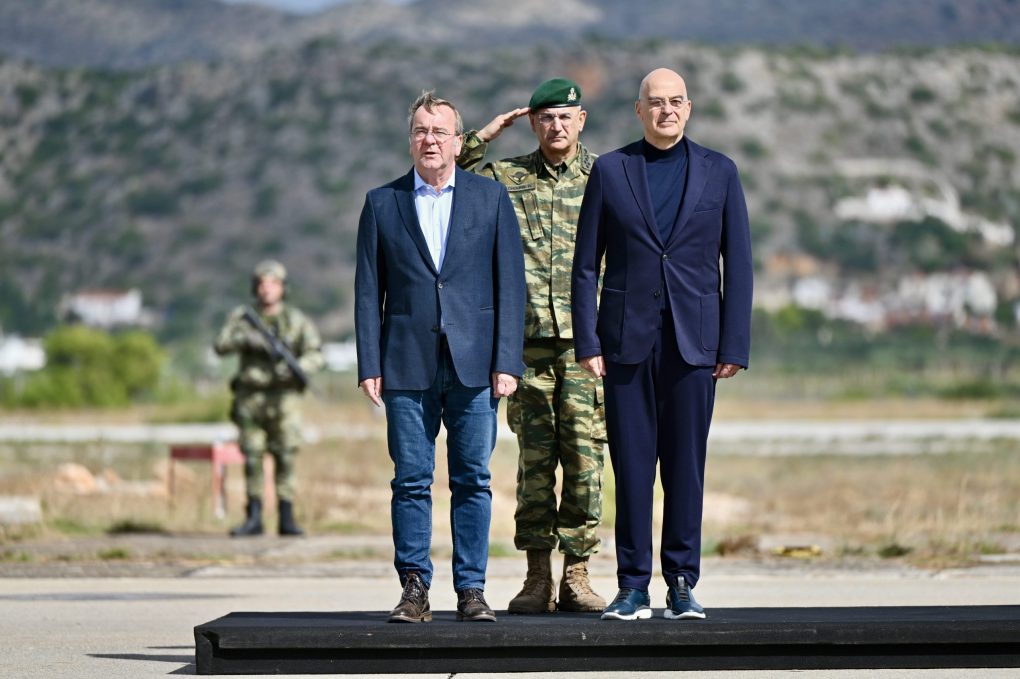
Greece and Germany outlined opportunities to strengthen defence cooperation during a meeting between Greek Minister of National Defence Nikos Dendias and German Federal Minister of Defence Boris Pistorius at the NATO Missile Firing Installation in Crete on 14 October 2026. The discussions addressed shared security concerns within NATO and the European Union, alongside prospects for expanding military collaboration. Both ministers agreed to maintain regular contact on challenges affecting their countries, while Dendias invited his German counterpart to visit Athens. Their meeting also provided an opportunity to assess how the ongoing transformation of their respective armed forces could support closer cooperation across operational, technological and industrial fields.
Dendias expressed Greece’s intention to deepen its defence relationship with Germany through additional joint training, the hosting of German forces in Greece, improved interoperability and the development and acquisition of common platforms. He highlighted the potential alignment between Greece’s Agenda 2030 defence transformation programme and Germany’s ambitious military procurement plans. With both countries undertaking substantial changes to their armed forces, the Greek minister identified considerable scope for collaboration beyond traditional equipment programmes. Cyber defence, unmanned systems, innovation and emerging technologies were among the areas he singled out, suggesting that bilateral engagement could develop into joint production and the creation of shared capabilities.
European security formed another central part of the discussions. Dendias advocated a comprehensive approach reflecting the different geographical positions and security concerns of the two countries. Alongside the challenges arising from Russia’s invasion of Ukraine, he drew attention to developments in North Africa, the Sahel and the Middle East. These regions, he argued, have direct implications for Europe’s peace, security and economic resilience. The meeting therefore placed bilateral defence relations within a broader strategic context, recognising that European security requires attention to instability across multiple regions. Dendias also explained Greece’s assessment of its immediate security environment and called for sustained dialogue based on openness and mutual understanding.
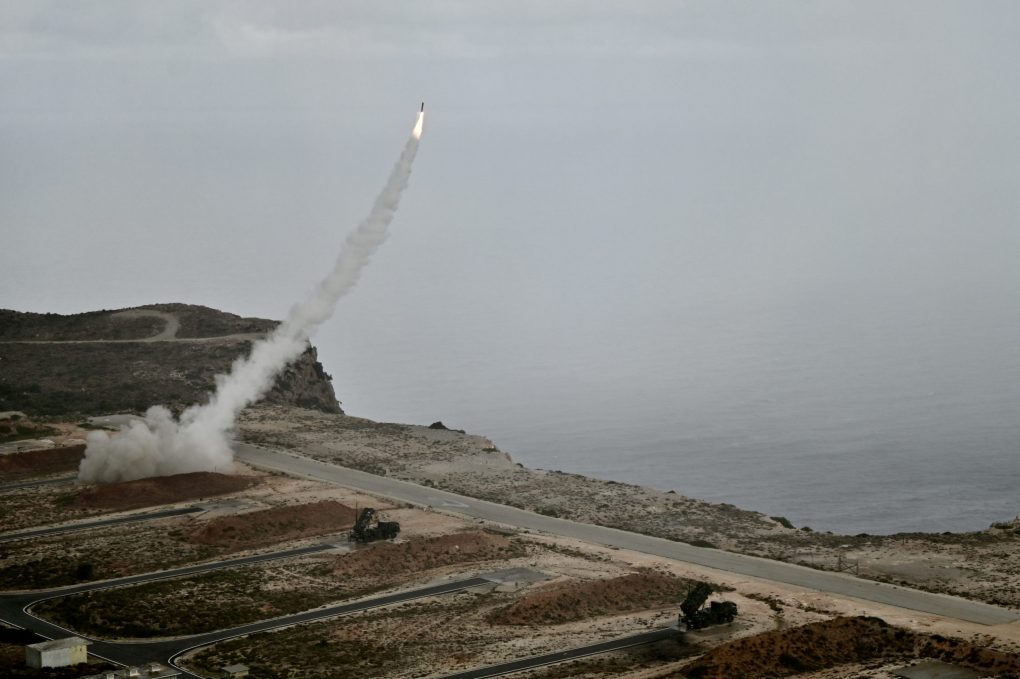
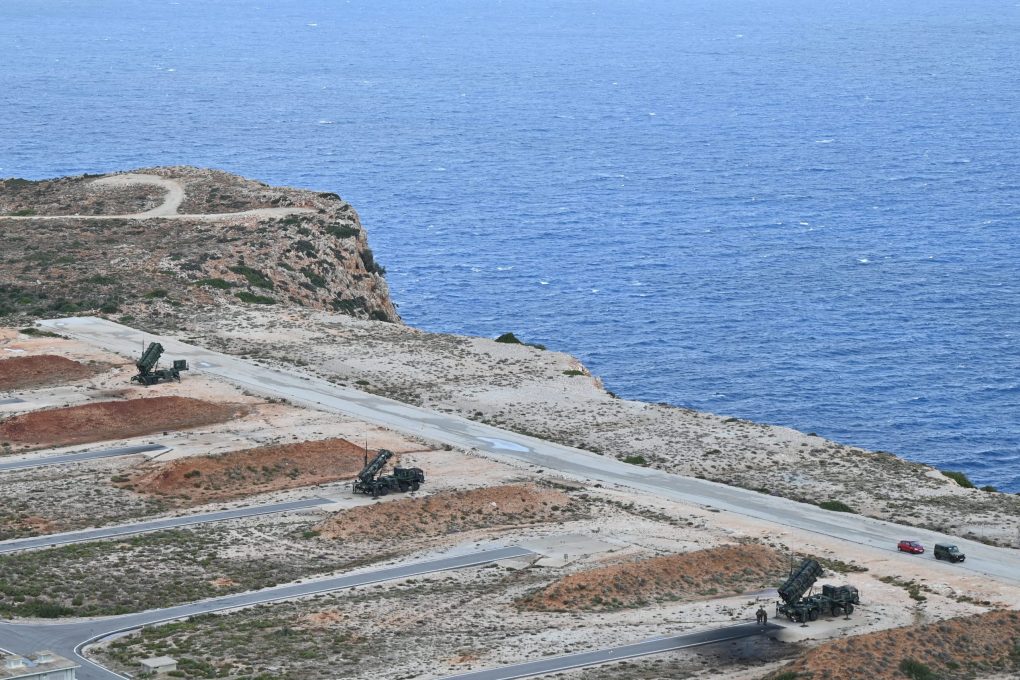
The Greek minister underlined the importance of European unity and a coherent European presence within NATO. He reaffirmed both countries’ commitment to transatlantic cooperation and presented stronger European defence capabilities as complementary to the Alliance. Following their bilateral talks, Dendias and Pistorius observed live firings involving PATRIOT and LEFLASYS-OZELOT air defence systems, together with a certification firing of the new IRIS-T SLM air defence system. The activities took place during SPARTAN ARROW–26, an air defence exercise organised annually by the German Armed Forces at the NATO Missile Firing Installation, also known as NAMFI, in Crete.
The visit combined political consultations with observation of multinational air defence training, bringing the ministers’ discussions on cooperation and interoperability into an operational setting. Those attending included Chief of the Hellenic National Defence General Staff General Dimitrios Choupis, Chief of the Hellenic Air Force General Staff Lieutenant General Dimosthenis Grigoriadis, German Ambassador to Greece Andreas Kindl and senior military officers from both countries. Concluding his remarks, Dendias thanked Pistorius for the frank exchange of views and reiterated Greece’s readiness to remain a sincere and reliable partner in continued discussions with Germany.
 Greek
Greek  English