


Safran and MBDA Selected to Develop France’s THUNDART Long-Range Strike System
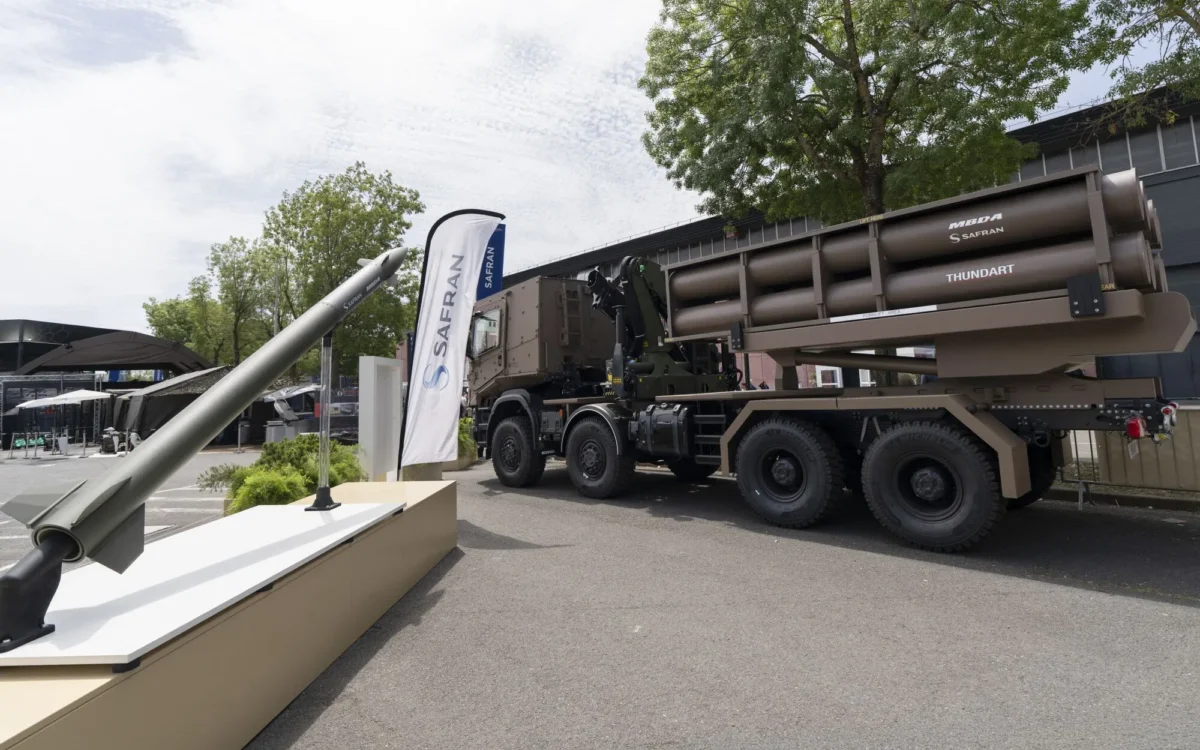
Safran Electronics & Defense and MBDA have been awarded a contract by France’s Directorate General of Armaments (DGA) to develop THUNDART, a French-built long-range ground-strike system intended to succeed the French Army’s Lance-Roquettes Unitaire (LRU). The companies say the system will provide precision strikes at long range in contested environments, including those where satellite navigation signals are jammed or unavailable. Designed, developed and produced in France, THUNDART is intended to give the French armed forces full operational autonomy by 2030.
The award follows an initial development phase that included a successful demonstration firing in April 2026. Safran and MBDA plan to establish an equally owned joint venture in the Paris region in January 2027 to oversee THUNDART’s development, production and in-service support. The venture will also work on adaptations for other operating environments and potential exports to allied countries.
Safran Electronics & Defense will contribute its inertial navigation and optronics expertise to help maintain strike accuracy when access to GNSS signals is denied. Alexandre Ziegler, head of Safran’s Defence Global Business Unit, said the selection brings together the companies’ complementary capabilities. Stéphane Reb, MBDA’s Executive Vice President Programmes and Managing Director in France, said the programme would draw on mature subsystems and industrial capacity already being expanded to meet the French Army’s requirements.
According to the companies, several dozen engineers are already working on THUNDART. The programme is expected to support engineering and production jobs at their facilities and among suppliers across France, including in Aquitaine, Brittany, Centre-Val de Loire, Île-de-France, Pays de la Loire and Provence-Alpes-Côte d’Azur.
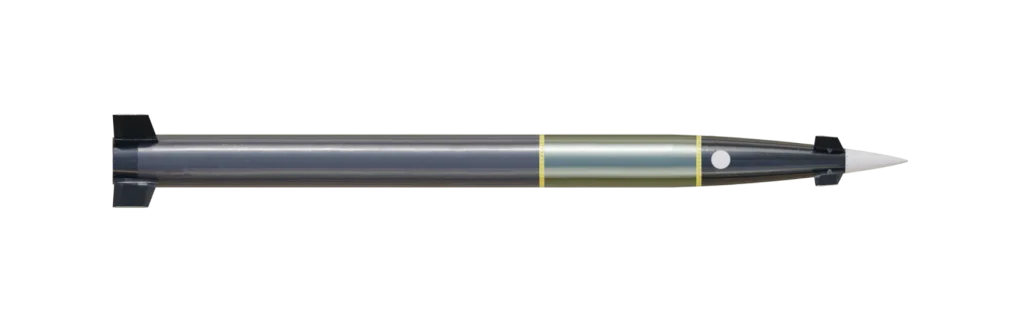
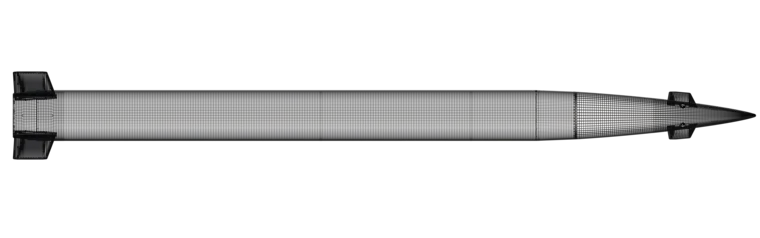
THUNDART’s guided rocket has a stated range of 150 km and is designed to deliver metre-level precision against fixed and moving targets. Its guidance system draws on technology from the AASM Hammer and combines inertial navigation with GNSS, allowing it to operate when satellite signals are jammed or denied. The rocket is intended to engage targets including lightly and moderately hardened infrastructure, ground-based weapon systems and surface targets. Each launcher carries two pods of four rockets, enabling rapid successive strikes before the vehicle moves to avoid counter-battery fire.
 Greek
Greek  English