


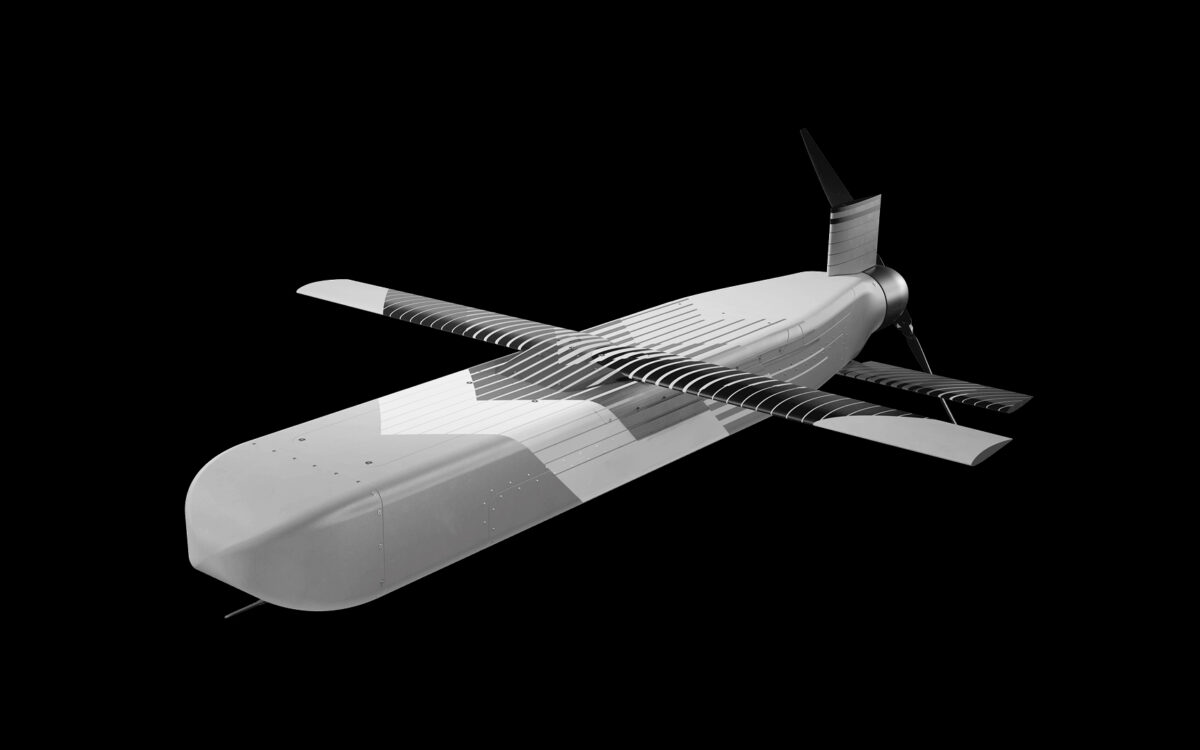
Destinus and Netherlands Ministry of Defence Launch Hornet B2 Naval Counter-UAS Development Program
The Netherlands Ministry of Defence and Destinus have launched a Concept Development & Evaluation (CD&E) programme aimed at developing and integrating the Hornet B2 kinetic counter-UAS interceptor with Royal Netherlands Navy warships. The programme represents a further step towards providing naval forces with an additional, cost-effective layer of protection against the rapidly growing threat posed by low-cost unmanned aerial systems (UAS), particularly those capable of being deployed in large numbers.
\The Ministry of Defence’s Materiel and IT Command (COMMIT) has signed a contract with Destinus covering the delivery of Hornet B2 interceptor systems, integration with several Royal Netherlands Navy warships and Integrated Logistics Support activities. The programme is intended to develop the system towards a possible initial operating capability and is scheduled for completion in the second quarter of 2027. Naval forces are increasingly confronted with an economic and operational challenge as relatively inexpensive aerial threats can be deployed in volume, potentially forcing warships to expend sophisticated and costly surface-to-air missiles. High-end naval air-defence missiles remain essential for countering the most demanding threats, but the growing use of drones and one-way attack systems is increasing demand for complementary interceptors that can be deployed in larger numbers and at a significantly lower cost per engagement. Hornet B2 is being developed specifically to address this requirement.
Unlike a conventional interceptor missile, Hornet B2 employs a hybrid architecture combining rocket-assisted launch with electric-powered cruise flight. The interceptor is stored in a sealed canister and initially launched using a rocket booster. Following launch, it deploys folding wings and transitions to electrically powered flight. The architecture is designed to combine the rapid launch readiness associated with missile systems with the range and endurance characteristics of an aircraft, while reducing the cost per engagement compared with traditional high-end interceptor missiles.
Hornet B2 is designed to engage one-way attack systems using electro-optical and infrared sensors, supported by AI-based processing during the terminal phase of an engagement. Engagement decisions remain under human command and are conducted in accordance with applicable rules of engagement. The system builds on Destinus’ Hornet B1, which is already in serial production. Rather than replacing existing shipborne air-defence weapons, Hornet B2 is intended to become an additional layer within a broader naval air-defence architecture. Premium surface-to-air missiles would continue to provide the necessary performance against sophisticated and high-priority threats, while Hornet B2 would address lower-cost aerial targets arriving in larger numbers. A significant element of the Dutch programme will be the direct involvement of Royal Netherlands Navy personnel throughout the development and evaluation process.Navy operators will contribute operational experience and assist in defining capability requirements and system specifications as Hornet B2 is adapted for operations in the maritime environment. This approach is intended to ensure that the programme addresses not only the performance of the interceptor itself but also the broader requirements associated with shipboard integration, logistics, operator procedures, maintenance and operational support.
By involving operators during the development phase, Destinus and COMMIT aim to avoid the challenges associated with adapting a completed land-based or standalone system to the naval environment at a later stage.
“Low-cost aerial threats have inverted the economics of naval air defence: no navy can sustainably trade multimillion-euro missiles against low-cost threats arriving at volume,” said Mikhail Kokorich, CEO of Destinus.
“Hornet B2 answers this with a different architecture: launched from a canister like a missile, cruising on electric power like an aircraft, and engaging subsonic threats at a fraction of the cost per engagement. Developing this capability together with COMMIT and the Royal Netherlands Navy from day one means it will be shaped by the operators who will depend on it.”
The initiative supports the Netherlands stated requirement for a maritime kinetic counter-UAS capability and reflects the wider effort among European naval forces to strengthen protection against increasingly numerous and diverse unmanned threats. The programme also represents an important step in moving Hornet B2 from an interceptor concept towards a complete operational naval capability, integrating the weapon with the ships, personnel, logistics and support infrastructure required for deployment at sea.
The Concept Development & Evaluation programme is scheduled to continue through Q2 2027, with its results expected to support decisions regarding possible initial operating capability for the Royal Netherlands Navy. The company said it is also continuing to invest in research and development, with engineers at Kassel working on technologies intended for both current and future generations production capacity amid heightened security concerns.
 Greek
Greek  English