


European Commission pushing member nations for greater strategic autonomy
The European Commission and High Representative of the EU for Foreign Affairs and Security Policy presented the White Paper for European Defence – Readiness 2030 alongside the ReArm Europe Plan/Readiness 2030. This landmark initiative aims to significantly enhance Europe’s defense capabilities in light of the increasing security challenges, including Russia’s aggression in Ukraine. The White Paper serves as a guiding framework for the EU’s defense strategy, while the ReArm Europe Plan allocates financial resources to boost investment in defense infrastructure and technological innovation.
The White Paper presents a comprehensive approach to addressing the long-term security needs of Europe and aims to close critical gaps in the continent’s defense capabilities. These efforts are essential for strengthening the security architecture in Europe and safeguarding its future. Key objectives include:
The White Paper identifies the critical defense capabilities that need immediate attention. The EU must address these shortfalls to ensure it is prepared for evolving threats.The document emphasizes support for the European defense industrial base through aggregated demand and increased collaborative procurement. It calls for more European defense purchases, aiming to strengthen the EU’s technological and industrial capabilities in the defense sector.
Given the ongoing conflict with Russia, the White Paper outlines enhanced military assistance to Ukraine and encourages deeper integration of Ukrainian and European defense industries. Simplifying regulations to create a more unified defense market is a critical step toward ensuring a stronger European defense posture.
The White Paper underscores the importance of adopting disruptive technologies such as artificial intelligence (AI), quantum technologies, and cyber defense to modernize defense systems. Strengthening military mobility, improving stockpiling, and fortifying external borders,
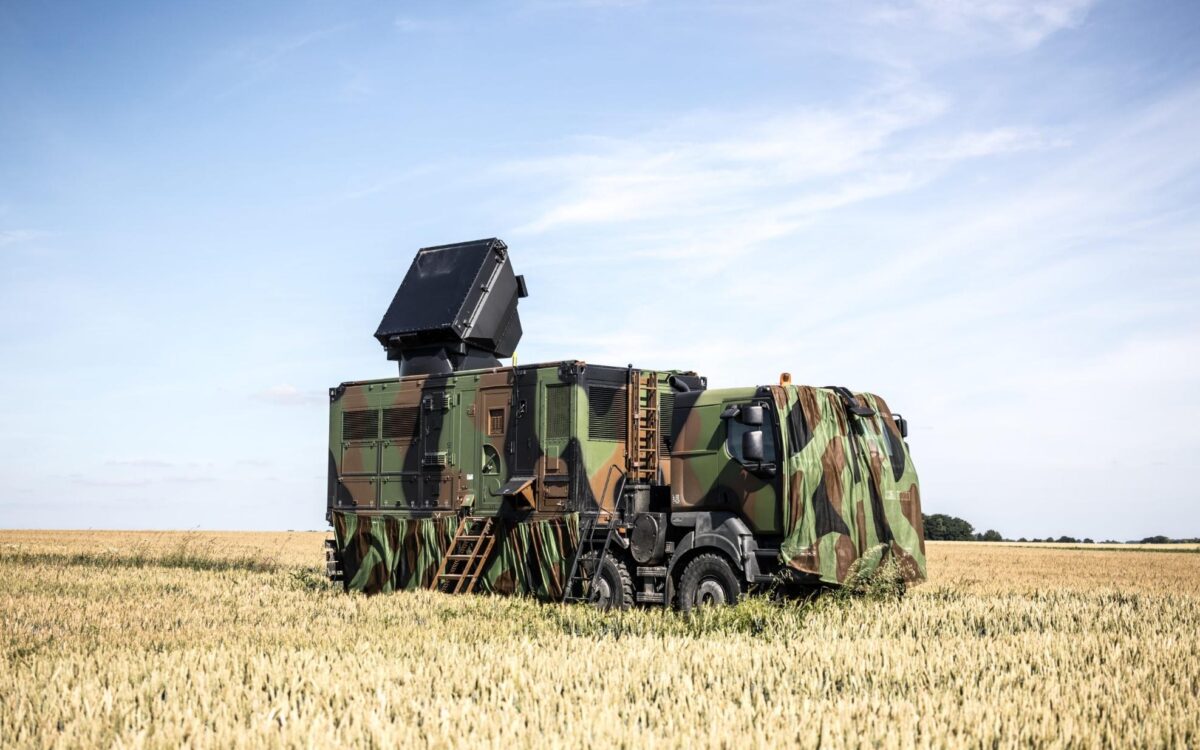
© EUROSAM
especially with countries like Russia and Belarus, are vital to Europe’s readiness for worst-case scenarios. The strategy encourages strengthening partnerships with like-minded countries globally, recognizing the need for international collaboration to bolster security.
The ReArm Europe Plan/Readiness 2030 introduces a financial structure to significantly boost Europe’s defense investments. With a total spending capacity of over €800 billion, the plan is organized into several key pillars:
The Commission has proposed activating the Stability and Growth Pact’s national escape clause, allowing EU Member States additional budgetary flexibility for increased defense spending. This activation will allow defense expenditure to rise by up to 1.5% of GDP per year, over a four-year period.
Security Action for Europe (SAFE) will enable the Commission to raise €150 billion on capital markets to support Member States in rapidly increasing defense spending. These funds will be provided in the form of long-maturity loans to be repaid by the respective countries, and they will be used to procure defense equipment from the European defense industry. The program will allow not only EU Member States but also Ukraine, EFTA/EEA countries, and security and defense partners to participate in common defense procurements.
The European Investment Bank (EIB) will expand its lending to include defense and security projects, ensuring adequate funding is available for strategic defense investments. The Savings and Investments Union Strategy will further enhance the channeling of private savings into defense and security projects, helping to meet investment needs that cannot be fully covered by public funding.
The EU will focus on procurement and collaborative development of essential military systems such as air defense, cybersecurity capabilities, and military transport assets. The EU plans to continue supporting Ukraine with advanced defense systems while integrating Ukrainian defense needs with European capabilities. The EU will work to stimulate innovation within its defense industry by focusing on the development and procurement of cutting-edge technologies. Efforts will also be made to create a more integrated EU-wide market for defense equipment to streamline procurement and reduce costs.The European Defense Agency (EDA) will work to improve military mobility across Europe, particularly focusing on reinforcing external borders with high-risk countries such as Russia and Belarus. Stockpiling and logistical support for a rapid response to crises will be prioritized.
The White Paper for European Defence – Readiness 2030 and the ReArm Europe Plan/Readiness 2030 represent a bold new step in Europe’s approach to security and defense. The EU has recognized the pressing need to increase investment in defense, close critical capability gaps, and strengthen its defense industrial base. The EU’s commitment to a stronger, more integrated defense system will play a key role in addressing both short-term security challenges, such as the war in Ukraine, and the long-term defense needs of the continent.With financial levers in place and a clear roadmap for action, Europe is positioning itself as a stronger and more resilient security actor in an increasingly volatile world.
French President Emmanuel Macron has taken a bold stance on bolstering European defense capabilities, advocating for a reduction in reliance on U.S. defense systems and pushing for greater strategic autonomy. His remarks, made during a meeting with French defense industry leaders, emphasized the importance of offering European-made alternatives, such as the Rafale fighter jet and the SAMP/T air defense system, to countries currently considering American-made systems like the F-35 and the Patriot.
Macron stressed that Europe must enhance its defense industrial base to gain strategic autonomy and reduce dependence on U.S. arms.
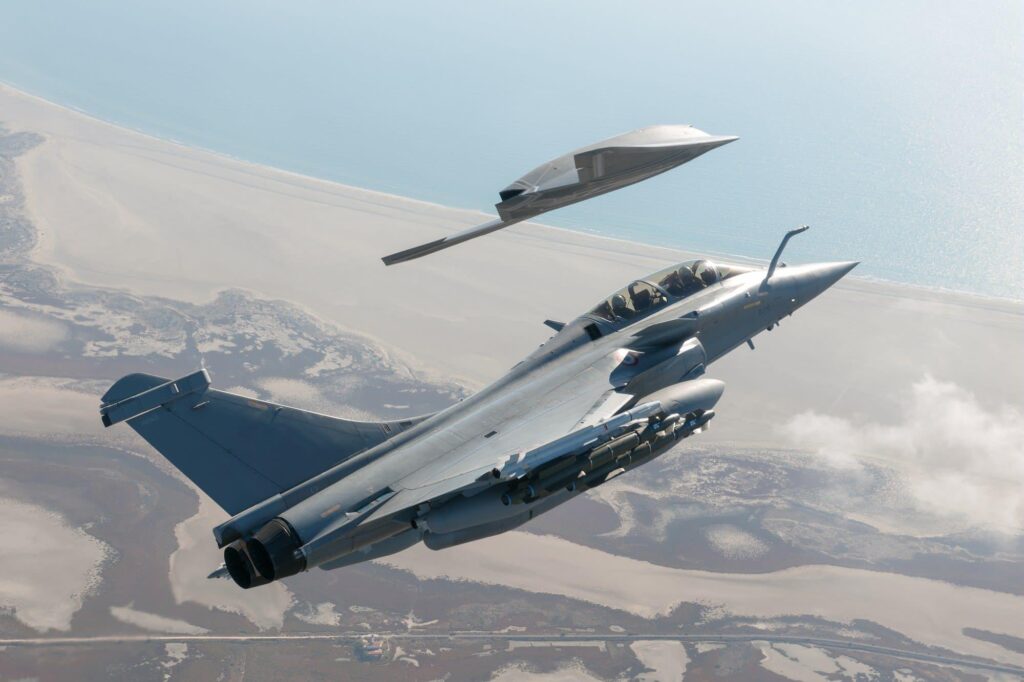
Alternatives: The SAMP/T air defense system (developed by France and Italy) is being promoted as a potential alternative to the U.S. Patriot missile system. The Rafale fighter jet is being proposed as a replacement for countries considering the F-35, such as Portugal, which is looking to replace its aging F-16s. While emphasizing the need for increased production, Macron acknowledged that France’s ability to ramp up Rafale production is constrained by industrial limitations at Dassault Aviation and its suppliers.
Macron called for European countries to pool defense resources and collaborate on military spending. He pointed to the need for joint procurement and greater integration within the European Union to fund defense projects.
Macron highlighted the €800 billion rearmament plan approved by 27 European nations, with €150 billion in loans allocated.
Macron also supported German Chancellor Friedrich Merz’s plan to boost Germany’s defense spending by €100 billion, underlining the importance of European nations meeting their defense obligations.Macron proposed creating a Franco-German debt fund to support defense investments, with discussions set to continue at the upcoming European Council meeting.
This initiative marks a significant push by France to position European defense technologies as a viable alternative to U.S. systems, strengthening Europe’s defense independence. It could also reshape defense procurement strategies in several European countries, particularly those currently reliant on American military hardware. The success of this plan, however, depends on Europe’s ability to overcome industrial constraints and coordinate on defense spending across the region.
© Dassault Aviation
 English
  Greek
Greek