


Greece and Italy Advance FREMM Frigate Acquisition Programme
Implementing Arrangement signed in Rome paves the way for the transfer of two Bergamini-class frigates to the Hellenic Navy
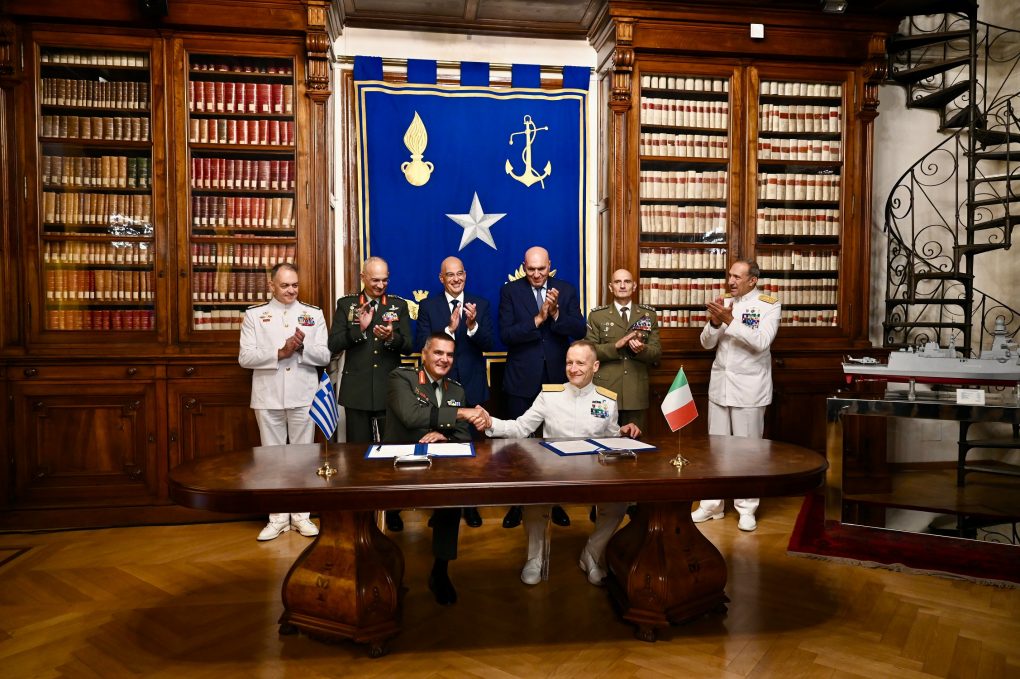
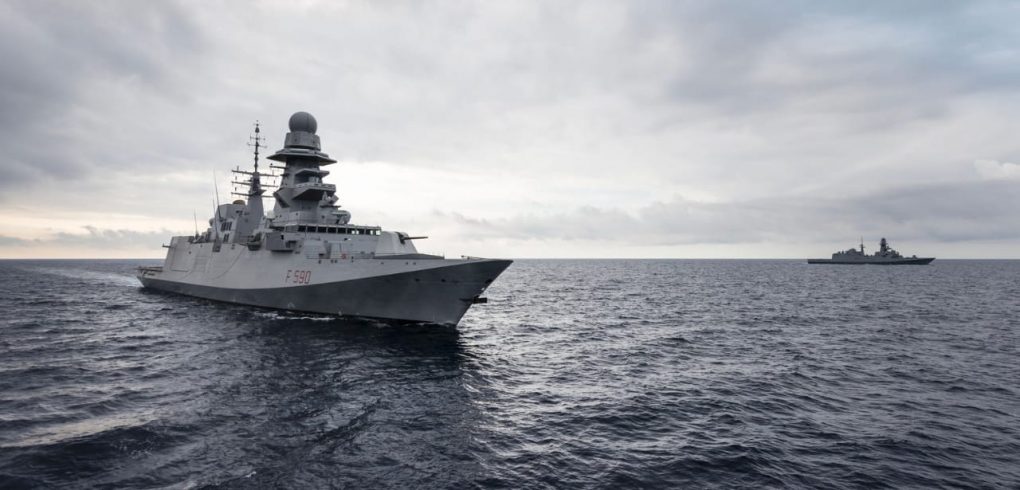
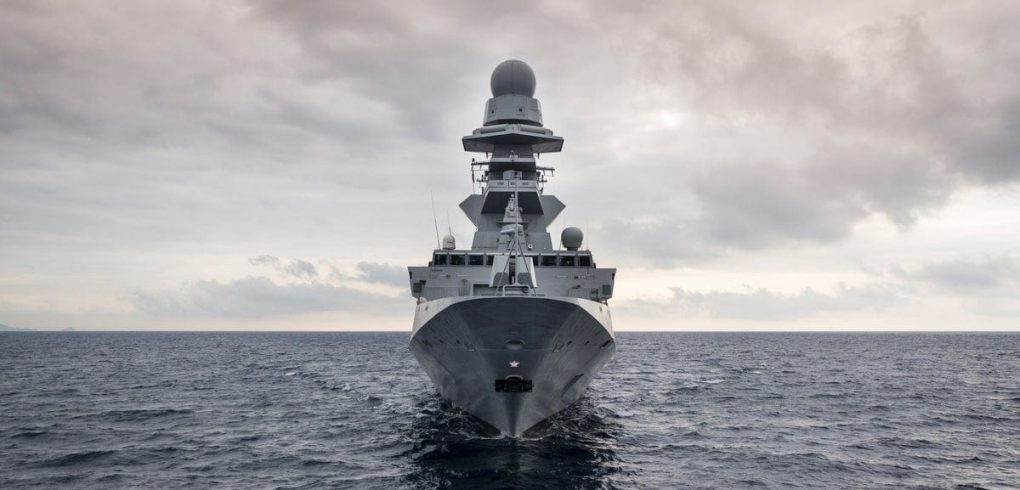
Greece and Italy have taken a decisive step forward in their bilateral defence cooperation with the signing of an Implementing Arrangement for the acquisition of two Italian FREMM frigates by the Hellenic Navy.
The agreement was concluded in Rome on 8 September 2026, following talks between Greek Minister of National Defence Nikos Dendias and his Italian counterpart, Guido Crosetto.
Signed in the presence of the two ministers, the arrangement formally activates the programme for the transfer of two Italian Navy FREMM vessels of the Bergamini class. The document was signed by Greece’s General Director for Defence Investments and Armaments, Major General Ioannis Bouras, and Italy’s National Armaments Director, Vice Admiral Giacinto Ottaviani.
The latest agreement builds on the Memorandum of Understanding and Declaration of Intent signed by Greece and Italy in La Spezia on 29 September 2025. Those documents established the initial framework for closer bilateral cooperation and the prospective acquisition of the Italian frigates.
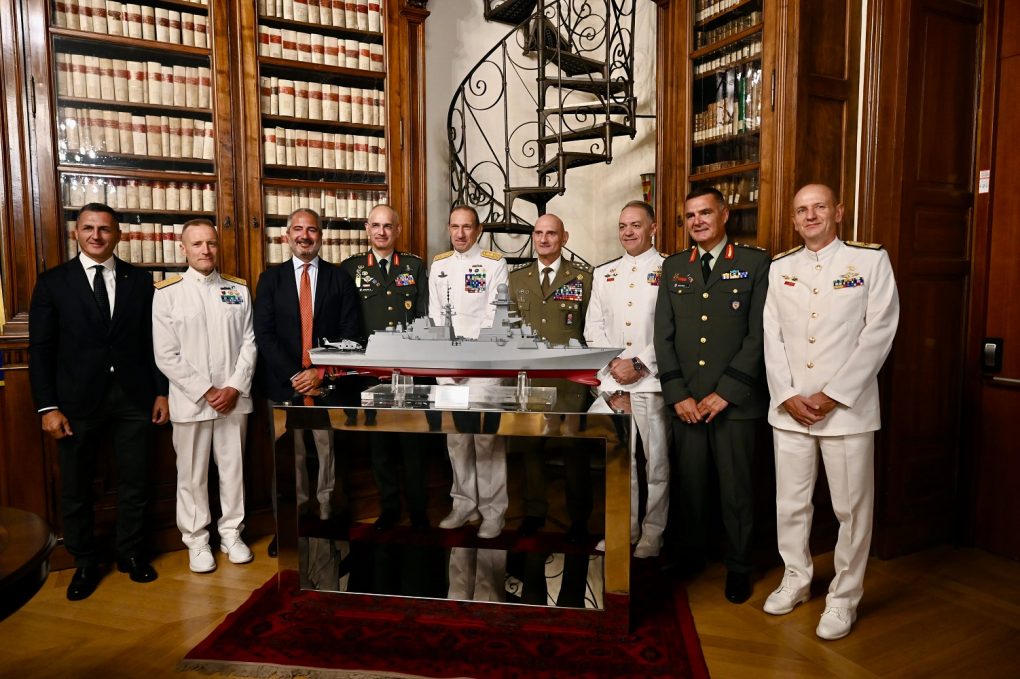
Senior military and diplomatic officials from both countries attended the signing ceremony, including Chief of the Hellenic National Defence General Staff General Dimitrios Choupis, Italian Chief of Defence General Luciano Portolano, Chief of the Hellenic Navy General Staff Vice Admiral Dimitrios-Eleftherios Kataras, Chief of the Italian Navy Admiral Giuseppe Berutti Bergotto, and Greek Ambassador to Italy Eleni Sourani.
First Frigate Expected in 2028
According to Dendias, the frigate Carlo Bergamini is scheduled to be transferred to Greece during the first half of 2028, followed by the Virginio Fasan in the first half of 2029.
The programme, however, extends beyond the simple transfer of two warships. It is intended to deepen operational cooperation between Greece and Italy, enhance the Hellenic Navy’s deterrent capabilities and help adapt the Greek Fleet to the demands of the modern maritime security environment.
Dendias described the FREMM frigates as highly capable platforms and confirmed that discussions are already under way with their manufacturer, Fincantieri, regarding modifications and upgrades to meet Greek operational requirements.
Once integrated into the Hellenic Navy, the FREMM frigates are expected to operate alongside Greece’s new FDI frigates and modernised MEKO 200HN vessels, forming a central component of the future surface fleet.
Option for Two Additional FREMM Frigates
The Greek Defence Minister also confirmed that Athens and Rome are discussing the possible acquisition of two additional FREMM vessels.
Such a development could significantly expand the scope of the programme and further strengthen long-term naval cooperation between the two Mediterranean allies.
Dendias emphasised that Greece and Italy are both major maritime nations with shared strategic interests in the Central and Eastern Mediterranean. Together, the two countries account for approximately 90% of the European Union’s merchant fleet, giving them a particularly important role in protecting maritime routes, ensuring freedom of navigation and safeguarding commercial and energy flows.
This common maritime geography, he noted, creates a shared responsibility for regional security and stability.
Role for Greek Shipyards and Defence Industry
Industrial participation is also expected to become an important part of the programme. Greece is seeking the involvement of its domestic shipyards, defence companies and wider technological ecosystem in the modification, support and future maintenance of the frigates.
This approach is closely linked to the Greek Ministry of National Defence’s Agenda 2030, which seeks to modernise the Armed Forces while ensuring that technical expertise, industrial capacity and economic value remain within the country.
The participation of Greek industry could therefore extend beyond maintenance and logistical support to include the integration of new systems and the long-term technological development of the vessels.
Growing Strategic Alignment
The frigate agreement reflects the broader strategic convergence between Greece and Italy over recent years.
In 2020, the two countries concluded an agreement delimiting their maritime zones in accordance with international law and the United Nations Convention on the Law of the Sea. Five years later, the La Spezia agreements established the framework for expanded bilateral cooperation in defence.
The Implementing Arrangement signed in Rome now turns that political understanding into a concrete naval procurement programme.
Addressing Crosetto at the conclusion of the ceremony, Dendias highlighted the trust, consistency and seriousness that had characterised the negotiations, stating that the commitments made in La Spezia were now being transformed into tangible action.
The acquisition of the two FREMM frigates—and the possibility of adding two more—could mark a major stage in the modernisation of the Hellenic Navy while establishing a stronger and more enduring defence partnership between Athens and Rome.

 English
  Greek
Greek